
A compelling dialogue between a medic and a philosopher about the opportunities and risks associated with combining man and machine – and about its limits.
HOMO EX MACHINA
by Bernd Kleine-Gunk & Stefan Lorenz Sorgner
Goldmann/PRH Germany, June 2023
 Pacemakers, running blades, stem cell research, life-prolonging medicine: these achievements might sound normal, but they are all part of what is called transhumanism. Transhumanism stipulates that humanity’s next evolutionary step will come about through the use of modern science and technology, but many people see it as a dangerous endeavour. They fear that it will dehumanise us, that we’ll become « cyborgised » and open ourselves up to ethically questionable genetic experiments and state-sponsored eugenics.
Medic Kleine-Gunk and philosopher Sorgner dive into the complex world of transhumanism, and dispel some of the myths surrounding it. They introduce the relevant theories and academic disciplines involved in the transhumanist movement, examine its history and critique its opportunities and risks. Among other things, they explain why it’s unrealistic to expect that we’ll be able to digitise our personalities within the next 20 years, and that modern technology doesn’t exceed « natural » humanity: rather, it can serve to improve our lives – but only if we want it to.
Bernd Kleine-Gunk is a professor of medicine and a leading anti-ageing expert. He is the president of the German Society for Preventative and Anti-Aging Medicine, and has published numerous academic and non-academic articles and books on the subject. He is a globally sought-after speaker, and advises several companies and institutions.
Stefan Lorenz Sorgner is a professor of philosophy at the John Cabot University in Rome, director and co-founder of the Beyond Humanism Network, research fellow at the Ewha Womens’ University Institute for the Humanities in Seoul and fellow at the Institute for Ethics and Emerging Technologies think-tank. He is one of the world’s leading post- and trans-humanist philosophers, and has published several monographs and co-authored books.
 Artificial intelligence (AI) has impacted many industries around the world—banking and finance, pharmaceuticals, automotive, medical technology, manufacturing, and retail. But it has only just begun its odyssey toward cheaper, better, and faster predictions that drive strategic business decisions. When prediction is taken to the max, industries transform, and with such transformation comes disruption.
 DESTINY GRIMOIRES VOLUMES I-IV (published 2018 – 2021):
 THE DESTINY COMIC COLLECTION VOL. ONE (July 2019):
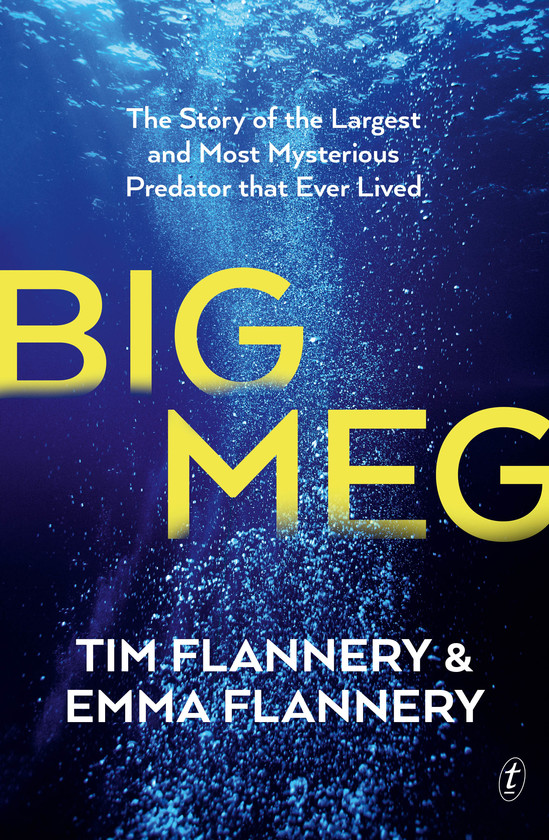 Its name means giant tooth but everything about it is gigantic, including its pull on the human imagination. Tim and Emma Flannery’s BIG MEG
 Why is it so hard to stick with the choices we want to make? We decide to be healthier, but we snack all afternoon. We resolve to prioritize family time, but we end up working late into the evening. Change is hard – even when we really want, or need, to make it. Amid the many competing priorities of our busy lives, it can feel difficult to make the right decisions―ones that feel aligned with the things we care about. In this book, award-winning researcher Emily Falk reveals how we can transform our relationship with the daily choices that define our lives by thinking like a neuroscientist about what we value.