
A vital and propulsive true crime narrative of corruption, injustice, and two young women’s murder in a little-known corner of the American Deep South.
THE WIREGRASS:
A Tale of Murder and Retribution
by Matt Kessler
Grand Central Press, Spring 2026
(via Frances Goldin Literary)
In 1999, in the rural Alabama town of Ozark, high schoolers Tracie Hawlett and J.B. Beasley were found shot in the trunk of their car, weeks before the start of their senior year. The night of their murder remains shrouded in mystery. They were driving between field parties. They were lost. But why were their jeans muddy, soaked to the bone? And what drove someone to kill them?
Twenty years passed, but locals could not forget the girls’ deaths. Suspicions of a police cover-up reached a fever pitch until, out of the blue, a softspoken Black man named Coley McCraney—a long-haul trucker and ordained deacon—was arrested for the crime. The dramatic trial and controversial conviction that followed would tear this small farming community in two.
THE WIREGRASS is an under-documented region of the American Deep South, known for its peanuts. Religiously conservative and historically poor, it stretches from Montgomery, Alabama to Macon, Georgia and south to the Florida Panhandle. Cut off from major highways, effectively run by local law enforcement, it’s a place where America’s fundamental prejudices present themselves without veneer; inequality, violence and racism run bone deep.
A native Alabamian, seasoned journalist, and student of Maggie Nelson and Percival Everett (who gave the book its title), Matt Kessler has spent seven years researching the tangled case of the Beasley-Hawlett murders, attending the trial of Coley McCraney, and gaining the trust of the local community—as well as the ire of local police enforcement.
THE WIREGRASS is an atmospheric and utterly compelling true crime narrative, as interested in the rippling effects of murder on a small, tight-knit community as it is on exposing truth in places that are otherwise forgotten and neglected. Calling to mind the work of Patrick Radden Keefe (Say Nothing, Empire of Pain) and David Grann (Killers of the Flower Moon, The Wager), as well as Michelle McNamara’s legendary I’ll Be Gone in the Dark, this is a thrilling yet profound story of race, class, and the corruption of power.
Matt Kessler is a journalist based in Birmingham, Alabama. His reporting appears in The Guardian and The Atlantic and has been commended by the Mississippi ACLU. His cultural criticism and award-winning short stories have appeared in Pitchfork, Vice, The Rumpus, and the Los Angeles Review of Books, among others. He holds an MFA from the University of Mississippi and is completing a PhD in creative writing and literature at the University of Southern California.
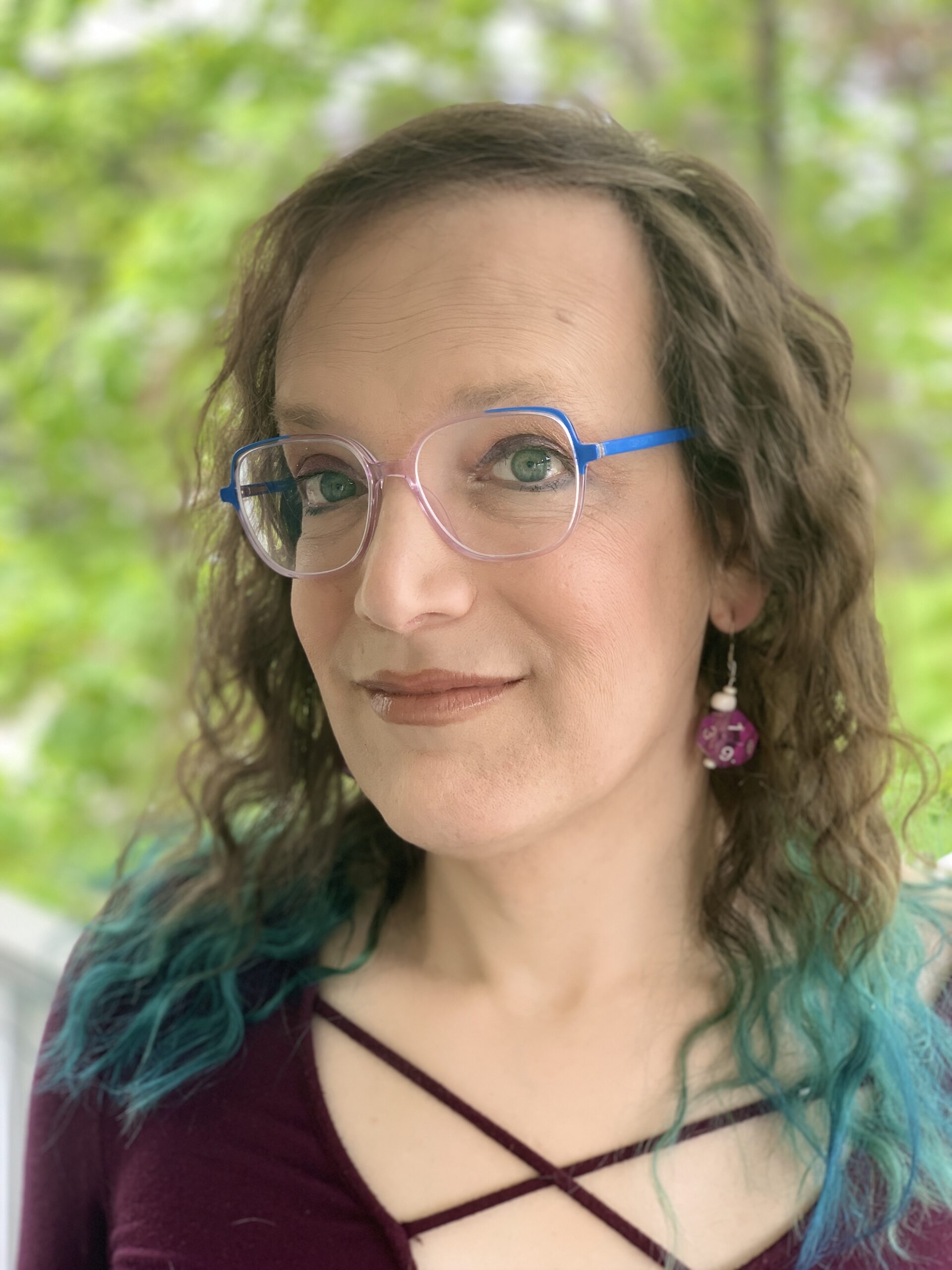 Based on her forthcoming course at Harvard University, the announcement of which received major media coverage from around the world, UNTITLED ON TAYLOR SWIFT will be the first serious work of cultural criticism about Taylor Swift as an artist and creator, touching on girlhood, fame, privilege, costume, economics, song and stagecraft, and the author’s own transition to womanhood. In the vein of Sarah Smarsh’s She Come By It Natural, on Dolly Parton, or Touré’s I Would Die 4 U: Why Prince Became an Icon, Burt’s book will be an appreciation and analysis of one of the most influential pop stars of a generation.
 When Cody Delistraty lost his mother to cancer in his early 20s, he found himself unsure how to move forward. Planning for her recovery, he and his family had a purpose. But after she was gone, there seemed to exist only the empty advice on grief: move through the five stages, achieve closure, get back to work, go back to normal. So begins a journey into the new frontiers of grief, where Delistraty seeks out the researchers, technologists, therapists, marketers, and communities around the world looking to cure the pain of loss in novel ways. From the neuroscience of memory deletion to book prescriptions, laughter therapy, psilocybin, and Breakup Bootcamp, what ultimately emerges is not so much a cure as a fresh understanding of what living with grief truly means.