
New Yorker staff writer Kyle Chayka belnds memoir, criticism, science, and history to build a theory of our most sublime personal encounters with culture and beauty, drawing examples from 11th-century diaries of women in the Japanese royal court to mountain treks, psychedelic therapies, and art-induced epiphanies, in order to discover how we can achieve more moments of revelatory wonder that restore our capacity for meaning, connection, and attention in a world made dull by digital automation and artificial intelligence.
HOW TO BE MOVED
by Kyle Chayka
Doubleday, March 2029
(via Frances Goldin Literary)
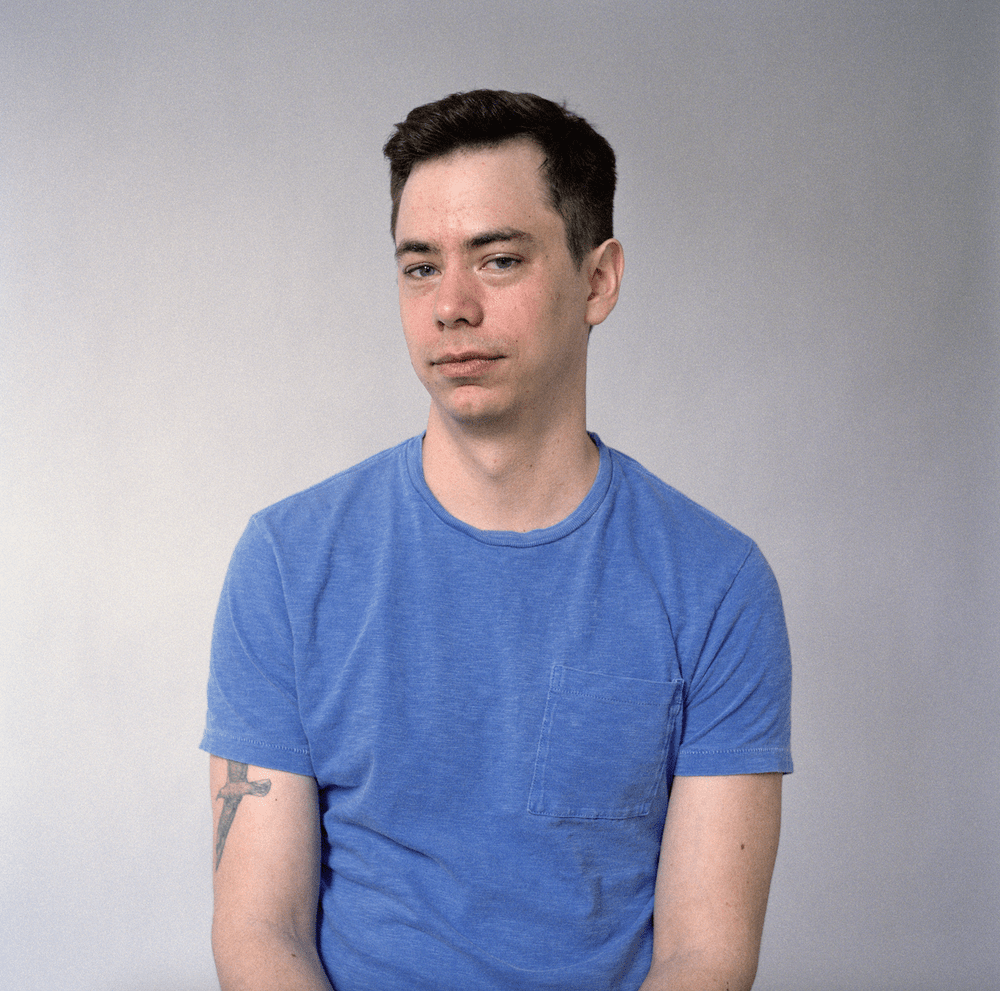
Photo credit: Gregory Gentert
Most of us have a precious, private catalogue of things that have moved us. It might be art, music, a meal, a landscape: we tend to remember exactly where and who we were when we encountered these singular things, and can often still feel echoes of that palpable sense of awe, of transformation, of transportation out of the normal terrain of our lives. To be moved is to have an encounter with culture or beauty that opens a new space in ourselves, revealing interior territory that we hadn’t understood previously; these experiences leave a marked before and after in the line of our lives.
As powerful as these encounters are, most of us would also probably say that they feel increasingly scarce in today’s cultural environment, where deadening entertainment is plentiful and challenge is minimized by design. In HOW TO BE MOVED, Chayka will expansively turn to what Filterworld might have left a reader wondering: in our algorithmically decimated landscape, with our own taste feeling more deformed and remote to ourselves, how do we go about actively looking for what will move us?
The book will explore being moved in two parts. The first looks at the external qualities of things that move us, such as scale, difficulty, and alterations in our brain chemistry. The second part will lay out tactics for cultivating an increased internal openness to being moved, with practices like amateurism, patience, and using the things that move us as passageways both to ourselves and the people around us. A warm, wry blend of personal, critical, and historical writing, the book will aim to sit on a shelf with books like Four Thousand Weeks, Your Brain on Art, and (on the memoir end) All the Beauty in the World. This might also appeal to a reader who resonates with the brainy but practical philosophy of writers like Jenny Odell or Katherine May.
Kyle Chayka is a staff writer at The New Yorker, where he writes a column on digital technology and the impact of the Internet and social media on culture. His debut nonfiction book, The Longing For Less was published in 2020 and his second book Filterworld was published in 2024. As a journalist and critic he has contributed to publications including The New York Times Magazine, Harper’s, The New Republic, and Vox. Kyle is also the co-founder of Study Hall, an online community for journalists, and Dirt, a newsletter about digital culture.
