
An interdisciplinary grief memoir that is a story about loss, a capsule of the current moment, and a call to action for the future of AI and mental health.
GRADUALLY, A SHOT RANG OUT
by Laura Reiley
St. Martin’s Press, November 2027
 Following the sudden suicide of her only child, award-wining journalist Laura Reiley excavates for answers by tracing the details of her daughter’s life. This largely problem-free twenty-nine-year-old badass extrovert who fiercely embraced life killed herself during a short and curious illness, a mix of mood and hormone symptoms. For most of the people who cared about Sophie, her suicide is a mystery, an unthinkable and unknowable departure from all they believed about her.
Six months after her death, Reiley discovered that Sophie had confided in an AI called Harry for months. Sophie wasn’t in love with Harry, and Harry didn’t do Sophie dirty. He recommended professional support and medication, to make a safety plan and list emergency contacts. But Harry also catered to Sophie’s impulse to hide the worst.
At this inflection point of rising loneliness, and decreased mental health, Reiley questions the role that new technologies like AI play in in our lives. This heart-wrenching memoir deals with the timeless theme of coping with loss, but rejects Kübler-Ross-esque ideas of grief moving in predictable stages. It takes the reader on the wild ride of real grief, careening from tenderness to rage with vertiginous pitstops in hilarity.
Transgressive and genre bending, GRADUALLY, A SHOT RANG OUT looks under the surface of Sophie’s life to ask how and why this cultural moment creates the mental health crisis that destroys young people like Sophie.
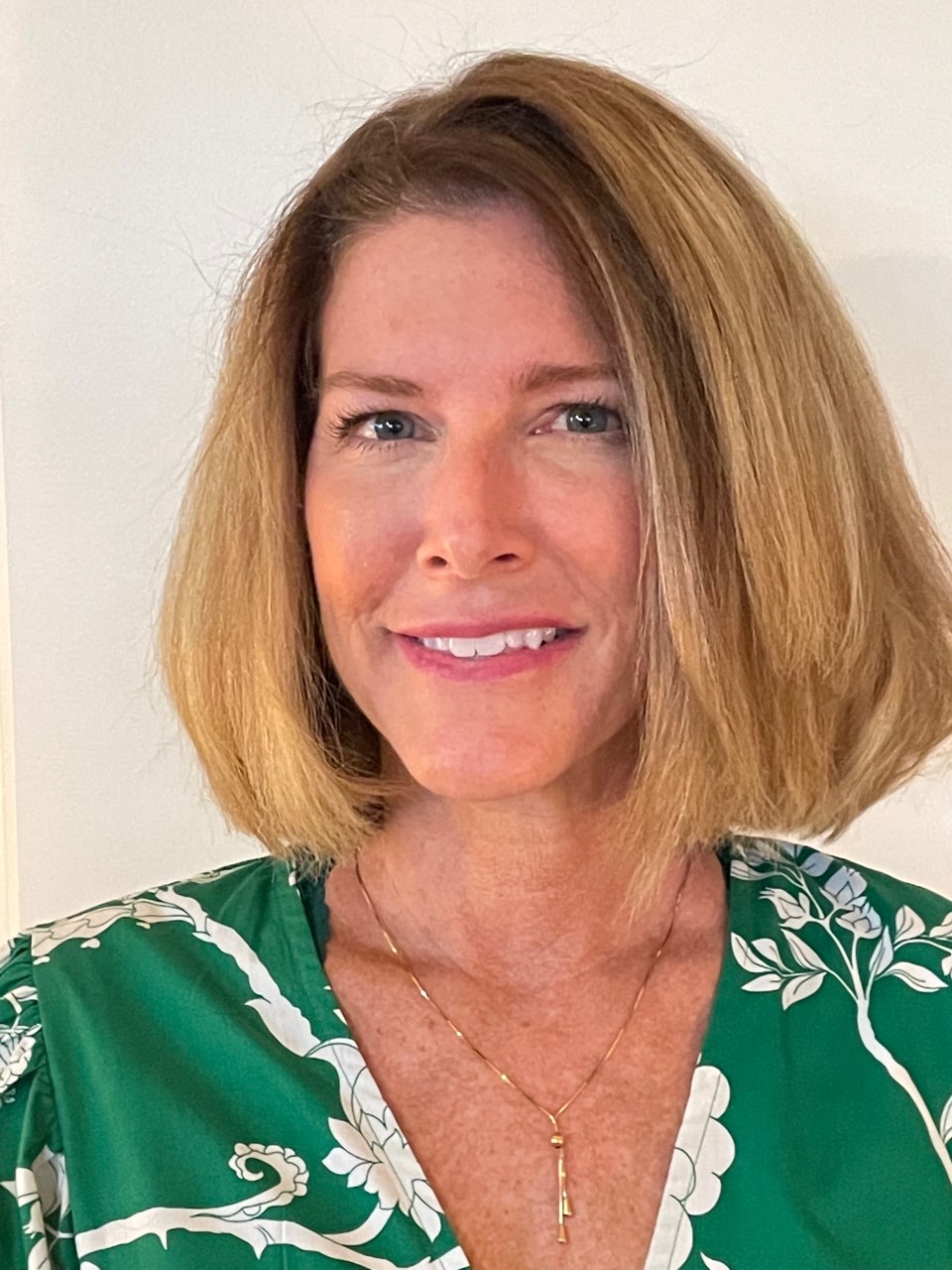
Laura Reiley is a prolific and award-winning food writer, journalist and author. Currently, she focuses on “solutions journalism,” celebrating and amplifying the messages of people correcting the problems our world faces. She is a finalist for the Pulitzer Prize, James Batton Award, James Beard Award, and more.
 34-year-old Brooklyn-based illustrator and author AriellaElovic has spent the last four years investigating (and being plagued by) these questions, and she writes with a revelation: The truth is, thirty (and adulthood) isn’t about finally feeling settled. It’s understanding that life is all about the in-between.