
Kate Grenville’s return to the territory of The Secret River is historical fiction turned inside out, a stunning sleight of hand by one of Australia’s most original writers.
A ROOM MADE OF LEAVES
by Kate Grenville
Text Publishing, July 2020 (voir catalogue)
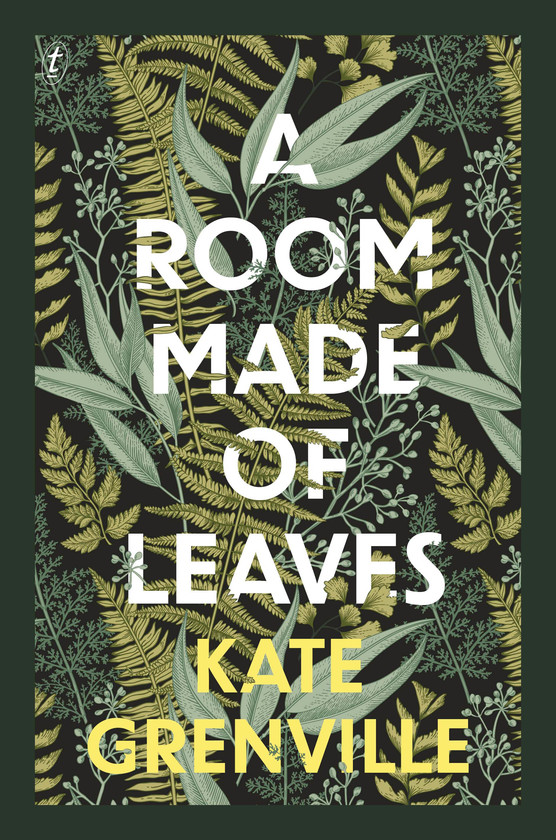 What if Elizabeth Macarthur—wife of the notorious John Macarthur, wool baron in the earliest days of Sydney—had written a shockingly frank secret memoir? And what if novelist Kate Grenville had miraculously found and published it? That’s the starting point for A Room Made of Leaves, a playful dance of possibilities between the real and the invented.
Marriage to a ruthless bully, the impulses of her heart, the search for power in a society that gave women none: this Elizabeth Macarthur manages her complicated life with spirit and passion, cunning and sly wit. Her memoir lets us hear—at last!—what one of those seemingly demure women from history might really have thought. At the centre of A Room Made of Leaves is one of the most toxic issues of our own age: the seductive appeal of false stories. This book may be set in the past, but it’s just as much about the present, where secrets and lies have the dangerous power to shape reality.
Kate Grenville is one of Australia’s most celebrated writers. Her international bestseller The Secret River was awarded local and overseas prizes, has been adapted for the stage and as an acclaimed television miniseries, and is now a much-loved classic. Grenville’s other novels include Sarah Thornhill, The Lieutenant, Dark Places and the Orange Prize winner The Idea of Perfection. In 2017 Grenville was awarded the Australia Council Award for Lifetime Achievement in Literature. She lives in Melbourne.
 Jana Beil has learned that life rarely provides moments of joy. Indeed, all of Amsterdam in 1616 is less concerned with happiness than with maintaining appearances. But when she begins working as a servant for the wealthy and kind Reynst family, she finds some peace and begins to secretly fall in love with Sontja, the beautiful daughter of the house. However, when Master Reynst loses his fortune through a bad investment with the VOC (the Dutch version of the East India Company), everything changes. Unable to afford her wage, the Reynsts’ let Jana go and she is back on the street again, desperately searching for work. Sontja, too, looks for ways to make enough money to get by, but when her father drinks himself to death, their house is sold to debtors, leaving both girls without a future. With no other choice, Sontja becomes a Company Daughter and sails to the colonial outpost of Batavia to marry a Dutch settler. Unable to envision a life without her, Jana also signs up for the voyage. The two embark on a lengthy, dangerous journey to Batavia, which will end with weddings to miserable old men — not the young, strapping soldiers they were promised. Despite all the hardships, Jana’s life slowly fills with wonder, beauty, and love as she sheds the resignation of her old life to finally reach out for what she truly wants.
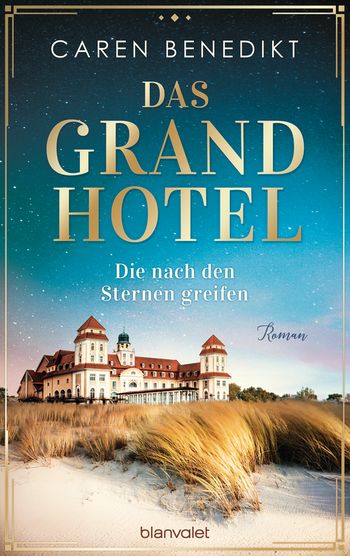 Rügen 1924. There it is on the promenade of Binz, white and magnificent – the impressive Grand Hotel belonging to the von Plesow family. A lot has happened here, and things have not always been easy, but Bernadette is proud of her hotel, the best in town. It was here that she brought up her children: the quiet Alexander, who one day will inherit the Grand Hotel; Josephine, the rebellious artist who is still trying to find her place in life; Constantin, always on the go, who already has his own hotel in Berlin, the Astor. Things could hardly be better. Of course, there is the odd quarrel with her daughter, and something seems to be not quite right with the otherwise cheerful maid Marie – but all this is nothing compared to what the unannounced visit of a man could lead to who threatens Bernadette he will disclose her darkest secret …
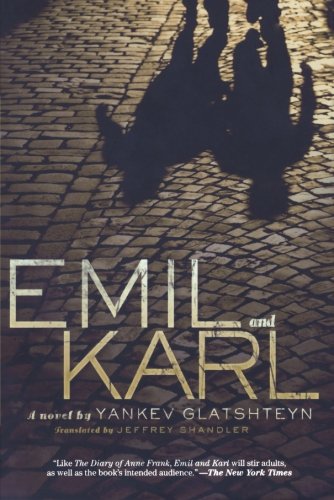 Originally published before the war in 1938 and the full revelations of the Third Reich’s persecution of Jews and other civilians, the book offers a fascinating look at life during this period and the moral challenges people faced under Nazism. It is also a taut, gripping, page-turner of the first order. Written in the form of a suspense novel,
 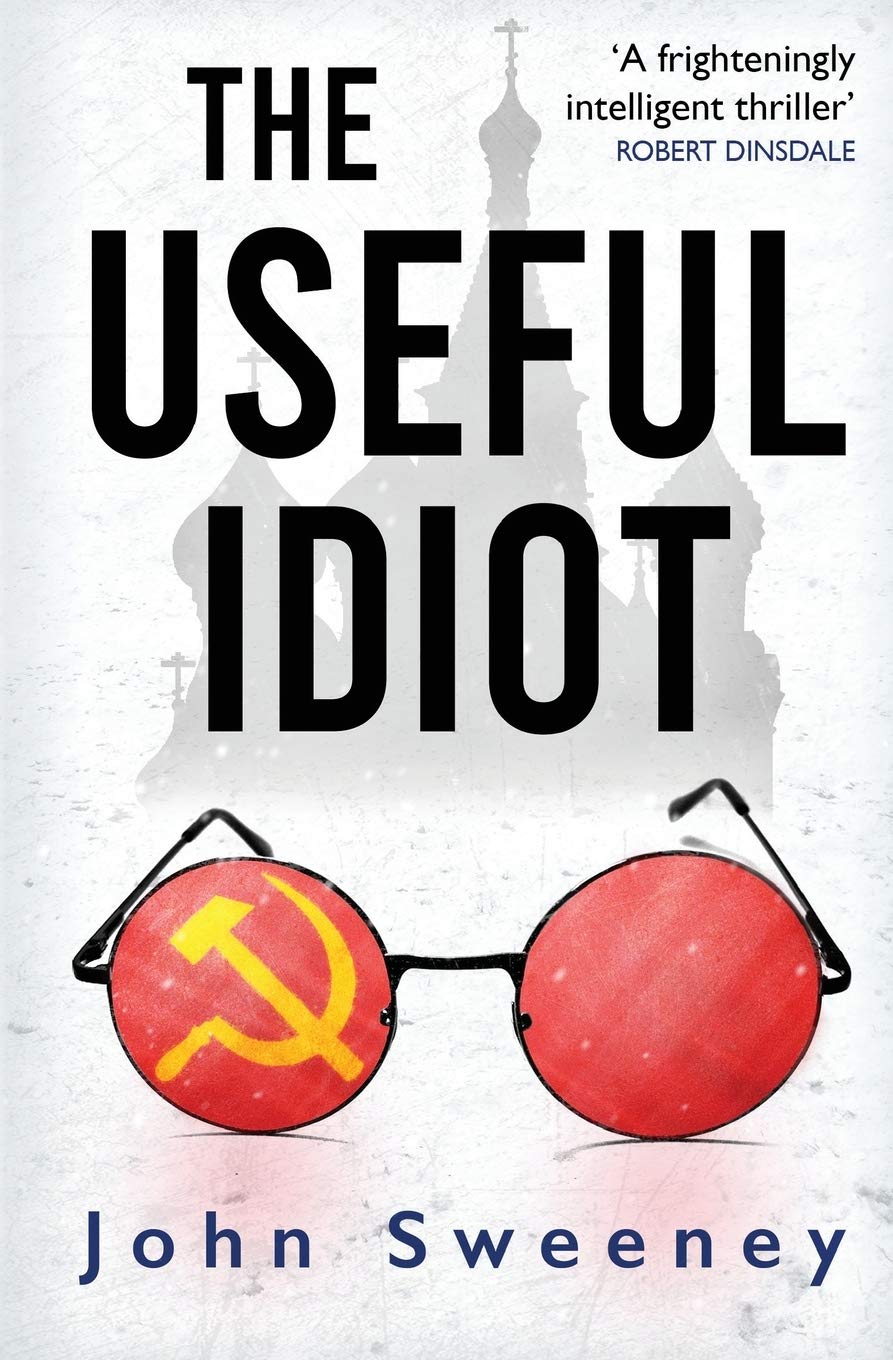 Moscow, 1932. Gareth Jones, a young Welsh reporter, arrives in the Soviet Union excited to see for himself how Josef Stalin is forging a new civilisation. He meets American and British journalists who acclaim Stalin’s great experiment—but when Jones witnesses people starving to death in Ukraine, his belief in the Soviet revolution is shattered. He must decide whether to report the truth or become just another useful idiot, saying only what the Communist secret police allow and smothering the evidence of his own eyes. In this special kind of hell, anyone could be an informer, and Jones knows his life will be at risk if he is even thought to be defying Stalin. And when the woman he loves falls under the suspicion of the secret police, everything Jones values is in danger. Can he reveal the terrible truth about the Ukrainian famine to the world, or will he be silenced forever?