
Set in 1999 Japan, SATELLITE LOVE is a heartbreaking and beautifully unconventional debut novel about a girl, a boy, and a satellite—and a bittersweet meditation on loneliness, alienation, and what it means to be human.
SATELLITE LOVE
by Genki Ferguson
McClelland & Stewart/PRH Canada, March 2021
(chez The Friedrich Agency – voir catalogue)
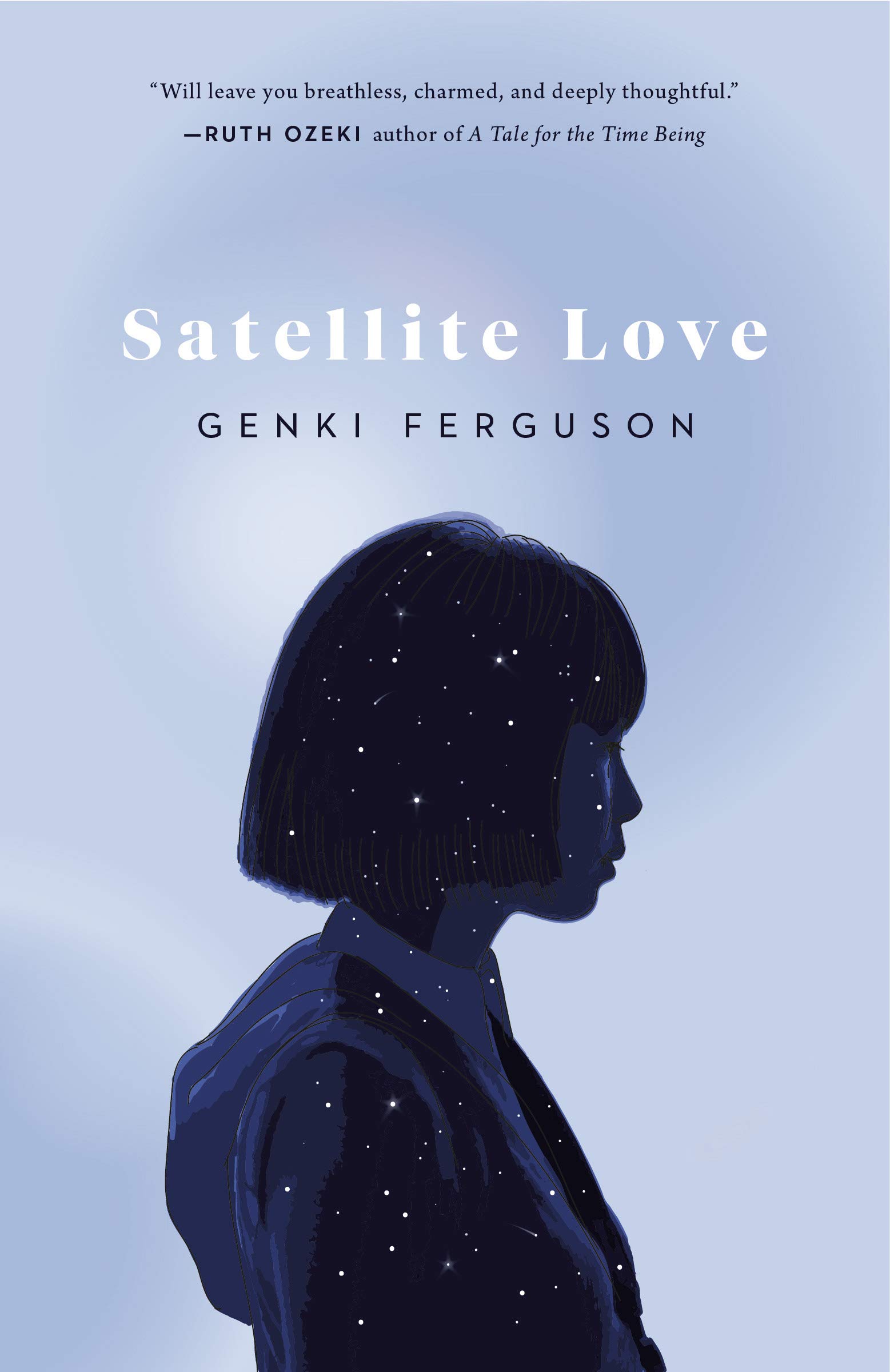 Anna Obata is a biracial teenager living in economically depressed Southern Japan just before the millennium. Left to fend for herself (and to look after her increasingly senile Grandfather) Anna copes with her devastating loneliness by calling upon her strongest inner resource: imagination. This is the story of girl who falls in love with a satellite, yes—but it is also the story of how the human mind attempts to repair itself, no matter the cost, no matter the odds. Told in alternating perspectives by Anna, the satellite, and several others, SATELLITE LOVE is exquisitely strange and refreshingly unconventional.
Genki Ferguson was born in New Brunswick, Canada to a family of authors (his father is author Will Ferguson), and grew up reading Murakami. He spent much of his childhood in the subtropical island of Kyushu, Japan, where his mother’s family still resides. Fluent in Japanese and capable of making a decent sushi roll, Genki was also the recipient of the 2017 Helen Pitt Award for visual arts and is finishing a degree in Film Production, while working part-time at Book Warehouse, an indie store in Vancouver.
 How do you begin a future that has essentially already ended, separated from your home, your language and yourself by a stretch of water? Kurt Schwitters is forty-nine years old when the Nazis force him to flee Germany. His success, work, possessions, parents, and wife Helma stay behind – and art gives way to the art of survival. Schwitters’s second life in a foreign language begins in Norway, then takes him to London and finally to the Lake District. Wantee, the new woman at his side, keeps him on course and his head above water, even when the word artist falls silent. With his Merzbau installation, Schwitters has discovered a new way to capture sky and serenity, shimmering meadows and transparent air. He is ludicrously disciplined, to the point of exhaustion. As we watch him at work, we learn that art doesn’t interpret the world: It translates it into forms that move us. In SCHWITTERS, Ulrike Draesner follows the writer and artist Kurt Schwitters into exile, giving voice to Kurt, his wife, his son and his lover. Through a virtuoso blend of fact and fiction, she has created a panorama of a time when the struggle for freedom and art was renewed in the face of a world on fire.
 Martin, a market analyst, and Lily, a corporate attorney, have a life that many would envy―they share an expensive New York apartment with their twin toddlers, sample the delicacies of Manhattan’s finest restaurants, and take Caribbean vacations. But when the couple’s nanny announces her imminent departure, they panic: how will they ever find a replacement capable of managing their spirited boys? Enter Maeve, a young Irish émigré. Neither of them imagines how indispensable she will become, either to the household or to their marriage. As the family’s domestic bliss takes an unexpected turn, a different type of intimacy evolves, leading to an explosive finale.
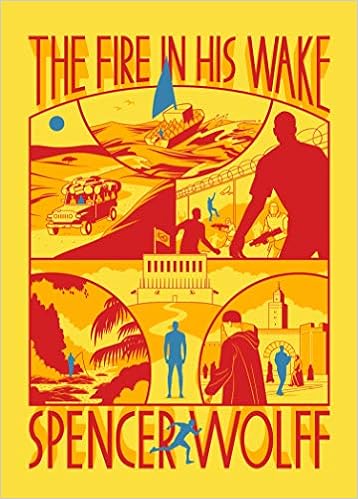 THE FIRE IN HIS WAKE recounts the journey of Arès Sbigzenou, a Congolese refugee left for dead in the wake of ethnic violence. Arès’ fate, like the fate of millions, sends him on a kinetic flight across northern Africa with Europe as his goal. He reaches Rabat, Morocco, where he binds himself to a desperate community of exiles, and meets Simon, a young UN worker, whose journey is altogether different but no less fraught. While Arès struggles to rebuild his life and come to terms with his past, Simon grapples with the moral compromises inherent in his profession and position. Part sweeping portrait of life in the Maghreb, part epic tale of hope and perseverance, THE FIRE IN HIS WAKE carries the reader from the administrative reckonings of the UN staff to the daily hazards faced by the refugees in the streets and on their risky crossings to Europe. When a storm gathers at the UNHCR, and the ghosts of the Congo’s violence unexpectedly surface in Rabat, the two men find themselves on a collision course, setting the stage for the novel’s unforgettable and genre-busting ending.
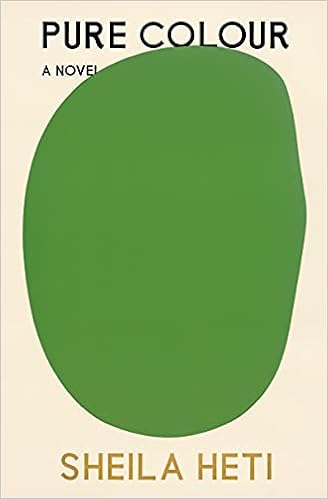 The world is failing to remain a world. It is coming apart. The ice cubes are melting. Species are dying. People, too―of different things. But what if this world is just a first draft, made by some great artist in order to be destroyed? In this first draft of the world, a woman named Mira leaves home to study. There, she meets Annie, whose tremendous power opens Mira’s chest like a portal―to what, she doesn’t know. When Mira is older, her beloved father dies, and his spirit passes into her. Together, they become a leaf on a tree. But photosynthesis gets boring and being alive is a problem that cannot be solved, even by a leaf. Eventually, Mira must remember the human world she’s left behind, including Annie, and choose whether or not to return.