The Secret History meets Ready Player One in #1 bestselling author Ava Reid’s brand new, thrilling alternate-future duology, where four teens are recruited to a century-long, virtual Cold War until they discover the truth and decide to fight back.
WINTERVEIL
by Ava Reid
HarperCollins, September 2026
(via Sterling Lord)
 The top students at Valeran Academy should be in jail. Instead, they were offered a way out: enroll and pledge themselves to the nation. In their alternate future where the Cold War still rages, America needs patriots—don’t call them spies.
In the halls of America’s most covert military academy, all that matters is who is number one. Four students rise to the top: Julian, the politician; Klaudia, strategist; Nadiya, the soldier; and Giselle, the beauty queen with a secret that could change everything.
As they compete for the top ranking that would free them from their gilded cage, the four feel strangely drawn together. Underneath every rivalry lurks a desperate yearning, bringing the strongest of them down to their knees.
Too soon, they’re ripped from the safe walls of their school and recruited for a mysterious training mission that their elusive headmaster tells them is only a simulation. But the four teens quickly realize that they are merely pawns, designed to play off of each other in a dangerous game. Even their blossoming feelings will be used against them in this game of war.
To win, they will have to question everything: each other, themselves, even their very understanding of reality.
It was only supposed to be a game. But now lives and hearts are on the line. Are you brave enough to play?
“It’s a tense, fast-paced race to a cliff-hanger of a conclusion to this duology starter. Each character is easy to root for and immaculately rendered as sympathetic, despite distinct flaws. An absolute must-read for dystopian readers and history enthusiasts alike.” – Booklist Reviews (starred review)
“Reid is well regarded for her lyrical writing and nuanced characters; here she paints a vivid portrait of a world fallen to climate change and capitalism, juxtaposed against the ways love is redemptive. VERDICT A dark dystopian novel for readers craving something more mature than The Hunger Games. Perfect for high school collections.” – School Library Journal (starred review)
“A dark and gripping feminist tale.” – Kirkus Reviews
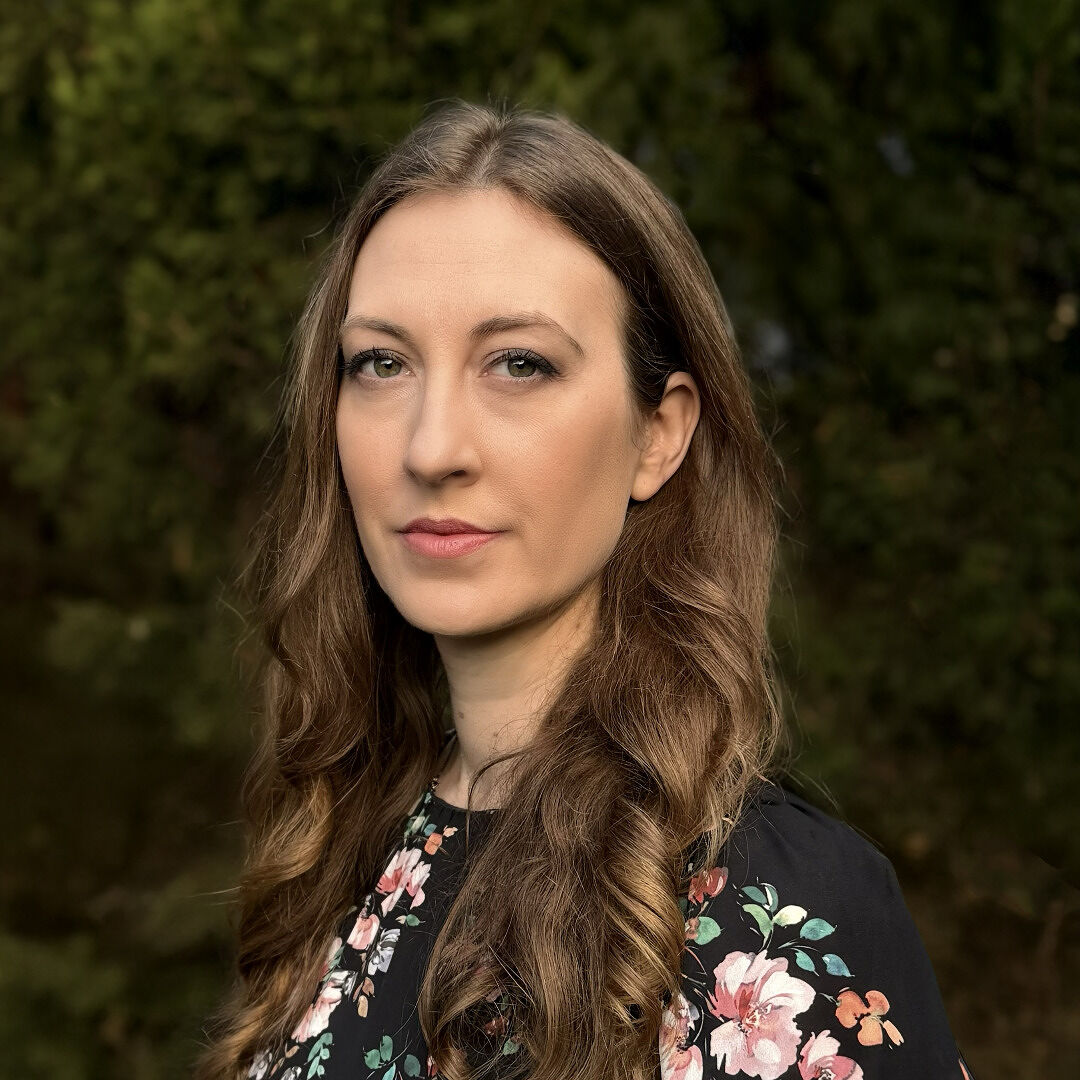
Ava Reid is the #1 New York Times bestselling author of A Study in Drowning, A Theory of Dreaming, Lady Macbeth, Juniper & Thorn, and The Wolf and the Woodsman. Her books have been published in over fourteen territories. She lives in the New York area. Follow her on Instagram @avasreid and find her online at tumblr.com/avasreid.

 Cursed 200 years ago by the boy she once loved, Dahlia sustains an endless half-life by ingesting the blood of others. She’s hunted across the land by a band of ruthless trackers, hellbent on ending her long life. The only way for Dahlia to break her curse is to reopen her ice-cold heart to the possibility of love, even if the man she’s falling for is the son of the head of the hunters—the last person she killed.
 For over 40 years, climate change has dominated the headlines—and yet, meaningful action remains out of reach. We’re told it’s the system’s fault, that our choices don’t matter, and in the same breath, that none of us are doing enough. No wonder so many—especially the young—feel paralyzed and hopeless. What’s missing isn’t passion: it’s an understanding of how people actually work. In
  When we meet Leila, her husband Meir has just flown her from their small Palestinian village to France to tell her he is not who she believes him to be. He is a spy—and has been from the moment they met.