
A very timely book that makes for not just a relevant comparison to our current moment, but also simply fascinating reading by a renowned epidemiologist.
TEN PLAGUES:
An Untold Story of Human Pandemics and Why They Still Plague Us
by Dr. John Froude & Bob Berman
Benbella, January 2021
In 1918, in just under a year, 50 million people worldwide died from influenza. In the twentieth century alone, 400 million people died from smallpox, tuberculosis and AIDS. That’s sixteen times more than all the soldiers killed in every human war, combined. Pandemics historically occur at the rate of two new ones per century. And often times, the plagues we may have not yet seen will arise as AIDS did, with little or no warning. These catastrophes deserve serious attention. This book re-examines these global cataclysms in a new way, with DNA research and with technologies which allow us to consider the importance of plagues in human history, their effects, why we have them, how they arise, and how they have been misunderstood. It also explores our intimate relationship with the primary cause of plagues, the tiny creatures that kill us by the millions. TEN PLAGUES covers the origins, histories, and cultural impacts of yellow fever, smallpox, syphilis, bubonic plague, influenza, typhus, cholera, malaria, tuberculosis, AIDS, and more. The story of each is interspersed with chapters that explore the science and the quirky, often astonishing facts behind these universal threats. The authors started writing before the onset of COVID-19, but the incredible timing makes this book a significant resource for readers trying to learn not just how things got this way, but also what history might be able to tell us about what the future holds.
John Froude, MD FRCP is board certified not just as a Doctor of Internal medicine but also as an expert in Infectious Diseases. He has taught lectures on epidemiology and medicine as an Assistant Professor at NYU and continues practicing in upstate New York.
Bob Berman is the bestselling author of several significant works like Earth-Shattering: Violent Supernovas, Galactic Explosions, Biological Mayhem, Nuclear Meltdowns, and Other Hazards to Live in Our Universe. He is also known for having co-written (with Robert Lanza) Biocentrism, Beyond Biocentrism, and The Grand Biocentric Design, among other published works.
 In WHATEVER WORKS, Thalma Lobel, one of the world’s leading experts on human behavior, explores groundbreaking psychological research on job performance, satisfaction, and creativity. Lobel goes beyond obvious considerations like salary, title, and company culture to shed light on the hidden factors-often unrecognized, counterintuitive, or invisible-that have profound effects on how well we can do our jobs and how happy we are at work. Did you know that just doodling in a certain way can increase your creativity? That looking at something green for forty seconds will improve your attention? That crossing your legs similarly to an interviewer could get you the job? That the mere presence of a smartphone on your desk can lessen your performance, even if it’s turned off? That being in a warmer room makes you more likely to want to conform with the group, affecting your decision-making? These are the invisible factors that nudge our behavior on a daily basis, and combined, have a real and significant bearing on our success—or failure—at work. Helpful for anyone from individual employees to managers to leaders of large organizations, WHATEVER WORKS shares valuable insights and practical takeaways to transform your professional life.
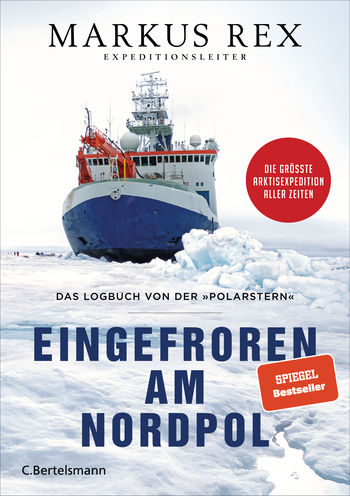 On the 20th September 2019 began the largest polar expedition of all time: The research vessel RV Polarstern set off from the port of Tromsø, Norway, to be frozen to the ice of the North Pole. Scientists from 20 countries have boarded to research the consequences of climate change for one whole year. Markus Rex, the head of this research expedition called MOSAiC, recounts in his book the story of this unique endeavour. He tells of everyday life in the extreme environment of the Arctic, of the challenges in terms of logistics and planning, and of the scientific findings that the researchers were able to gather. EINGEFROREN AM NORDPOL is not only the story of the largest research adventure ever but at the same time a vivid insight into the dramatic consequences of climate change.
 Cornel West is at the forefront of thinking about race. First published in 1993, on the one-year anniversary of the Los Angeles riots, RACE MATTERS became a national best seller that has gone on to sell more than half a million copies. West addresses a range of issues, from the crisis in black leadership and the myths surrounding black sexuality to affirmative action, the new black conservatism, and the strained relations between Jews and African Americans. He never hesitates to confront the prejudices of all his readers or wavers in his insistence that they share a common destiny. Bold in its thought and written with a redemptive passion grounded in the tradition of the African-American church, RACE MATTERS is a book that is at once challenging and deeply healing.
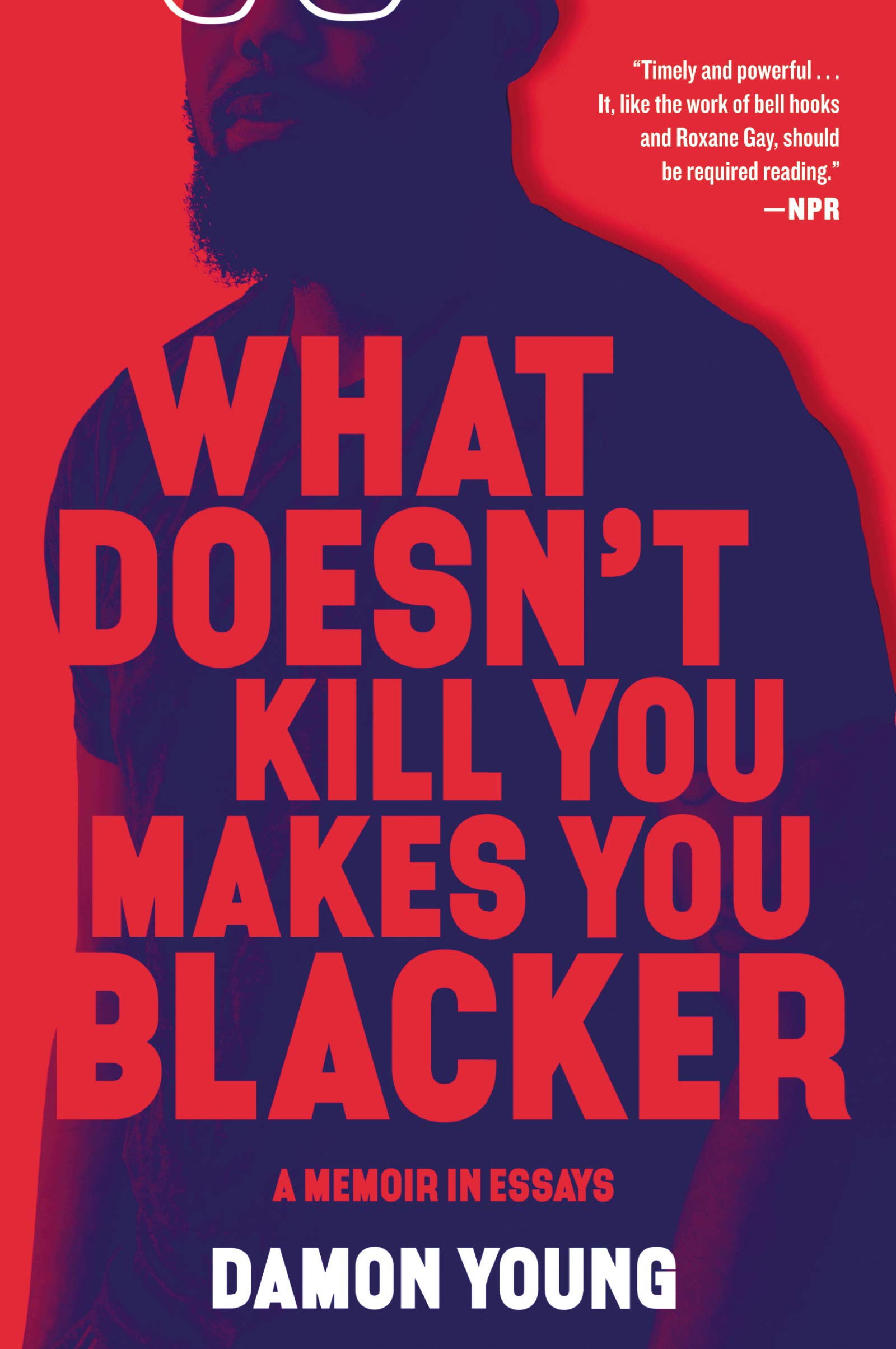 For Damon Young, existing while Black is an extreme sport. The act of possessing black skin while searching for space to breathe in America is enough to induce a ceaseless state of angst where questions such as “How should I react here, as a professional black person?” and “Will this white person’s potato salad kill me?” are forever relevant. WHAT DOESN’T KILL YOU MAKES YOU BLACKER chronicles Young’s efforts to survive while battling and making sense of the various neuroses his country has given him. It’s a condition that’s sometimes stretched to absurd limits, provoking the angst that made him question if he was any good at the “being straight” thing, as if his sexual orientation was something he could practice and get better at, like a crossover dribble move or knitting; creating the farce where, as a teen, he wished for a white person to call him a racial slur just so he could fight him and have a great story about it; and generating the surreality of watching gentrification transform his Pittsburgh neighborhood from predominantly Black to “Portlandia . . . but with Pierogies.” And, at its most devastating, it provides him reason to believe that his mother would be alive today if she were white. From one of our most respected cultural observers, WHAT DOESN’T KILL YOU MAKES YOU BLACKER is a hilarious and honest debut that is both a celebration of the idiosyncrasies and distinctions of Blackness and a critique of white supremacy and how we define masculinity.