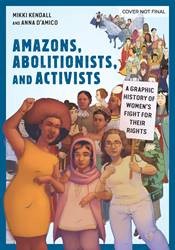
The fascinating story of the forgotten woman who pioneered forensic science
18 TINY DEATHS: The Untold Story of Frances Glessner Lee and the Invention of Modern Forensics
by Bruce Goldfarb
Sourcebooks, February 2020
As World War II rages across the Atlantic, Frances Glessner Lee stands at the front of a wood-paneled classroom within Harvard Medical School and addresses the young men attending her seminar on the developing field of forensic science. A grandmother without a college degree, Lee may appear better suited for a life of knitting than of investigation of unexpected death. Her colleagues and students, however, know her to be an extremely intelligent and exacting researcher and teacher—the perfect candidate, despite her gender, to push the scientific investigation of unexpected death out of the dark confines of centuries-old techniques and into the light of the modern day.
Lee’s decades-long obsession with advancing the discipline of forensic science was a battle from the very beginning. In a time when many prestigious medical schools were closed to female students and young women were discouraged from entering any kind of scientific profession, Lee used her powerful social skills, family wealth, and uncompromising dedication to revolutionize a field that was usually political, often corrupt, and always deeply rooted in the primal human fear of death.
18 Tiny Deaths transports the reader back in time and tells the story of how one woman, who should never have even been allowed into the classrooms she ended up teaching in, changed the face of science forever.
 Babies truly are miracles in learning: Sebastian Berger introduces us to the fascinating world of early infant learning, describes the development in the brain areas that enable learning, and gives insights into the respective cognitive research. He shows that babies not only learn much faster than adults, but
 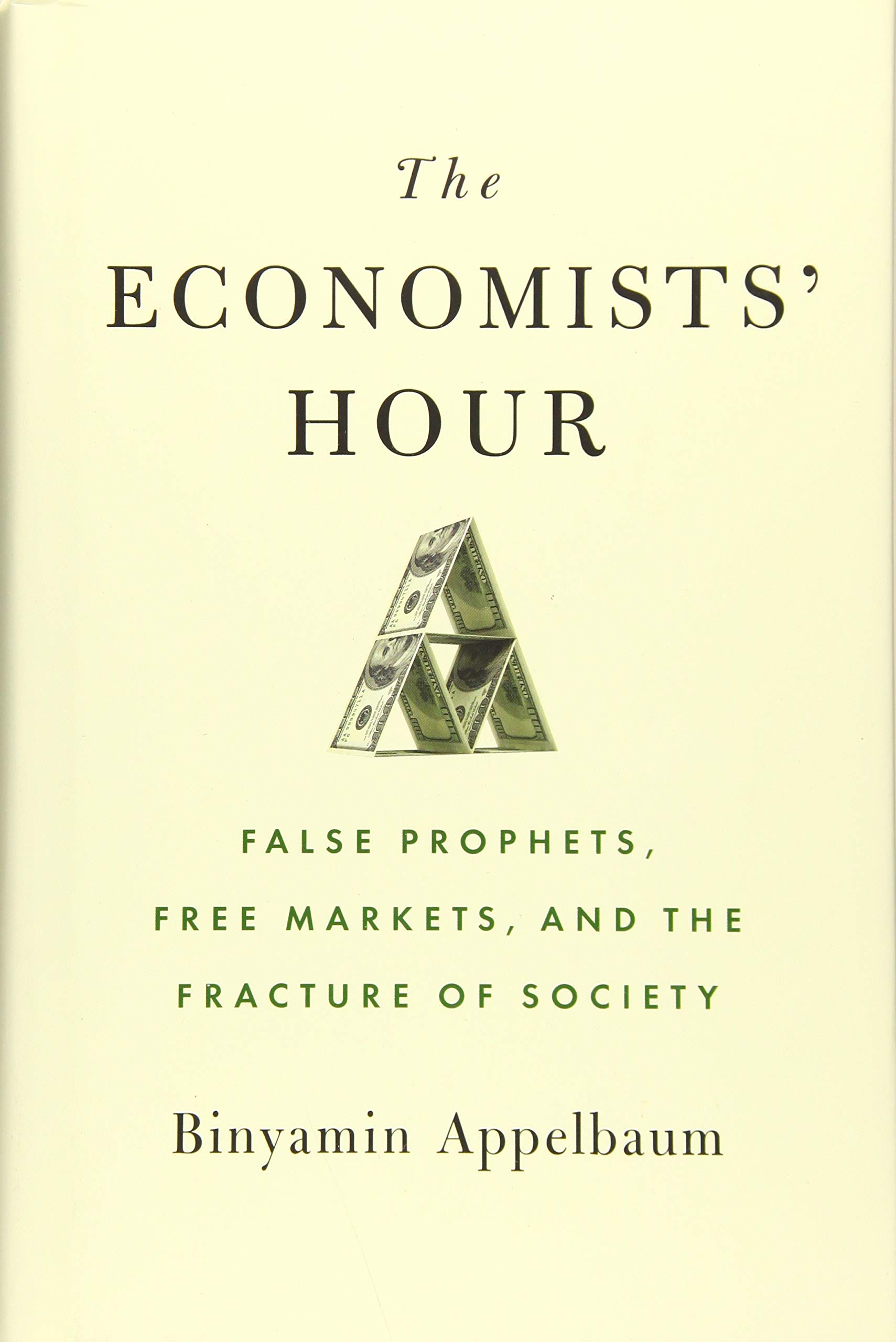 The story is of how, in the decades that followed World War II, a single academic discipline—Economics, one long seen as a “soft,” imprecise, and inferior science, much to the resentment of its disciples—moved out of the realm of the classroom and peer-reviewed journals and in short order took hold of the levers of power and policy in government, first in the U.S., and then around the world. For the past 40 years or so, most of the world has been living in what amounts to a grand experiment, in which the theories of free-market orthodoxy—lower taxes, low inflation, deregulation, free trade, markets in all things—have been put into practice in the laboratory of our lives.