
Hope and concrete solutions for those who are currently dealing with a sociopath
OUTSMARTING THE SOCIOPATH NEXT DOOR: How to Protect Yourself Against a Ruthless Manipulator
by Martha Stout’s
Crown/Harmony Avril 2020
Stout’s 2005 bestseller The Sociopath Next Door (534,000 copies sold to date) showed readers how to identify a sociopath. In this new work, she takes a step further by examining the personal and global implications of sociopathy, providing hope and concrete solutions for those who are currently dealing with a sociopath.Bringing together the countless e-mails, phone calls, and letters that she has collected from readers since the publication of The Sociopath Next Door, Martha Stout mines these accounts for their inherent instruction and fascination, and makes the issue of conscience, or the lack thereof, riveting and relevant to a wide audience.
Organized around categories such as destructive narcissism, violent sociopaths, sociopathic coworkers, and the sociopath in your family, each chapter contains representative stories from « everyday people, » as well as Stout’s detailed explanation and commentary on how best to react in these situations to keep the sociopath at bay. Uniting these categories is Stout’s discussion of changing psychological theories of personality and sociopathy and the enduring triumph of conscience over those who operate without empathy or concern for others. With Outsmarting the Sociopath Next Door, Stout aims to help readers navigate their interactions with the ruthless people in their personal lives and to inform society’s broader interest in character and conceptions of normality.
MARTHA STOUT, Ph.D., a clinical psychologist in private practice, served on the faculty in psychology in the department of psychiatry at Harvard Medical School for 25 years. She is the author of The Sociopath Next Door and The Myth of Sanity.
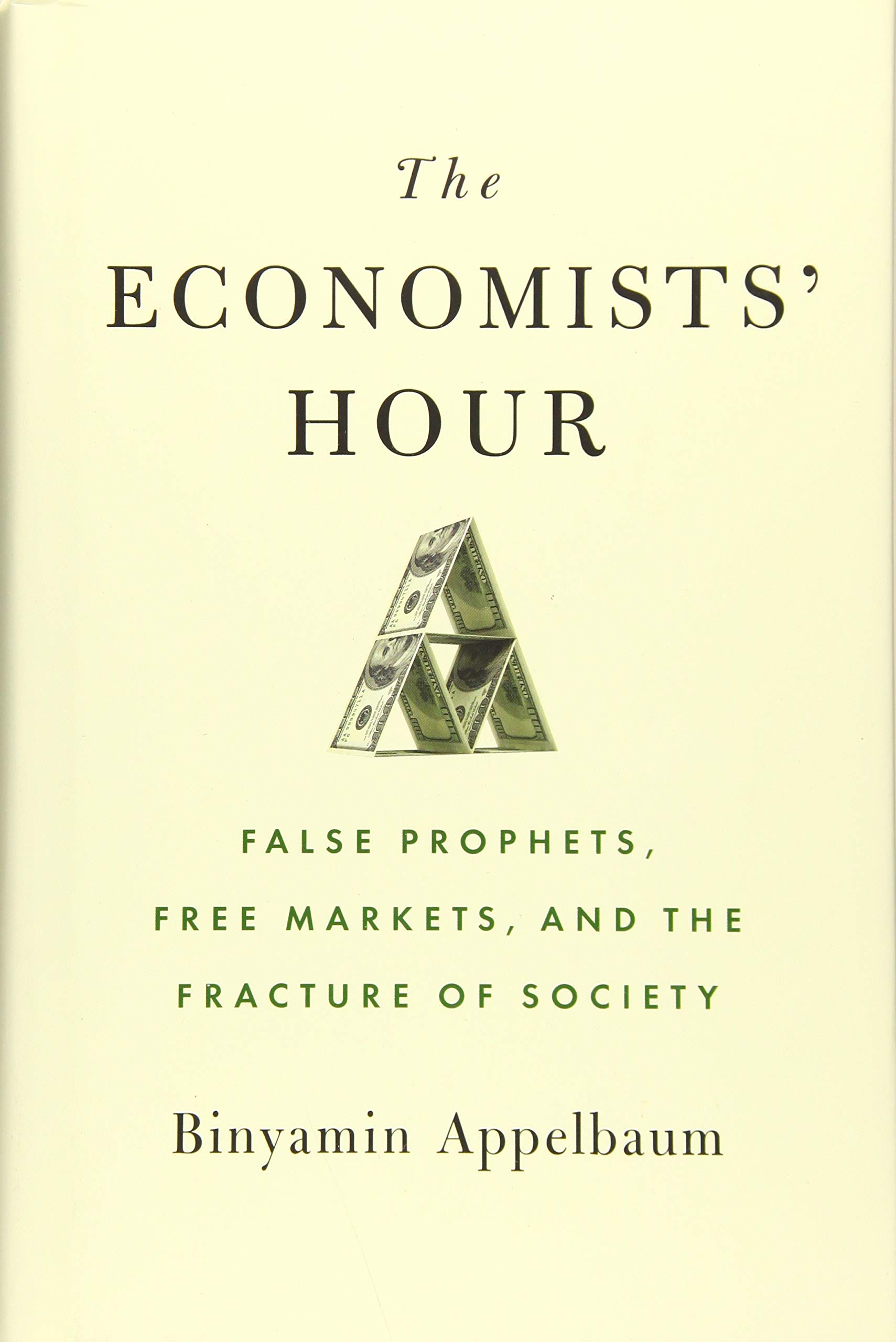 The story is of how, in the decades that followed World War II, a single academic discipline—Economics, one long seen as a “soft,” imprecise, and inferior science, much to the resentment of its disciples—moved out of the realm of the classroom and peer-reviewed journals and in short order took hold of the levers of power and policy in government, first in the U.S., and then around the world. For the past 40 years or so, most of the world has been living in what amounts to a grand experiment, in which the theories of free-market orthodoxy—lower taxes, low inflation, deregulation, free trade, markets in all things—have been put into practice in the laboratory of our lives.
 Every year, glossy magazines describe the winning cultures of innovative companies. Smiling employees raise gleaming new products like runners raising the Olympic torch. Leaders reveal their secrets. And then, so often, those companies crash and burn. Bahcall, a physicist and entrepreneur, finds answers in the science of phase transitions. The Nobel laureate Phil Anderson once captured the essence of phase transitions with the phrase “more is different.” The collective behaviors of liquids and solids—water flows, ice shatters—are more than the sum of their parts. They are something new: phases of matter. Bahcall shows why the collective behaviors of teams and companies are something new: phases of organization. Small changes in structure can transform teams from nurturing breakthroughs to inhibiting them, just like small changes in temperature can transform flowing water to rigid ice. Structure can matter more than culture. Drawing on examples from Aristotle to Star Wars, from Isaac Newton to Steve Jobs, Bahcall distills these ideas into practical rules that creatives, entrepreneurs, and managers can use to innovate faster and better. Along the way, readers will learn what James Bond and Lipitor have in common; why traffic jams appear out of nowhere on highways; and how these ideas and rules underlie the most consistently innovative organization in the world.