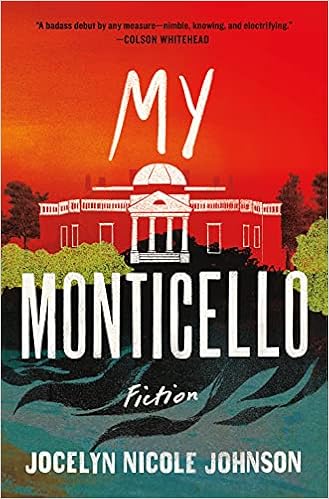
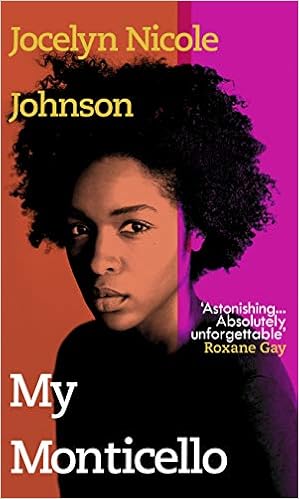
 Les éditions Harvill Secker au Royaume-Uni ont fait l’acquisition du premier recueil de nouvelles de Jocelyn Nicole Johnson intitulé MY MONTICELLO. Ils publieront d’abord la novella éponyme dans une édition reliée en novembre 2021, puis le recueil entier dans un deuxième temps. Aux États-Unis, c’est Henry Holt qui publiera le recueil en octobre 2021. Une négociation est en cours pour les droits d’adaptation audiovisuelle. (Lire l’article du Bookseller)
Dans la novella d’anticipation, un groupe de voisins d’horizons divers vivant à Charlottesville en Virginie cherchent à se réfugier à Monticello, la plantation historique de Thomas Jefferson, après de violentes émeutes provoquées par des suprémacistes blancs. (Lire la présentation complète)
L’éditeur chez Harvill Secker a déclaré : « Families, lovers and near-strangers care for and sustain one another over 19 heart-stopping days on the mountain, finding ways to hope, to resist, and to live, as the town burns below them. Their story is told by Da’Naisha Love, an imagined young Black descendant of Jefferson and Sally Hemings. Love must reckon with her own relationship to the house and its enslaved former inhabitants, as the present threat draws ever closer ».
Le livre a déjà reçu d’excellentes avant-critiques :
“A badass debut by any measure―nimble, knowing, and electrifying.” ―Colson Whitehead, Pulitzer Prize-winning author of The Nickel Boys, Underground Railroad and Harlem Shuffle
“It is a rare breed of writer who can tell any kind of story and do so with exquisite deftness. Jocelyn Nicole Johnson is one such writer. Her debut collection, MY MONTICELLO, is comprised of six stories of astonishing range and each one explores what it means to live in a world that is at once home and not. She dissects the unbearable burdens of such displacement. The crowning glory of this collection is the title story, a novella about a world that has fallen apart and a small band of people who take refuge in Monticello, among the old ghosts of the former plantation, how they become family, and how they try to make a stand for their lives, for the world the way it once was. This collection is absolutely unforgettable and Johnson’s prose soars to remarkable heights.” ―Roxane Gay, New York Times bestselling author of Hunger and Ayiti
“There is a special pleasure in discovering a voice that is vital and unlike anything else you’ve known before. Jocelyn Nicole Johnson is such a voice. One that is necessary and brimming with both heart and imagination, Johnson’s My Monticello is a beautiful debut work of art.” ―Nana Kwame Adjei-Brenyah, New York Times bestselling author of Friday Black
“Johnson crafts a fine-grained character study that also harrowingly reveals how racist violence repeats. . . . Johnson has a knack for irony and inventive conceits. . . . A sharp debut by a writer with wit and confidence.” ―Kirkus starred review
Voir la vidéo de présentation par l’auteure :
https://www.dropbox.com/s/ezjpcp52yuayffy/My%20Monticello%20-%20Jocelyn%20Johnson.mp4?dl=0
Les droits de langue française sont toujours disponibles.

 A second chance is the last thing she wants. When thirty-nine year old Maria Forssmann wakes up in her seventeen-year-old body, she doesn’t know how she got there. All she does know is she has to get back: to her home in Bienville, Mississippi, to her job as a successful psychiatrist and, most importantly, to her husband, daughters, and unborn son. But she also knows that, in only a few weeks, a devastating tragedy will strike her husband, a tragedy that will lead to their meeting each other. Can she change time and still keep what it’s given her?
 A powerful, heart-warming novel sharing the embarrassments and excitements, horrors and humiliations, glories and defeats of a group of twenty-something year-olds, navigating life, love, sex and their dreams. Trying to appear ordinary on the outside but inside obsessing on the unspoken rules of what’s okay and racked with self-doubt.
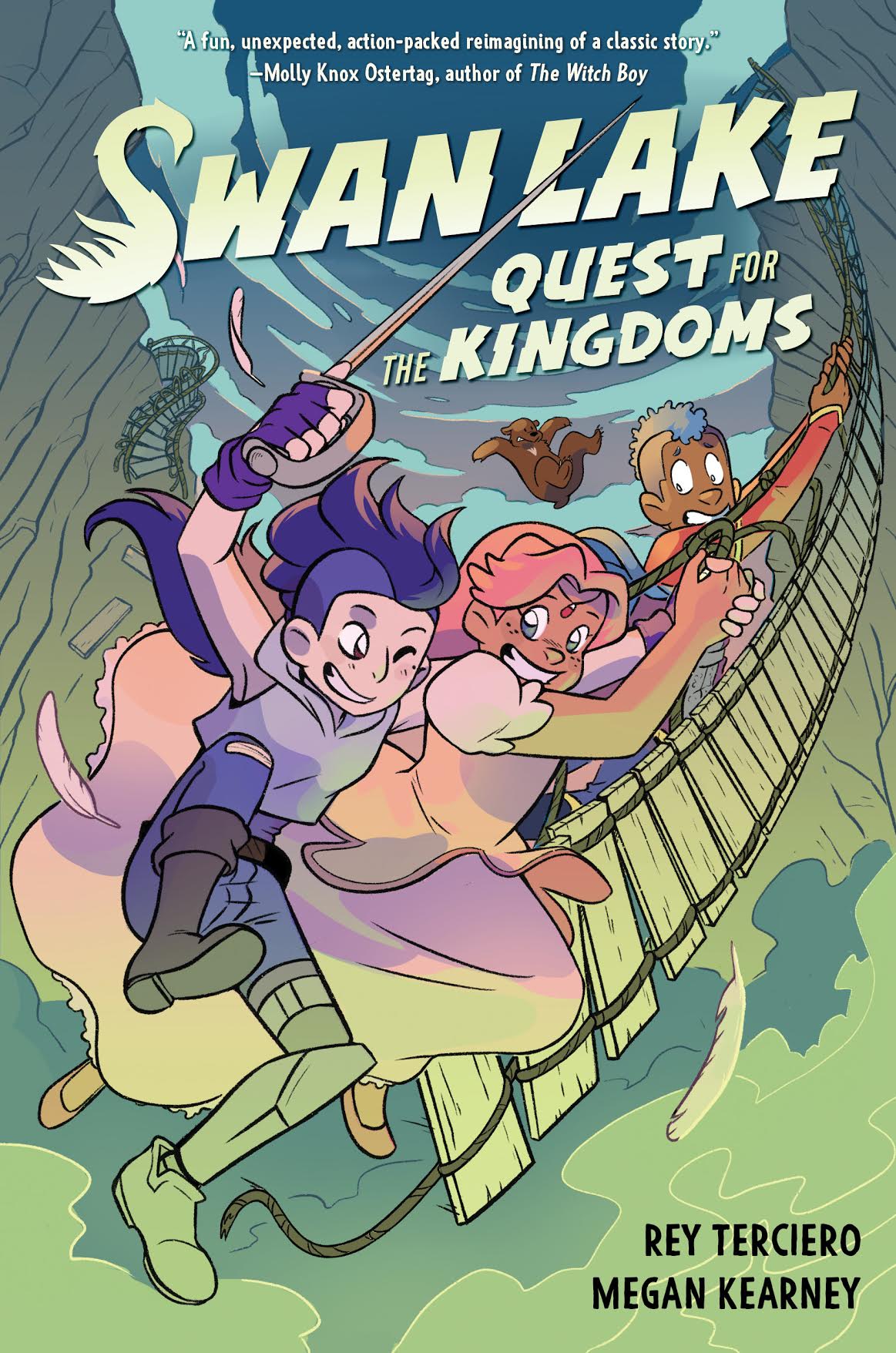 Odette and Dillie are supposed to be enemies. Their kingdoms have been feuding since before they were born. But when the two princesses meet each other at the lake that separates their castles, it’s clear they were destined to be best friends. Odette—who lives with a curse that magically transforms her into a swan when the sun rises— is happy to find someone who treats her like everyone else. And Dillie has finally met someone who understands her dream of having an adventure instead of sitting on a throne. When they discover that Odette’s curse is the reason for the tension between their families, they decide to follow an ancient legend that could lead them to someone who can set every thing right. As they travel through enchanted lands, meet new allies, and fight terrible foes, Odette and Dillie are put to the ultimate test. But when the time comes, will they choose their deepest wishes or the fragile fate of their world?