
A fascinating examination of the synthetic drug epidemic—and in particular the rise of fentanyl, the newest and most deadly wave of the opioid crisis
FENTANYL, INC.
by Ben Westhoff
Atlantic Monthly Press, September 2019
Fentanyl now kills more Americans annually than any drug in history, as well as growing numbers in Canada, Europe, Australia, and beyond, one of a crop of new drugs called novel psychoactive substances (NPS). The result of four years of investigation, FENTANYL, INC. is the compelling story of the drugs’ origins in legitimate laboratories, their hijacking by rogue chemists and rapid spread around the globe, the black market in which they are sold and consumed, and efforts to crack down on or contain the damage of this illicit and often lethal industry.Novel psychoactive substances (NPS) are synthetic and intended to mimic the effects of traditional drugs—including replacements for heroin, marijuana, ecstasy, and LSD. They are made in laboratories and often sold over the Dark Web using Bitcoin, anonymous transactions where the drugs are delivered right to the customer’s door. Westhoff traces the drugs back to their source: almost all were developed as pharmaceuticals, before rogue chemists hijacked the chemical formulas and began producing them illicitly. FENTANYL, INC. includes the stories of scientists like Paul Janssen, who invented fentanyl as a prescription painkiller, sold his company to Johnson & Johnson, and died a hero, not knowing his drug would become the scourge it is today.
NPS are often stronger than their non-synthetic counterparts and even more lethal, and they are upending the drug-enforcement landscape with ever-changing formulas that stay two steps ahead of the law. Westhoff explores this shadowy world at each step of the drug distribution ladder: He tracks down a mysterious drug baron in New Zealand who unintentionally sparked the synthetic drug revolution. He visits the shady factories in China where these new drugs are almost all manufactured, infiltrating a pair of operations producing drugs in plain sight and exposing how the Chinese government is subsidizing this illicit industry. Westhoff then widens his lens to chronicle addicts and dealers around the globe, families of victims, law enforcement officers, and underground harm reduction organizers—all to present the shocking and riveting full anatomy of a crisis we are just beginning to understand, and the unsung heroes who are emerging to fight it around the globe.
Ben Westhoff is an award-winning investigative reporter who has covered stories ranging from gangland Los Angeles to Native American blood feuds to government corruption. He has written at length about music and culture, his entry point to the world of synthetic drugs, in Rolling Stone, the Guardian, Village Voice, Vice, Oxford American, the Wall Street Journal, and elsewhere. He is the author of two previous books: “Original Gangstas: The Untold Story of Dr. Dre, Eazy-E, Ice Cube, Tupac Shakur, and the Birth of West Coast Rap” (Hachette, 2016), and “Dirty South: Outkast, Lil Wayne, Soulja Boy, and the Southern Rappers Who Reinvented Hip-Hop” (Chicago Review Press, 2011).
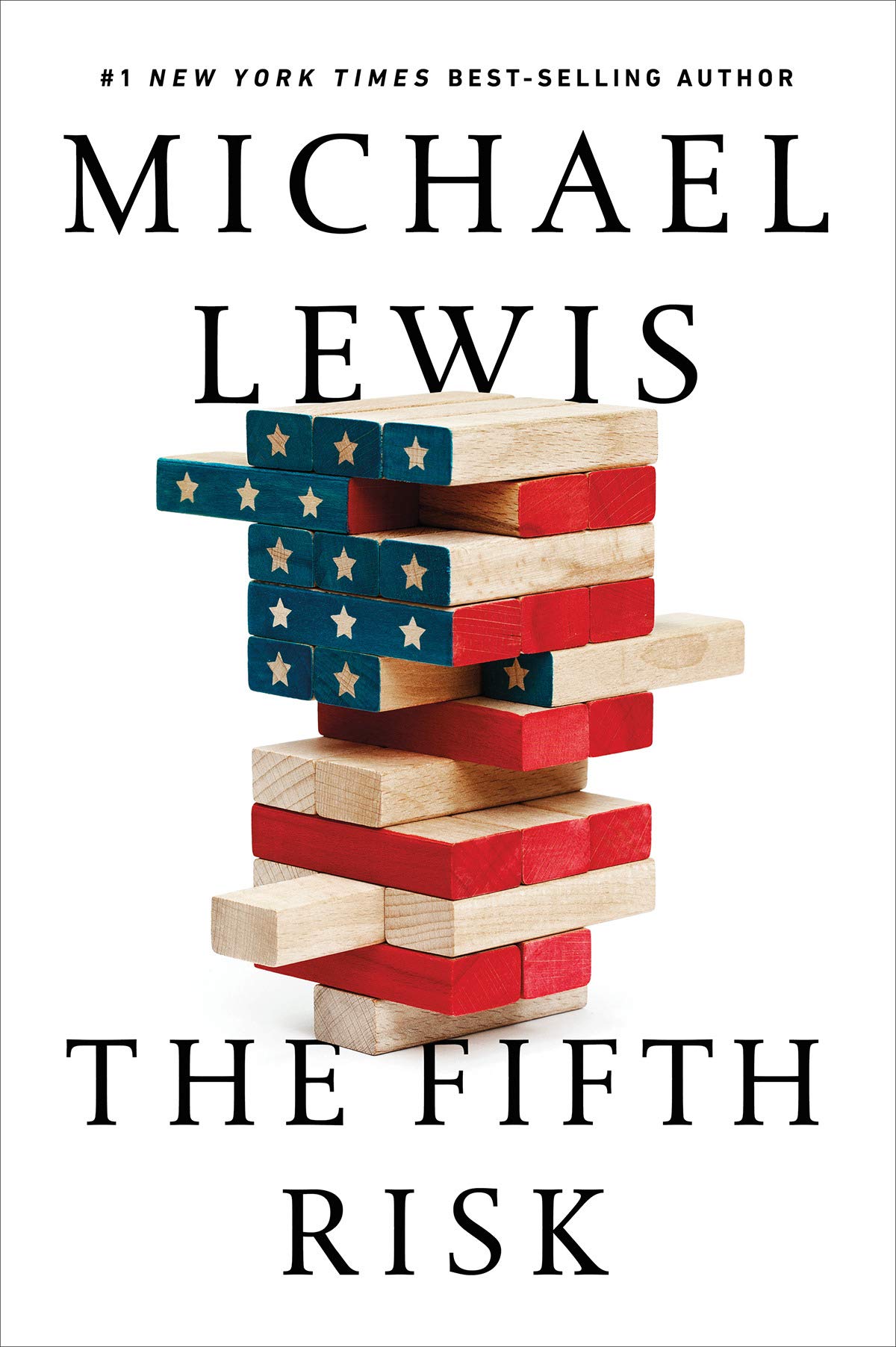 « The election happened, » remembers Elizabeth Sherwood-Randall, then deputy secretary of the Department of Energy. « And then there was radio silence. » Across all departments, similar stories were playing out: Trump appointees were few and far between; those that did show up were shockingly uninformed about the functions of their new workplace. Some even threw away the briefing books that had been prepared for them. Michael Lewis’s brilliant narrative takes us into the engine rooms of a government under attack by its own leaders. In Agriculture the funding of vital programs like food stamps and school lunches is being slashed. The Commerce Department may not have enough staff to conduct the 2020 Census properly. Over at Energy, where international nuclear risk is managed, it’s not clear there will be enough inspectors to track and locate black market uranium before terrorists do. Willful ignorance plays a role in these looming disasters. If your ambition is to maximize short-term gains without regard to the long-term cost, you are better off not knowing those costs. If you want to preserve your personal immunity to the hard problems, it’s better never to really understand those problems. There is upside to ignorance, and downside to knowledge. Knowledge makes life messier. It makes it a bit more difficult for a person who wishes to shrink the world to a worldview. If there are dangerous fools in this book, there are also heroes, unsung, of course. They are the linchpins of the system―those public servants whose knowledge, dedication, and proactivity keep the machinery running. Michael Lewis finds them, and he asks them what keeps them up at night.


