
From Rolling Stone, the definitive and lavishly illustrated companion book to one of the most popular and hotly debated lists in the world of music.
ROLLING STONE:
THE 500 GREATEST ALBUMS OF ALL TIME
by the editors of Rolling Stone
Abrams, November 2022
 In partnership with Abrams, Rolling Stone has created an oversized companion book to celebrate the all-new 2020 list of the 500 Greatest Albums of All Time, telling the stories behind every album through incredible Rolling Stone photography, original album art, Rolling Stone’s unique critical commentary, breakout pieces on the making of key albums, and archival interviews.
This brand new anthology is based on Rolling Stone’s 2020 reboot of the original 500 Greatest Albums of All Time list, launched in 2003 and last updated in 2012, polling the industry’s most celebrated artists, producers, executives, and journalists to create the ranking. The voters include both classic and contemporary artists, including Beyoncé, Taylor Swift, and Billie Eilish; rising artists like H.E.R., Tierra Whack, and Lindsey Jordan of Snail Mail; as well as veteran musicians, such as Adam Clayton and the Edge of U2, Raekwon of the Wu-Tang Clan, Gene Simmons, and Stevie Nicks. The book is boldly designed, includes hundreds of images, and is packed with surprises and insights for music fans of all ages.
Rolling Stone was founded by publisher Jann S. Wenner and music critic Ralph J. Gleason in 1967. It has a circulation of more than one million readers and widespread international circulation.
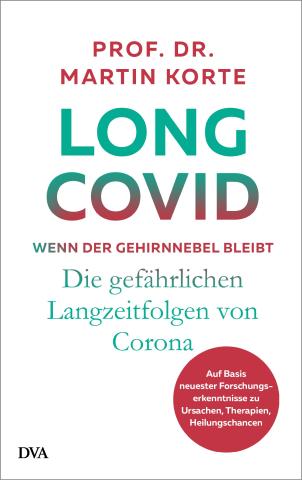 Exhaustion, breathlessness, loss of taste, brain fog, problems concentrating: about ten percent of Covid patients report these and other similar symptoms, months after first catching the virus. It doesn’t matter if their original symptoms were mild, and even the young and usually fit and healthy are affected. Not only that, but the latest studies show that Covid can accelerate brain ageing, meaning that the number of people suffering from dementia could rise sharply in the next few years. This alarming discovery suggests that long Covid really is the new endemic disease, and doctors and scientists have issued warnings about the long-term consequences for both individual patients and society at large.
 As he did with THINK LIKE A MONK, Shetty offers advice from his unique background and experience, combining ancient wisdom with modern social science. In a world awash in guides to romance,
  The mind can be a potent tool, used to guide extraordinary achievements, inspire good works, and incline your spiritual path toward peace and awakening. But the mind can also produce thoughts that lead to suffering. For many people, thoughts run rampant and seem to oppress or control their lives. Even the Buddha tells us that before his enlightenment, he sometimes found his mind preoccupied by thoughts connected with sensual desire, ill will, and harm. But he figured out how to respond to thoughts skillfully and developed a step-by-step approach to calm the restless mind.
  In 1946, Günther Quandt—patriarch of Germany’s most iconic industrial empire, a dynasty that today controls BMW—was arrested for suspected Nazi collaboration. Quandt claimed that he had been forced to join the party by his archrival, propaganda minister Joseph Goebbels, and the courts acquitted him. But Quandt lied. And his heirs, and those of other Nazi billionaires, have only grown wealthier in the generations since, while their reckoning with this dark past remains incomplete at best. Many of them continue to control swaths of the world economy, owning iconic brands whose products blanket the globe. The brutal legacy of the dynasties that dominated Daimler-Benz, cofounded Allianz, and still control Porsche, Volkswagen, and BMW has remained hidden in plain sight—until now.