
Charmingly irreverent and relatable, this is a vibrant and uplifting story about three imperfect humans each at a time of change in their lives, when absolutely nothing feels right. A debut novel about forgiveness and love, coupled with a healthy dose of adventure and the particular kind of crazy that only family can deliver.
GOOD EGGS
by Rebecca Hardiman
Atria, publication date TBD
When Kevin Gogarty’s irrepressible 83-year-old mum Millie is caught shoplifting yet again, he’s got no choice but to hire a caretaker to look after her, despite her protestations about losing her independence. Kevin is already at his wits’ end since losing his job over a year ago, and he’s grown increasingly restless and resentful that the responsibilities of managing children and home have fallen on him, while his wife is off pursuing her demanding career. Their wayward 16-year-old daughter Aideen feels deeply misunderstood, but her fraught relationships with just about everyone lead to her being sent quite miserably off to boarding school, where her troubles only escalate. Into the Gogartys’ calamitous world steps Sylvia Phenning, a brash American home aide who quickly earns Millie’s trust but unfortunately isn’t all she appears to be. Her deceptions will lead to the greatest Gogarty crisis yet, including two family members going AWOL on an international adventure. But what tears these family members apart ultimately brings them back together, better than ever before. Set primarily in Dublin and told from the points-of-view of its three main characters, GOOD EGGS is a funny and heartfelt study in self-determination, the notion that it’s never too late to start living, and the unique redemption that family, despite its maddening flaws, can offer. Fans of A Man Called Ove, Where’d You Go Bernadette, and Eleanor Oliphant is Completely Fine will appreciate Rebecca Hardiman’s buoyant voice-driven narrative style and admire the astute observations of human nature they’ll find on every page of GOOD EGGS.
Rebecca Hardiman is a dual Irish-American citizen, raised by an Irish mom, who has lived in Dublin and attended boarding school there as a teenager. She currently lives in New Jersey. She has been an editor at magazines including In Style, Movieline, and People en Español, and has written for various other publications. GOOD EGGS is her first novel.
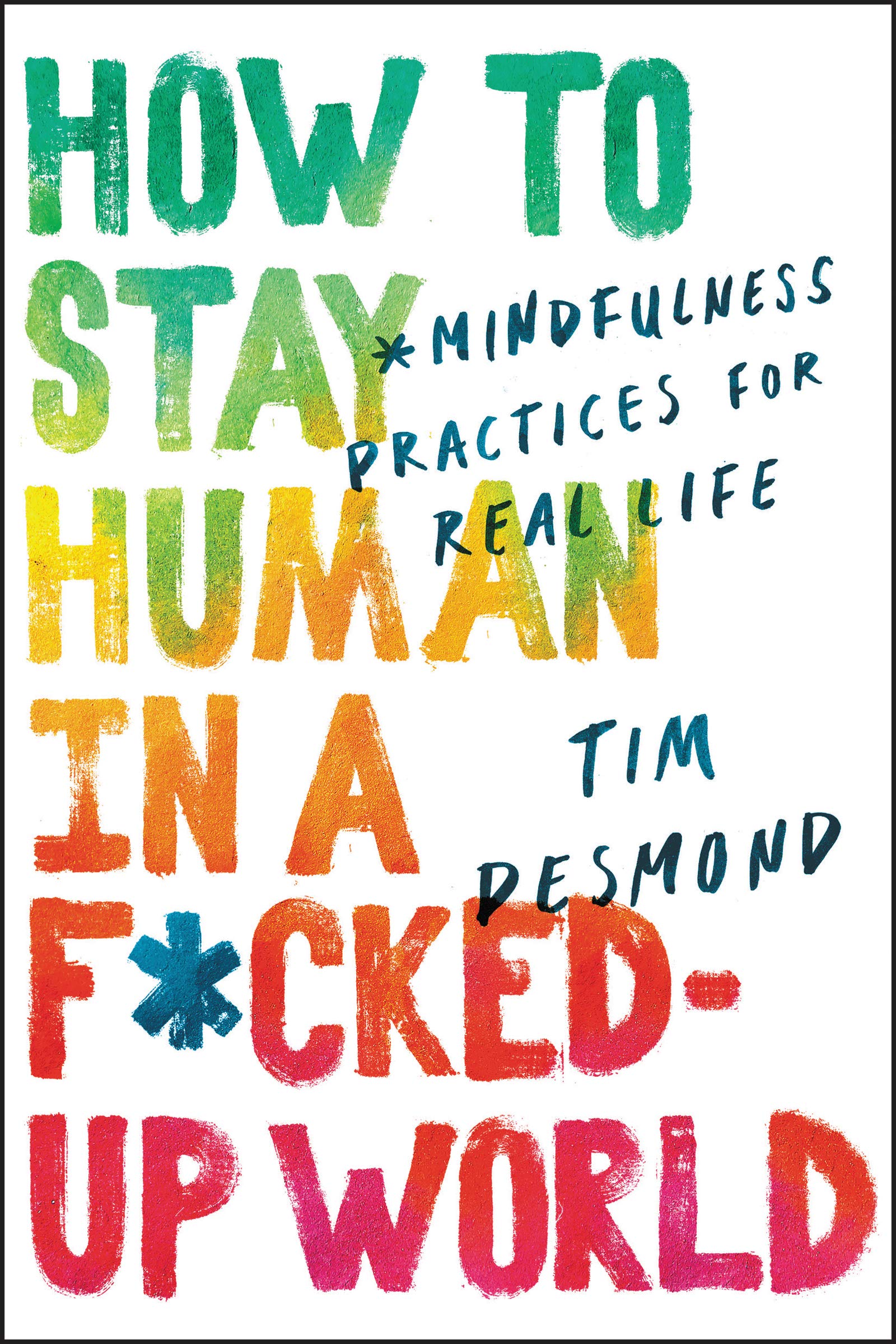 If you’ve tried mindfulness before and failed, we get it. Likely you were told to sit on a pillow in a dark room, meditate, or count your breaths. But mindfulness isn’t about separating ourselves from the problems in the world. Instead, it is about re-learning how to get out there, connect with the suffering of every living being and in so doing, embrace your own personal suffering to heal, transform, grow, and finally find peace.
  « Les livres audio ont la puissance des récits, classiques ou contemporains, mais ils offrent aussi une accessibilité à tous, tout le temps et en font des ambassadeurs de premiers plans pour la littérature. Le Prix du livre audio France Culture / Lire dans le noir récompense les meilleurs « livres à écouter ». Cette année, le jury était constitué de 515 auditeurs-lecteurs partout en France. Dans ce contexte de confinement et avec la volonté de participer activement à la diffusion des savoirs, du patrimoine et de la création, France Culture valorise par ce prix trois livres audio à écouter seul ou en famille à la maison. »
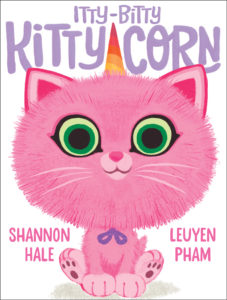 Kitty thinks she might be a unicorn. She feels so perfectly unicorn-y! “Neigh!” says Kitty. But when Unicorn
 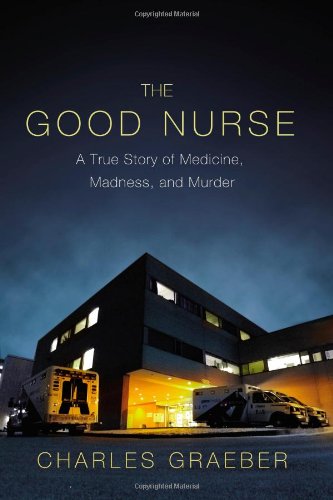 THE GOOD NURSE: A True Story of Medicine, Madness, and Murder, publié chez Twelve en 2013, est un récit poignant par le journaliste Charles Graeber exposant les crimes épouvantables d’un des tueurs en série les plus prolifiques des États-Unis, Charlie Cullen. Époux, père de famille et infirmier expérimenté, sa compulsion secrète l’a impliqué dans la mort d’au moins 300 patients entre 1988 et 2003, répartis dans neuf hôpitaux du New Jersey et de Pennsylvanie.