
There never was a gator killing around here, contrary to everlasting rumor, and there was only one real murder, but it seems each bad thing that happens is like an incantation invoking the Binderup family, its women and their dying.
GIRLS WITH LONG SHADOWS
by Tennessee Hill
Harper, TBD
(via Park & Fine Literary and Media)
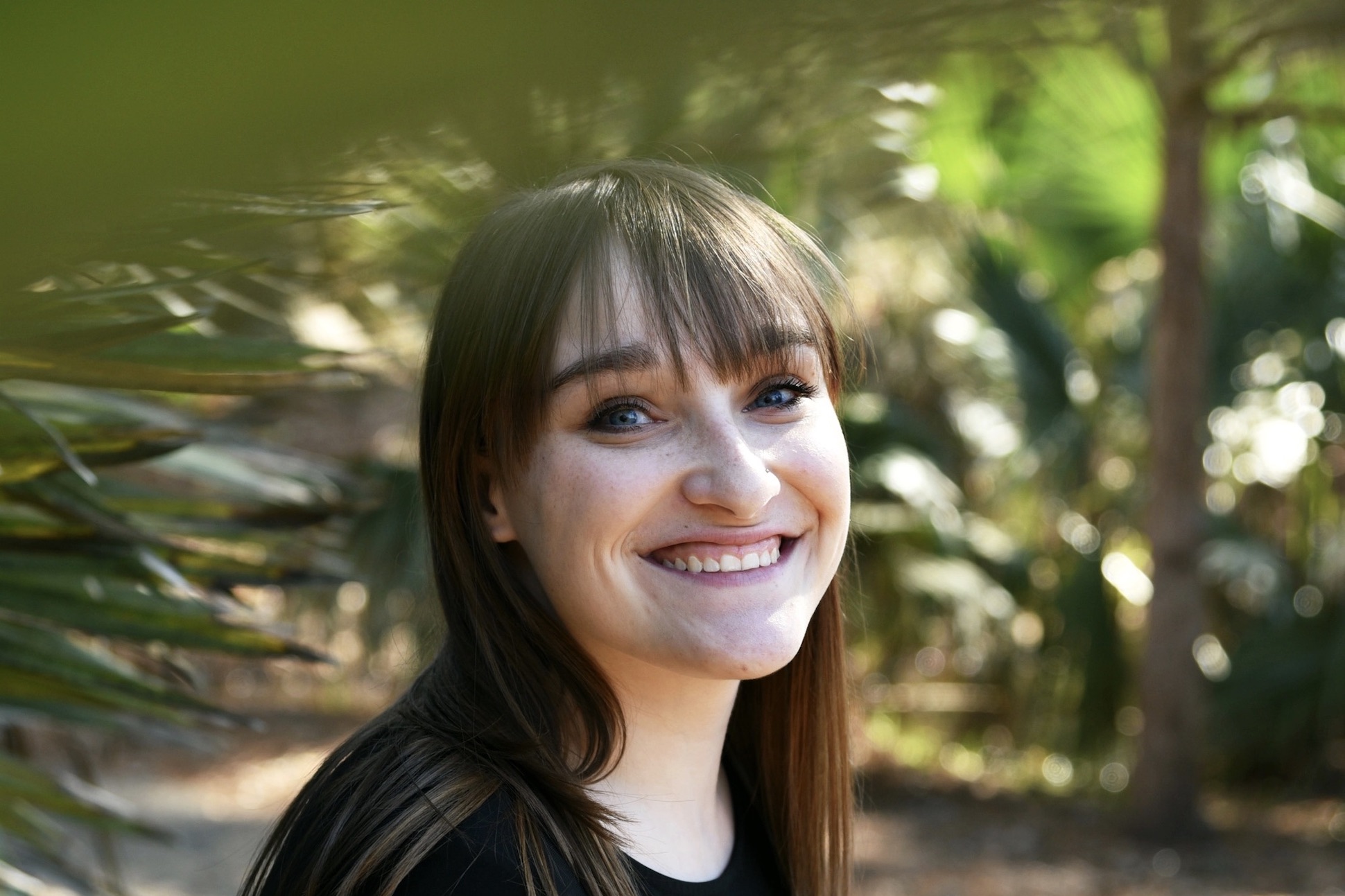
Photo by Emily Townsend
Identical triplets Baby A, Baby B, and Baby C Binderup came into the world as their mother left it, leaving them nameless and in the care of their Gram Isadora, whose maternal instincts died alongside her daughter. 19 years later, the triplets work at their Gram’s crumbling golf course, where the watchful eyes of the town observe them perched on lawnmowers, serving up glasses of lemonade to golfers and swimming in the murky waters of the river nearby, hoping to attract the kind of attention they are only beginning to understand.
Through the eyes of cautious Baby B, we watch as lustful Baby A and introverted Baby C find matches among the town boys. When even Baby B notices that the town’s golden boy seems to be intrigued by her, only her, it begins to appear that the young women’s wish to be seen as individuals has been granted – until a seemingly trivial kiss is gifted to the wrong sister. What comes next forces the sisters to confront the devastating implications of their collective anonymity. As insecurities become weapons and the tight bonds between sisters are severed, the threat of female teenage angst turns real and deadly, and the young women face a future where triplets must learn to be twins.
Tennessee Hill is a poet by trade; she was the 2022 Gregory Djanikian scholar and holds an MFA from North Carolina State University. Her work has been featured in POETRY, Best New Poets, Southern Humanities Review, Fugue, Arkansas International, and elsewhere. She is a South Texas native, where she still lives and teaches with her husband and their dog, Bark Ruffalo.
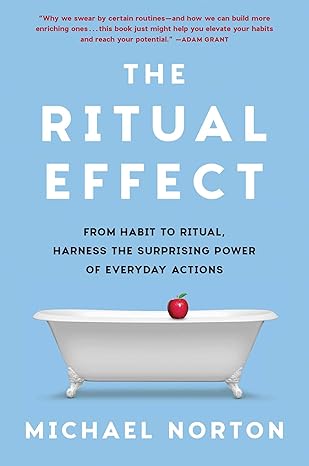 Our lives are filled with repetitive tasks meant to boost productivity—what we know as habits. Over time, we do these activities automatically. But when we perform these habits mindfully—when we focus on the precise way an act is performed—we create a ritual. Now, an everyday act goes from black-and-white to technicolor. And as author and Harvard professor Michael Norton explains here, it’s these rituals that make life worth living.
 Anabelle Gage is trapped in a boy’s body, and it’s rotting from the inside out.
  Lost something? Gabriela Rose knows how to get it back. As a recovery agent, she’s hired by individuals and companies seeking lost treasures, stolen heirlooms, or missing assets. She’s reliable, cool under pressure, and well trained in weapons of all types. But Gabriela’s latest job isn’t for some bamboozled billionaire, it’s for her own family, whose home is going to be wiped off the map if they can’t come up with a lot of money fast.
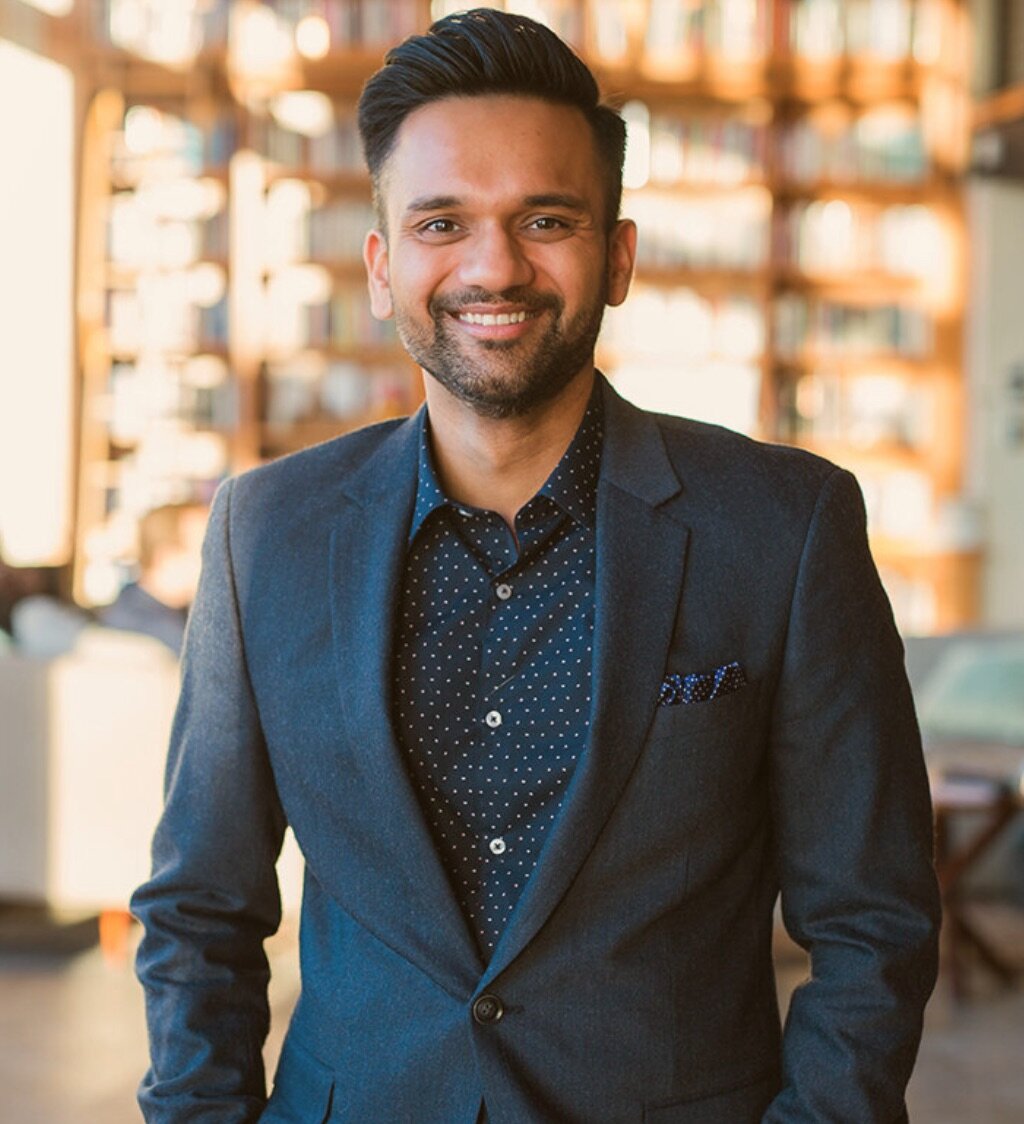 Growing up in India and the United States, and being a brown-skinned, cis-gendered, gay man with an Indian name, Anu has experienced different levels of bias, privilege, and prejudice in his life—ranging from the subtly stinging to the all-out violent—and he knows intimately the importance of breaking not only interpersonal bias, but our own internalized biases. Today, he is the founder of BE MORE with Anu, an organization that funds independent research on breaking bias and has provided anti-bias trainings to hundreds of companies around the world.