
Imagine it’s possible to breathe life into stone — your hand meets the cool surface of a sculpted man and finds it pulsing with life… This is the Budapest of THE STONE MEN, a vibrantly original debut novel for fans of Clarice Lispector and Sequoia Nagamatsu’s How High We Go In The Dark.
THE STONE MEN
by Timea Sipos
TBD
(via The Friedrich Agency)
Four female sculptors in their final year of art school discover their ability to animate statues. Their first creation: the ideal man. What starts as a creative experiment grows into a media sensation. Seeing an opportunity, two of the sculptors, Bori and Hajni, begin to monetize their art, sculpting men for wealthy patrons who desire companions. As the operation grows, the streets of Budapest become restless with discarded animate statues, many of whom long for integration into human society. Haunting the novel is a mysterious mass casualty which leaves an untold number of stone men dead.
Through the perspectives of the stone men, their creators, and their occasional human companions, the novel explores the blurred the lines between art and life, female agency and sexuality, and questions what we owe our creations.
Timea Sipos is a Hungarian-American writer and translator with a MFA from the University of Nevada, and studied translation at the Balassi Institute. She has been supported by MacDowell, the Steinbeck Fellowship, Tin House, and the Vermont Studio Center, among others.
 Konstantin “Kostya” Duhhovny is a haunted man. His father passed shortly after they immigrated to Brooklyn from Ukraine, and ghosts have been hovering around Kostya ever since. He can’t see them, but his mouth will often flood with the tastes of meals he’s never consumed, and Kostya understands that this is how they haunt him.
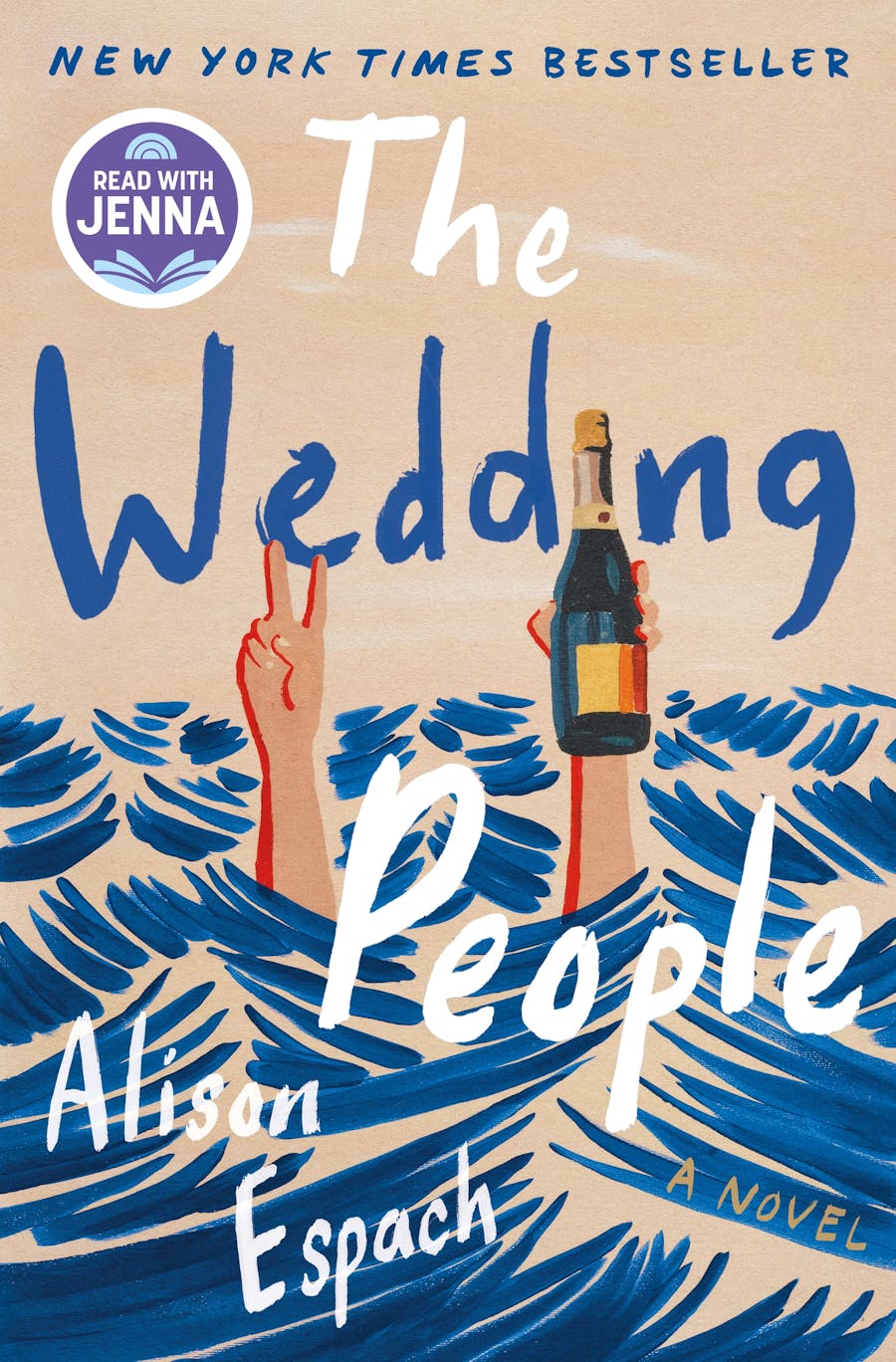 Phoebe Stone arrives at the grand Cornwall Inn wearing a green dress and gold heels, not a bag in sight. She’s immediately mistaken by everyone in the lobby for one of the wedding guests, but she’s the only one who isn’t here for the big event. Phoebe is here because she’s dreamt of coming for years—she hoped to shuck oysters and take sunset sails with her husband, only now she’s alone, at the lowest moment of her life.
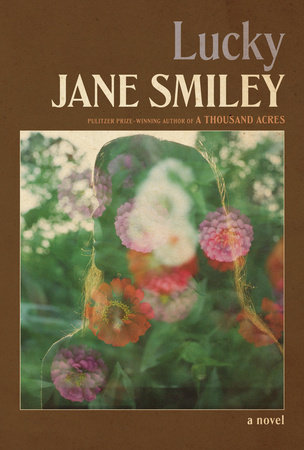 Before Jodie Rattler became a folk sensation, she was just a little girl who struck lucky at a racetrack. That roll of two-dollar bills she won has never left her side since. Jodie comes of age in recording studios, backstage, and on tour, and tries to hold her own in the wake of Janis Joplin, Joan Baez, Judy Collins, and Joni Mitchell. Yet it feels like something is missing.
 Abigail blends reporting, research, and history to create an international portrait of new motherhood and the policies that scaffold this transitional phase of life. As debates surrounding paid leave, universal daycare, and national healthcare rage on across different corners of the globe, FOUR MOTHERS is an intimate narrative of what those policies mean in the everyday lives of four women—and a compelling argument for the necessity and urgency of supporting parents.