
An intelligent, warm-hearted novel about an island in the grip of change, about ancient laws that have lost their meaning, and about upheaval and deliverance.
ZUR SEE
[To the Sea]
by Dörte Hansen
Penguin Germany, September 2022
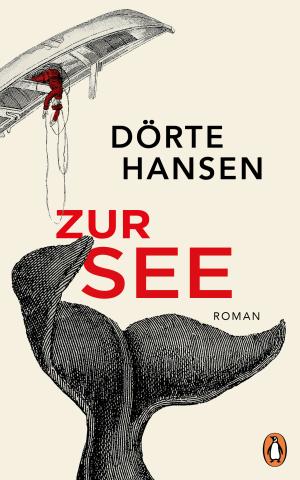 The ferry takes an hour for the crossing from the mainland to the little North Sea island – sometimes longer, depending on how rough the sea is. The Sander family has lived in one of the island’s two villages for nearly 300 years. Hanne has raised three children, while her husband has given up both his family and his seafaring life. Now her oldest son has lost his captain’s licence, is plagued by premonitions and tidal data, and is waiting for the storm to end all storms. Her daughter Eske looks after veteran sailors and widows at the old people’s home. She fears the influx of tourists more than the sea, because the tourists are turning the island’s culture into mere folklore. Only Henrik, Hanne’s youngest son, is at peace with himself. He is the first man in the family never to have dreamt of going to sea, and instead spends his time collecting flotsam on the beach. Over the course of one year, the Sander family’s life is irrevocably changed – by an almost unnoticeable breeze that eventually grows into a full-blown storm.
Dörte Hansen, born in 1964, has a degree in linguistics. She has been an editor at NDR and written for both radio and print. Her debut novel This House Is Mine was voted the German Independent Booksellers’ Book of the Year in 2015, and was the Spiegel’s 2015 bestseller of the year. Her second novel, Mittagsstunde (« Midday Hour ») appeared in 2018, was also the Spiegel’s bestseller of the year, and won both the Rheingau Literature Prize and the Grimmelshausen Literature Prize. Both novels have been translated into numerous languages.
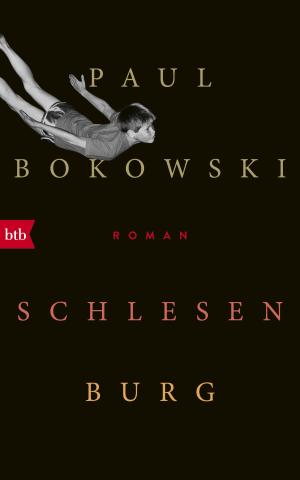 « Silesia Towers »
  Exhaustion, breathlessness, loss of taste, brain fog, problems concentrating: about ten percent of Covid patients report these and other similar symptoms, months after first catching the virus. It doesn’t matter if their original symptoms were mild, and even the young and usually fit and healthy are affected. Not only that, but the latest studies show that Covid can accelerate brain ageing, meaning that the number of people suffering from dementia could rise sharply in the next few years. This alarming discovery suggests that long Covid really is the new endemic disease, and doctors and scientists have issued warnings about the long-term consequences for both individual patients and society at large.
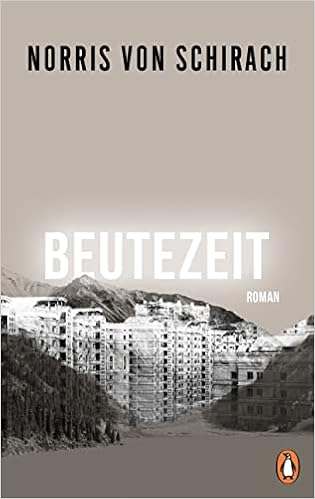 When Vladimir Putin becomes president in January 2000, Anton, a rich commodities trader, flees Moscow. Behind him lie eight breathtaking years in post-Soviet predatory capitalism, ahead of him yawning boredom in the well-off milieu of New York. But even at forty, Anton is still an incorrigible romantic in search of the next thrill. Then a headhunter makes him an enticing offer. Anton is to build up a steel company in Kazakhstan, which is so rich in mineral resources, with money from anonymous sources. The German embarks on the adventure and learns painfully how local clans and insatiable elites ruthlessly defend the loot they have amassed after the fall of the Soviet Union. Nevertheless, Anton finds allies and makes a momentous pact.
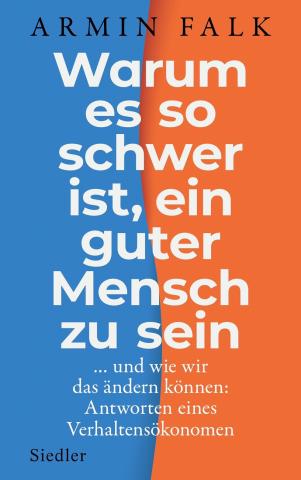 Would you save a life for 100 euros? The answer has to be yes – doesn’t everyone want to do the right thing? But Armin Falk, Germany’s leading behavioural economist, shows that we often do bad things despite wanting to be good, and are far from being as good as we like to think.