
A moving story about a forbidden love, the courage of despair and humanity in the face of disaster.
DIE REBELLIN UND DER DIEB
(The Rebel Girl and the Thief)
by Jan-Philipp Sendker
Blessing/PRH Germany, August 2021
 18-year-old Niri, his parents and siblings have a modest but secure existence as servants in the villa of a wealthy family. Until the pandemic comes, Niri’s entire family is laid off and stares into the abyss of deepest poverty.
The previously well-behaved monastic student does not want to wait for the mercy of an indifferent government and, in the face of growing hardship, rebels against his father’s resignation to fate. Sneaking past the patrols at night through a sealed-off city, he returns to the villa to get what the family needs to survive. Waiting for him there is his childhood friend Mary, who not only gives him food, but has a larger plan that will change the lives of the town and the two of them forever.
The universal story of two lovers from different worlds who learn what matters in the face of disaster: Courage to resist, will to change, and unconditional trust in each other.
Jan-Philipp Sendker, born in 1960, was the US correspondent for Stern magazine from 1990 to 1995, and its Asian correspondent from 1995 to 1999. His first novel, The Art of Hearing Heartbeats and his other books are international best sellers. He lives in Potsdam with his family.
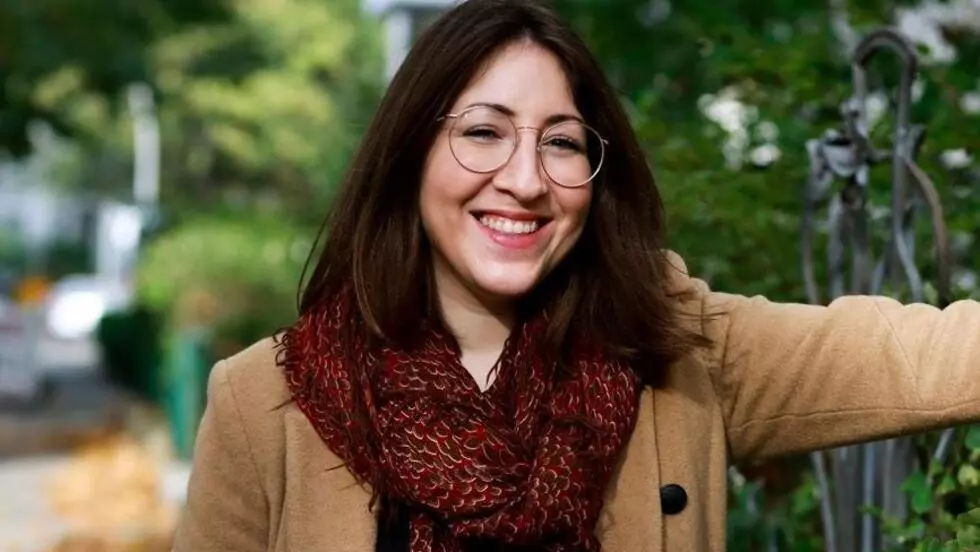 Set in Antwerpen, New York and Jerusalem. Miriam is the only daughter of the famous Antwerpen diomand trader Volvi Halpern, and the family’s hopes are set on her: By marrying her off to a rich New Yorker, they are hoping to save the family business. But Miriam fights their decision. Ever since her birth she carries the burden of an unusual, transcendent old knowledge, she hears voices, she has visions that, like memories from a distant past, burst into her presence. Torn between her family’s expectations and the voices of the past, she is trying to find out what defines her, who she is, and which path she wants to take.
 The smartphone. How could a small device have become so life-defining so quickly? Can we change this situation without having to do without too many things? Christoph Koch says, yes, we can. For many years he has been dealing with the topics of internet abstinence and online addiction. With scientifically supported findings, he explains what is behind all this. Why are apps so addicting? What is happening in the brain? Why is almost no one resistant to it? Which business models are based on this? And what do experts say? Koch’s 30-day challenge shows why it is worth reducing online consumption and how one can benefit both physically and mentally through a more aware interaction with digital media. Motivating, entertaining, easy to implement – a guide for creating a digital balance.
 The nose sits in the middle of the face, yet most people know surprisingly little about it. Yet our ENT department manages a large part of our perception – apart from breathing. Next to the eyes, the nose, ears and throat form our most important connection to the outside world. Dr. Christine Löber explains in best pop science manner how smelling works, where the voice comes from and why cotton swabs have no place in the ear. She makes us impressively aware of the influence the ENT area has on our psyche. And she gives tips on how to keep the throat, nose and ears healthy. The great knowledge book about the throat, nose and ears.
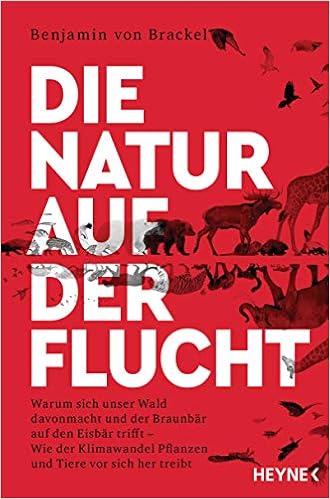 There is something afoot in the world of animals and plants, something which has so far caught too little attention. Wherever they can, animals and plants are moving towards the earth’s poles to flee from rising temperatures and drought in their natural habitats. Tropical zones lose their inhabitants, beavers are settling in Alaska, gigantic shoals of fish disappear just to reappear in front of foreign coastlines. Sea creatures move an average of 72 kilometres a year, land creatures an average of 17 kilometres. In this exciting and vivid book, Benjamin von Brackel describes a phenomenon which demonstrates nature’s impressive adaptability as well as the dramatic consequences of climate change – not the least for humankind, for the migration of species won’t leave us unaffected.