
The deeply researched and definitive account of the invisible emotional work and mental load so often shouldered by women, and the economics of how it is devalued monetarily and socially, as it relates to the workplace, relationships, sex, family life, and much more – providing a new framework and language for a 21st-century feminism, and ideas for how to better share the load.
EMOTIONAL LABOR
by Rose Hackman
Flatiron/St. Martin’s Press, March 2023
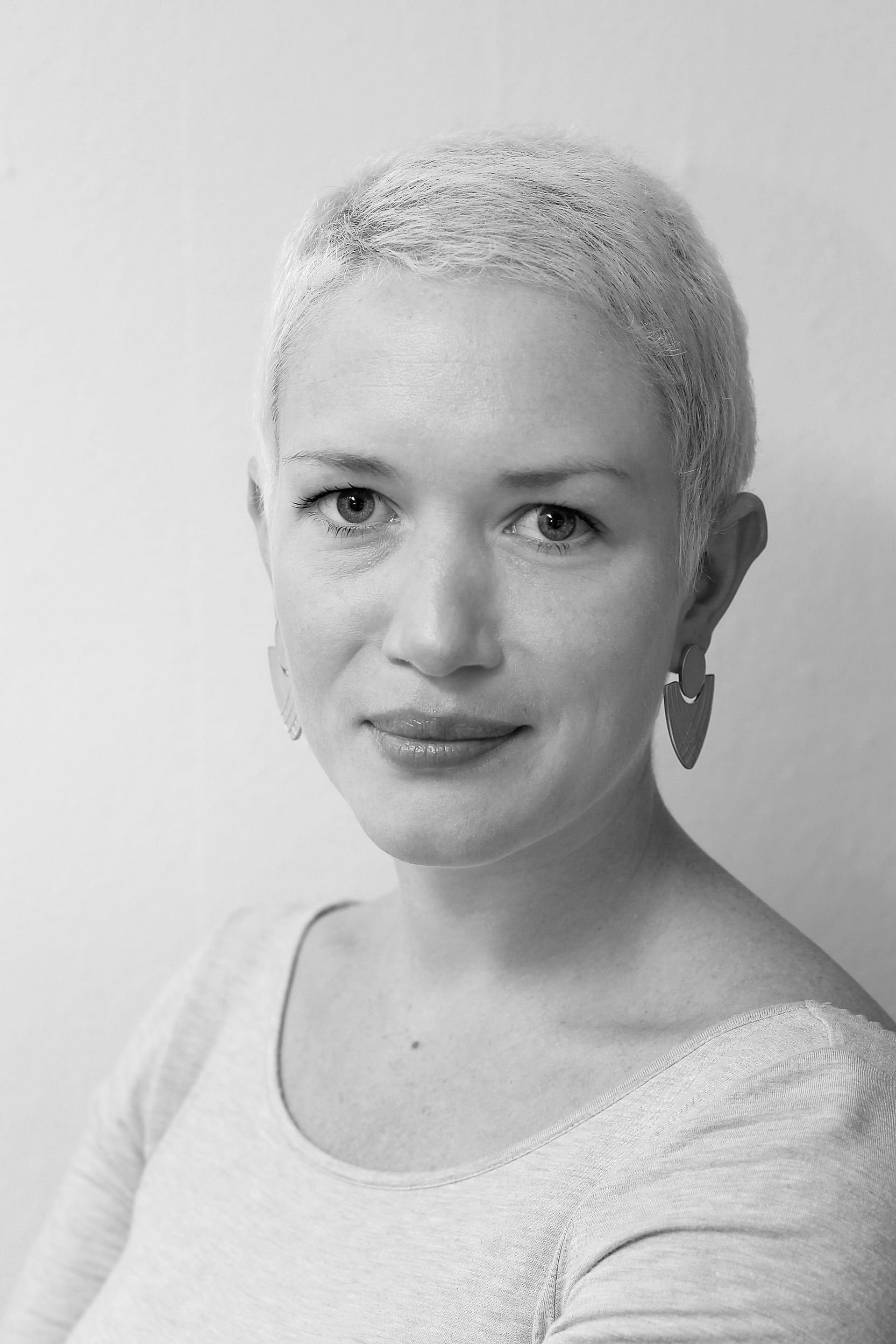 “Emotional labor.” The term might sound familiar, but what does it mean exactly? Originally used to describe the unacknowledged labor flight attendants did to make guests feel welcomed and safe—on top of their actual job description—the phrase has burst through to the national lexicon in recent years. The examples, whispered among friends and posted online, are endless—a woman is tasked with organizing family functions, even without volunteering; a stranger insists you “smile more,” even as you navigate a high stress environment or grating commute. Emotional labor is essential to our society and economy, but many are asked to perform this exhausting, draining work at no extra cost. In this ground-breaking, journalistic deep-dive, Rose Hackman traces the history of the term and exposes common manifestations of the phenomenon. She describes the many ways women and girls are forced to edit the expressions of their emotions to accommodate and elevate the emotions of others. But Hackman doesn’t simply diagnose a problem—she empowers us to combat patriarchy and forge pathways for radical evolution, justice and change. This is a must-have for any feminist reader.
Rose Hackman is a British journalist based in Detroit. Her work on gender, race, labor, policing, housing and the environment – published in the Guardian – has brought international attention to overlooked American policy issues, historically entrenched injustices, and complicated social mores.
 Anti-fatness is everywhere. In WHAT WE DON’T TALK ABOUT WHEN WE TALK ABOUT FAT, Aubrey Gordon unearths the cultural attitudes and social systems that have led to people being denied basic needs because they are fat and calls for social justice movements to be inclusive of plus-sized people’s experiences. Unlike the recent wave of memoirs and quasi self-help books that encourage readers to love and accept themselves, Gordon pushes the discussion further towards authentic fat activism, which includes ending legal weight discrimination, giving equal access to health care for large people, increased access to public spaces, and ending anti-fat violence. As she argues, “I did not come to body positivity for self-esteem. I came to it for social justice.”
 Whilst roughly one in five women are intentionally childless, the media is fascinated by the topic – whether Jennifer Aniston being rumoured to announce an adoption at the
  It’s a given that, as far as work is concerned, nothing these days is a given. The Second Machine Age of self-teaching computers and robots will revolutionise not only the job market, but also redefine what ‘work’ is in the first place, and why we still do it. What happens when machines do so much of the work that economies no longer need to rely on human productivity? Without the old wage labour society of the First Machine Age, our conception of work as defined by the nineteenth century will become a mere appendix – useless and outdated. The big prize we aim for will no longer be full-time work, but self-realisation, and the raffle tickets will change accordingly: society will cease to think of employment as the be-all and end-all, and place greater value on high-quality jobs and workplace conditions.
 FOOLED is a book about why we fall for the schemes of liars, deceivers, marketers, con artists, and anyone else who tries to trick us into believing or doing something in their interest rather than our own. It identifies ten specific reasons why we are easily deceived, drawing upon classic and current research in cognitive psychology and the social sciences to explain exactly how deception works, why all of us are fooled at least some of the time, and how we can avoid being scammed—or even scam the scammers in return. FOOLED is not a book about why people cheat, but about how they manage to get away with it.