
Award-winning climate journalist Eduardo Garcia offers a deeply researched and user-friendly guide to the things we can do every day to reduce climate change. Based on his popular New York Times column « One Thing You Can Do, » this fully illustrated book turns an overwhelming problem into simple actions.
THINGS YOU CAN DO:
How to Fight Climate Change and Reduce Waste
by Eduardo Garcia
illustrations by Sara Boccaccini Meadows
Ten Speed Press, April 2022
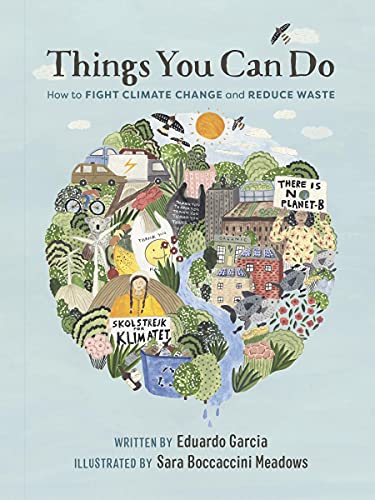 Award-winning climate journalist Eduardo Garcia offers a deeply researched and user-friendly guide to the things we can do every day to fight climate change. Based on his popular New York Times column “One Thing You Can Do,” this fully illustrated book proposes simple solutions for an overwhelming problem. No lectures here—just accessible and inspiring ideas to slash emissions and waste in our daily lives, with over 350 explanatory illustrations by talented painter Sara Boccaccini Meadows.
In each chapter, Garcia digs into the issue, explaining how everyday choices lead to carbon emissions, then delivers a wealth of “Things You Can Do” to make a positive impact, such as:
• Eat a climate-friendly diet
• Reduce food waste
• Cool your home without an air conditioner
• Save energy at home
• Adopt zero-waste practices
• Increase the fuel efficiency of your car
• Buy low-carbon pet food
• Hack your toilet to save water
• Slash the carbon footprint of your online shopping
Delivering a decisive hit of knowledge with every turn of the page, THINGS YOU CAN DO is the book for people who want to know more—and do more—to save the planet.
Eduardo Garcia has written news stories and features from more than a dozen countries in his more than fifteen years as a journalist. A native of Spain, Eduardo cut his teeth working as a Reuters correspondent in Guatemala, Bolivia, Argentina, Colombia, and Ecuador. In recent years, Eduardo has written dozens of stories giving New York Times readers advice on how to reduce their carbon footprint. Eduardo strives to lead a sustainable lifestyle and believes in using words to empower people.
Sara Boccaccini Meadows is a print designer and illustrator living in Brooklyn, New York, originally from the rolling hills of the Peak District, England. Since arriving in New York City, she has been splitting her time between working as a textile designer, illustrator, and artist. She uses watercolor and gouache to create quirky illustrations and has collaborated with many amazing brands, publishers, and agencies.

 In the Victorian language of flowers, hundreds of blooms were ascribed specific meanings based on mythology, science, foreign language, and ancient history. Page through this botanical encyclopedia to learn each flower’s Victorian meaning (blackberry, for example, represents « envy » while ranunculus boldly states, « I am dazzled by your charms »), other common names for the bloom, and read about each flower’s cultural history. There is also an index of the flowers grouped by theme, should you want to challenge your local florist with creating a coded message for a loved one.
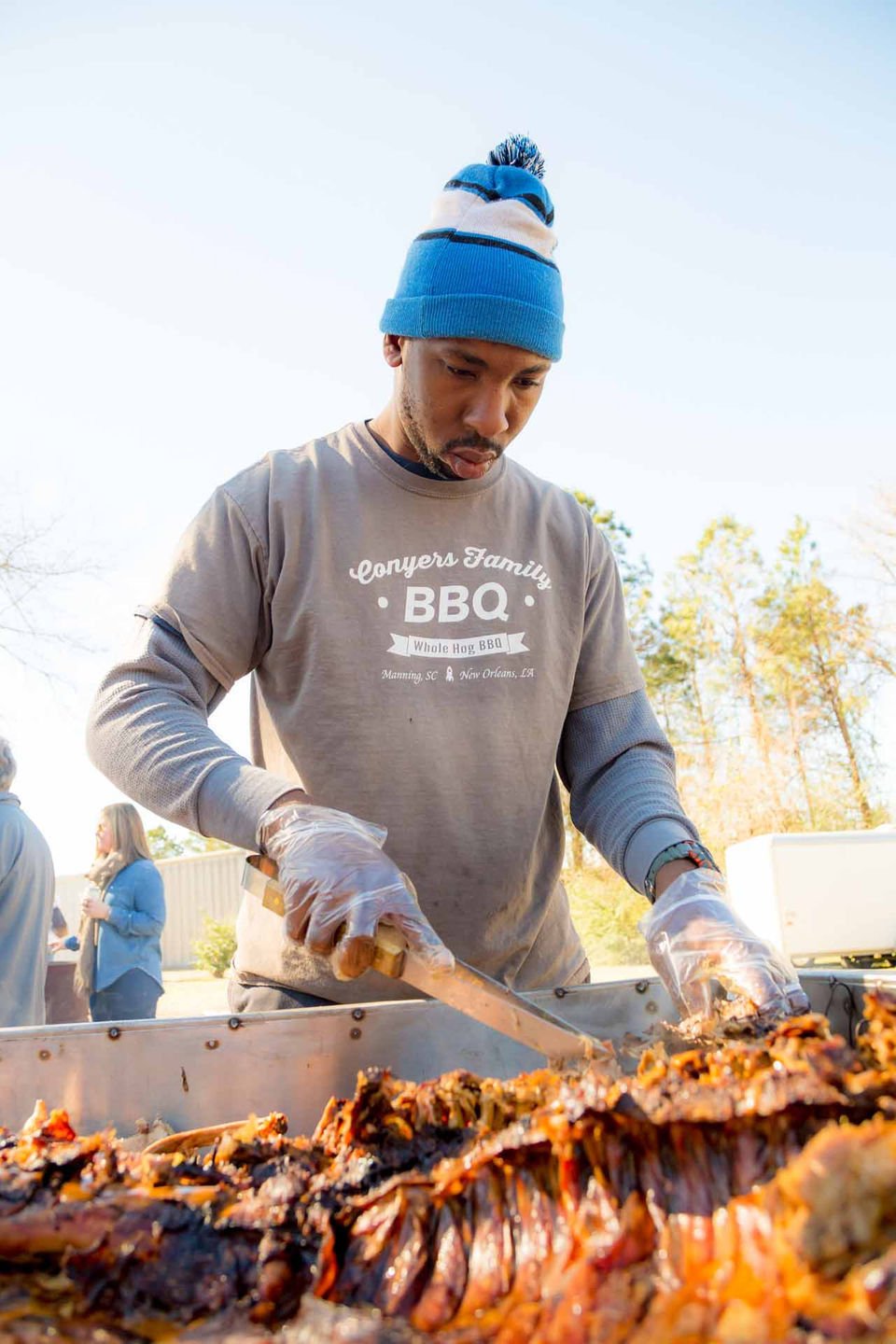 The descendant of farmers and barbecuing masters, Dr. Howard Conyers is a structural dynamicist at NASA by day and a preserver of barbecue history after hours. In THE UNTOLD STORY OF UNITED STATES’ BARBECUE, Dr. Conyers details the real and complete history of barbecue in America, tracing its roots back to the enslaved people who are believed to have brought the practice to the American South to today’s Black experts all across the country. Dr. Conyers shares oral histories and photographs from Black whole-animal barbecue cooks from across the South and describes the traditional methods of roasting hogs and other animals over pits in the ground—a practice that dates back well over 400 years. The history of Black barbecue has never before been fully documented by someone born into the craft, who has uncovered and pieced together the fascinating first-person narratives that finally tell the complete cultural story.
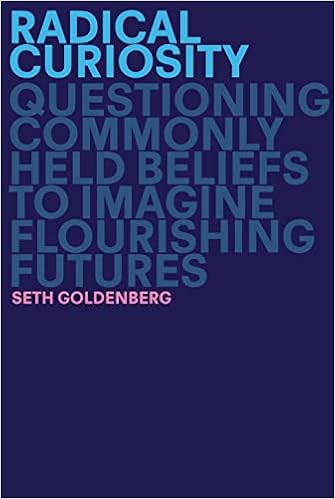 In a world with an endless hunger for innovation, why is it so hard to create audacious change? According to thought leader Seth Goldenberg, the answer to this question stems from how we, as a society, view questions themselves.
 Dr. Alex Jadad is the creator of the Jadad scale, which has become the world’s most widely used methodology to assess the quality of clinical trials, and Tamen Jadad-Garcia is a health entrepreneur and philosopher. Here they combine their expertise to uncover the medical system’s unstable foundations, which condemn you to be ill. The Jadads begin this exploration with a simple question: “What is health?”