
The definitive case that agency – the ability to act boldly and freely to solve problems – is more important than intelligence, revealing how to cultivate a “high agency” mindset in life and business, based on the viral essay by entrepreneur George Mack.
HIGH AGENCY: The Most Valuable Skill in the World
by George Mack
Crown Currency, September 2027
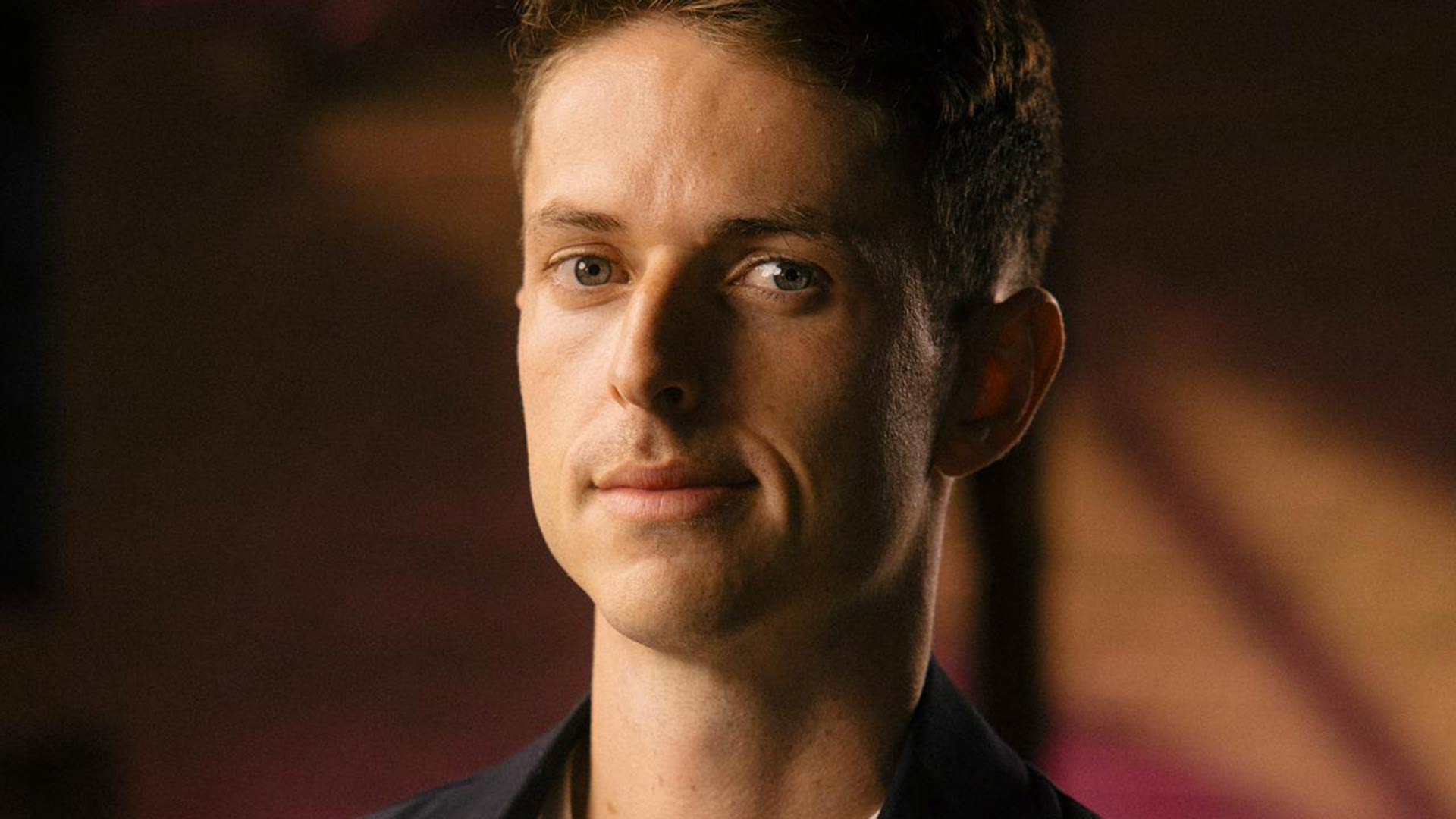 When George Mack asked the internet a deceptively simple question, his essay sparked word-of-mouth sensation. The question: If you were stuck in a foreign jail cell and could only call one person you know for help, who would it be? That’s the highest-agency person you know—someone with the drive and resourcefulness to solve problems that most would consider impossible.
If the optimist sees the glass as half full, and the pessimist sees the glass as half empty, the high agency person sees themselves as a tap that fills up the glass. Expanding the idea into a full operating system, Mack argues that agency is the most important skill of the 21st century, eclipsing intelligence, and breaks down the traps that shrink people into a low agency mindset.
With its unique blend of playful yet instructive stories, from Christopher Nolan to the Wright Brothers, and practical tools like the high agency spectrum, this is a modern playbook for ambitious and daring entrepreneurs, creatives, and professionals eager to get off autopilot and seize control of their lives.
George Mack is a British entrepreneur and writer known for turning psychological insights into ideas that spread. His work has gained a cult following, and he is the most frequent guest on the Modern Wisdom podcast, one of the top 10 podcasts in the world. His signature “high agency” question has been featured on both The Joe Rogan Experience and The Diary of a CEO. Mack has 500k followers across X, LinkedIn, Substack, and his newsletter. He lives in Austin, Texas.
 Whether you’re a twenty-five-year-old facing corporate dread, a thirties-something climbing the professional ranks or a forty-plus executive wondering why you spent your youth perfecting PowerPoint fonts, THE ZEN HUSTLE CODE shows you how to excel in both your career and in your life.
 Jonathan McNeill had already founded and sold six startups when Sheryl Sandberg introduced him to Elon Musk, who was looking for help at Tesla. McNeill was steeped in the lean principles that had made Toyota a global powerhouse—principles focused on achieving efficiency and optimization by incrementally improving existing systems and processes. What he learned from Elon at Tesla was its antithesis, an approach that required radical rethinking to explode the status quo, attack complexity, and set seemingly unrealistic goals.
  Today, Shazam is one of the most iconic and widely used apps in the world, with a brand name so recognizable that it has become a verb. But what few people know is that it was invented before smartphones existed. Chris dreamed up Shazam in 1999, when people were still buying CDs and carrying around portable CD players with wired headsets. There was no Bluetooth, Wi-Fi, and certainly no App Store. The closest thing to streaming music was the illegal sharing of digital files on platforms like Napster. There was no Facebook, Instagram, or even Myspace. Chris’s idea, that anyone, anywhere, could use their phone to identify a song playing in the background, sounded like science fiction. More than 100 experts told him it couldn’t be done, but Chris refused to give up. Instead, he assembled a dream team of brilliant minds—engineers, scientists, and business thinkers—who shared his vision (after some persuasion). United by a shared sense of purpose and determination, they set out to build the impossible from scratch. Together, they would develop the technology that would power the world’s first AI-driven consumer tool, years before anyone had even heard the word “app.” What followed was an eighteen-year odyssey marked by near-bankruptcy, groundbreaking innovation, sabotage, fierce competition with behemoths like Google and Sony, and bitter internal battles among team members. Through every setback and betrayal, Chris never gave up on his vision, and he continued to fight to keep Shazam on course. In the end, the idea that no one thought could work became a global phenomenon. This is more than a tech success story. It’s a deeply human, often emotional narrative about vision, grit, and the power of believing in the impossible.
 Whether you’re dealing with constant demands, the pressure to perform, or the stress of adapting to rapid changes, the workplace is often where you’re tested the most mentally and emotionally. As psychotherapist, speaker, and podcast host Amy Morin discovered, sharpening your mental strength is the key to not only tackling workplace challenges but taking your performance to the next level. The Mental Strength Playbook is specifically designed to help you thrive professionally, with 50 scientifically proven plays you can use right now.