The internet as we know it is broken. Here’s how we can seize back control of our lives from the corporate algorithms and create a better internet—before it’s too late.
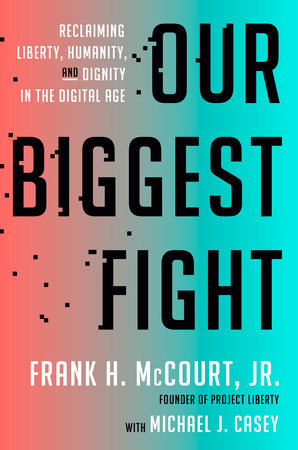
OUR BIGGEST FIGHT
Reclaiming Liberty, Humanity, and Dignity in the Digital Age
by Frank H. McCourt, Jr. with Michael Casey
Crown Hardcover, March 2024
Information is the lifeblood of any society, and our current system for distributing it is corrupted at its heart. Everything comes down to our ability to communicate openly and trustfully with each other. But, thanks to the dominant digital platforms and the ways they distort human behavior, we have lost that ability—while, at the same time, we’ve been robbed of the data that is rightfully ours.
The roots of this crisis, argue Frank McCourt and Michael Casey, lie in the prevailing order of the internet. In plain but forceful language, the authors—a civic entrepreneur and an acclaimed journalist—show how a centralized system controlled by a small group of for-profit entities has set this catastrophe in motion and eroded our personhood.
And then they describe a groundbreaking solution to reclaim it: rather than superficial, patchwork regulations, we must reimagine the very architecture of the internet. The resulting “third-generation internet” would replace the status quo with a new model marked by digital property rights, autonomy, and ownership.
Inspired by historical calls to action like Thomas Paine’s Common Sense, OUR BIGGEST FIGHT argues that we must act now to embed the core values of a free, democratic society in the internet of tomorrow. Do it right and we will finally unlock its immense potential.
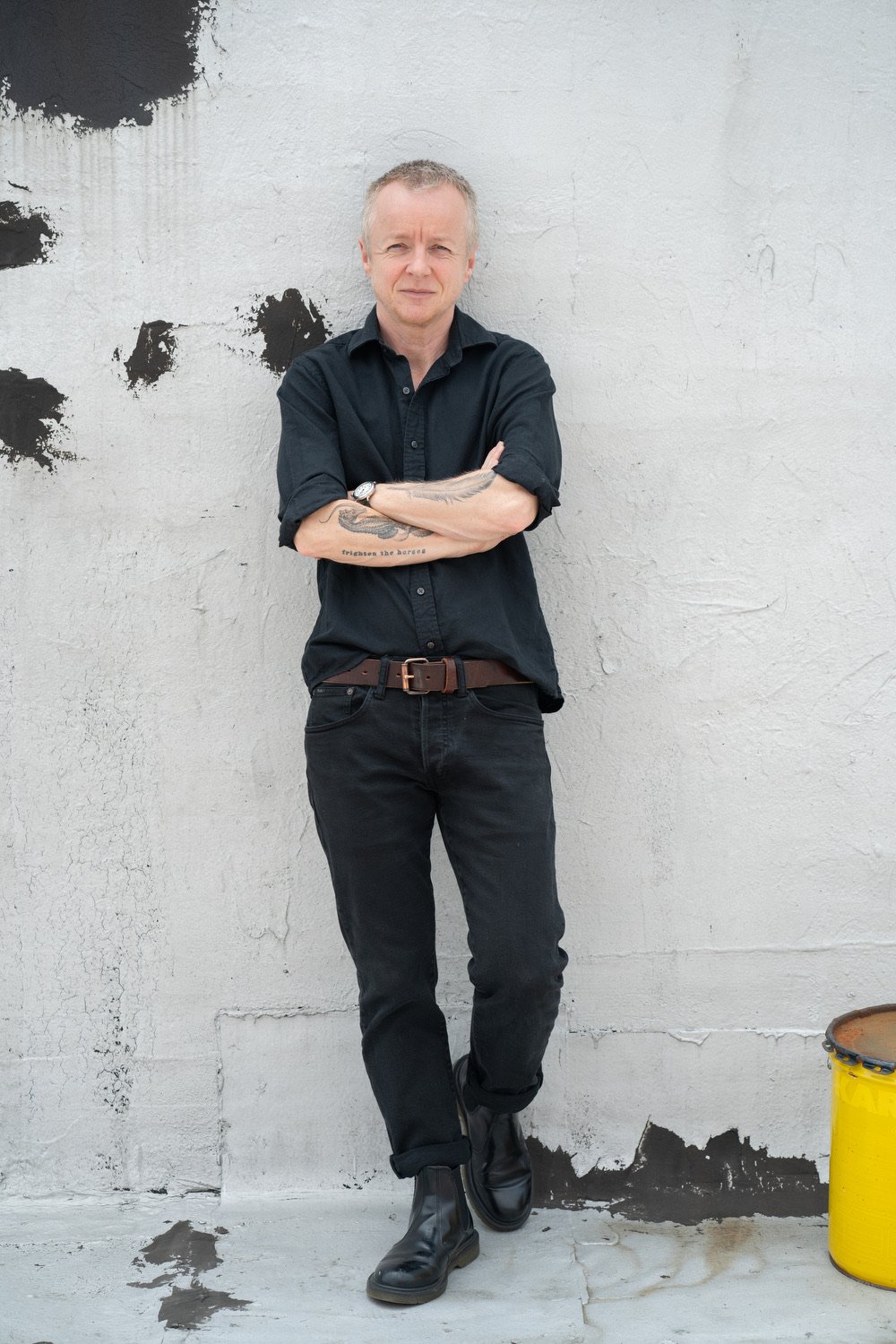
Frank H. McCourt, Jr. is the executive chairman and former CEO of McCourt Global, as well as the founder and executive chairman of Project Liberty, a visionary effort to transform the internet through a new, equitable technology infrastructure and rebuild social media in a way that enables users to own and control their personal data.
Michael J. Casey is chief content officer at CoinDesk, a podcaster and the chairman of the Consensus conference. He has worked as a journalist on five continents, including 18 years with Dow Jones and The Wall Street Journal. Casey’s previous books include The Age of Cryptocurrency, The Social Organism, and The Truth Machine.
 When Gracie Gold stepped onto center stage (or ice, rather) as America’s sweetheart at the 2014 Sochi Olympics, she instantly became the face of America’s most beloved winter sport. Beautiful, blonde, Midwestern, and media-trained, she was suddenly being written up everywhere from The New Yorker to Teen Vogue to People and baking cookies with Taylor Swift.
 Research shows that 1 in 7 of us across the globe is addicted to ultra-processed foods (UPFs), with 1 in 8 children also addicted to UPFs. Often labelled as ‘healthy’, UPFs are everywhere we look – in our shopping baskets, our children’s lunch boxes and our kitchen cupboards. Yet research has shown these foods are synonymous with ill-health and a litany of chronic conditions, such as type 2 diabetes, cancer and cardiovascular disease.
 When Cody Delistraty lost his mother to cancer in his early 20s, he found himself unsure how to move forward. Planning for her recovery, he and his family had a purpose. But after she was gone, there seemed to exist only the empty advice on grief: move through the five stages, achieve closure, get back to work, go back to normal. So begins a journey into the new frontiers of grief, where Delistraty seeks out the researchers, technologists, therapists, marketers, and communities around the world looking to cure the pain of loss in novel ways. From the neuroscience of memory deletion to book prescriptions, laughter therapy, psilocybin, and Breakup Bootcamp, what ultimately emerges is not so much a cure as a fresh understanding of what living with grief truly means.