
The first book worldwide by a survivor of the Chinese concentration camps.
ORT OHNE WIEDERKEHR
(A Place of No Return)
by Mihrigul Tursun & Andrea Claudia Hoffmann
Heyne/ Penguin Random House Verlagsgruppe, February 2022
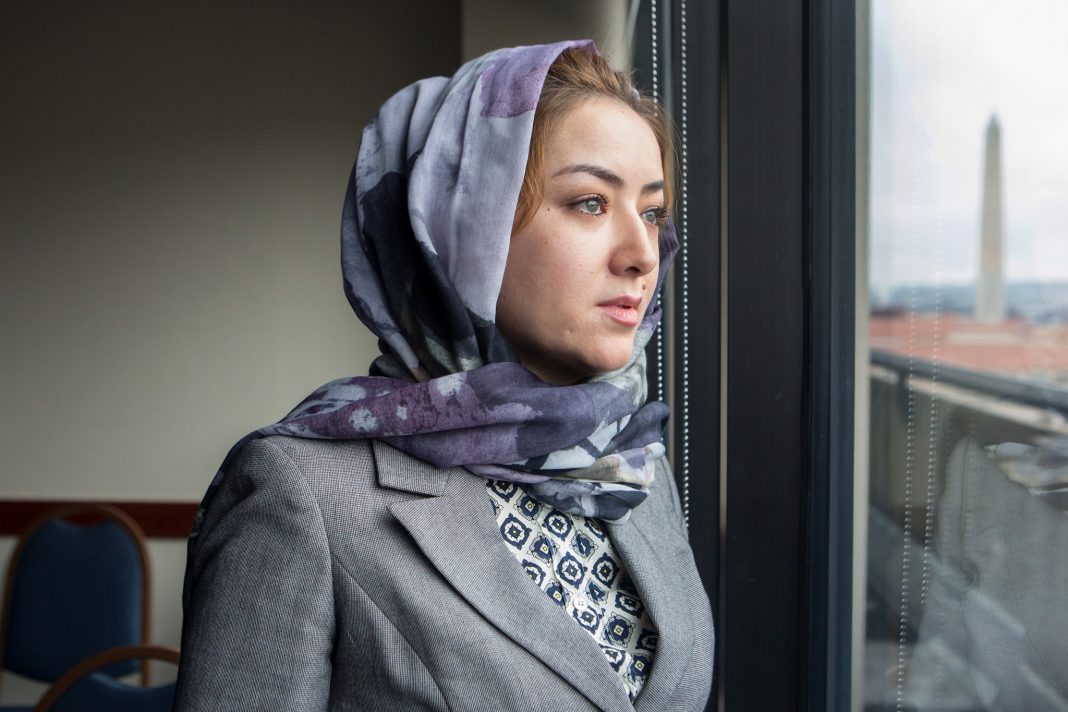 Human rights organisations and governments speak of a crime against humanity, a « cultural genocide ». Mihrigul Tursun has repeatedly been a victim of Chinese efforts to totally assimilate the Uyghur minority. She experienced the so-called « re-education camps » in their indescribable cruelty, the physical and psychological violence, first hand. In a way that remains unexplained to this day, her young son died while she was imprisoned. Today, despite the threat that has not disappeared even in exile, she has the courage to speak openly about what she experienced and to describe from her own experience what the Uyghur minority in China has to endure. A significant eyewitness account that brings the reader closer to the people behind the news from China.
Uyghur Mihrigul Tursun, born in 1989, was imprisoned several times in the Chinese « re-education camps » of Xinjiang. During her detention, one of her sons died in Chinese custody under unexplained circumstances. On 28 November 2018, Mihrigul Tursun gave her harrowing testimony before the US Congress (Congressional-Executive Commission on China). She described the inhumane conditions and torture methods in the camps. In December 2018, Tursun was awarded the Citizen Power Award.
Andrea C. Hoffmann works in the political editorial department of the news magazine Focus and teaches at various German universities. Her books have been translated into 17 languages worldwide.
https://upload.wikimedia.org/wikipedia/commons/a/a4/Mihrigul_Tursun.jpg
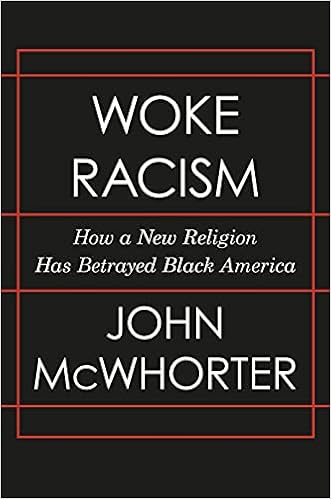 Americans of good will on both the left and the right are secretly asking themselves the same question: how has the conversation on race in America gone so crazy? We’re told to read books and listen to music by people of color but that wearing certain clothes is “appropriation.” We hear that being white automatically gives you privilege and that being Black makes you a victim. We want to speak up but fear we’ll be seen as unwoke, or worse, labeled a racist. According to John McWhorter, the problem is that a well-meaning but pernicious form of antiracism has become, not a progressive ideology, but a religion—and one that’s illogical, unreachable, and unintentionally neoracist.
 Throughout history, new technologies have disrupted our capacity to make sense of the world, from the printing press to the telegraph, from radio to television. OUTRAGE MACHINE explores the serious recent disruption caused by social media, and how it has triggered an urgent society-wide crisis of trust. Drawing from deep historical context, as well as cutting-edge research, author, designer, and media researcher Tobias Rose-Stockwell shows how social media has bound us to an unprecedented outrage machine, training us to react rather than reflect, and attack rather than debate.
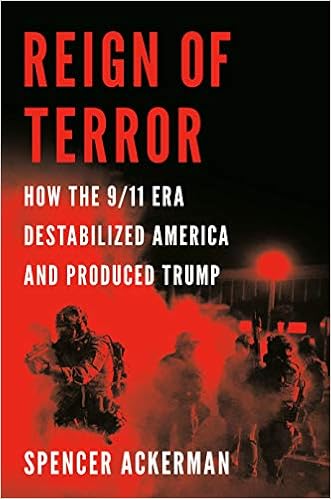 For an entire generation, at home and abroad, the United States has waged an endless conflict known as the War on Terror. In addition to multiple ground wars, it has pioneered drone strikes and industrial-scale digital surveillance, as well as detaining people indefinitely and torturing them. These conflicts have yielded neither peace nor victory, but they have transformed America. What began as the persecution of Muslims and immigrants has become a normalized, paranoid feature of American politics and security, expanding the possibilities for applying similar or worse measures against other targets at home. A politically divided country turned the War on Terror into a cultural and then tribal struggle, first on the ideological fringes and ultimately expanding to conquer the Republican Party, often with the timid acquiescence of the Democratic Party. Today’s nativist resurgence walked through a door opened by the 9/11 era.
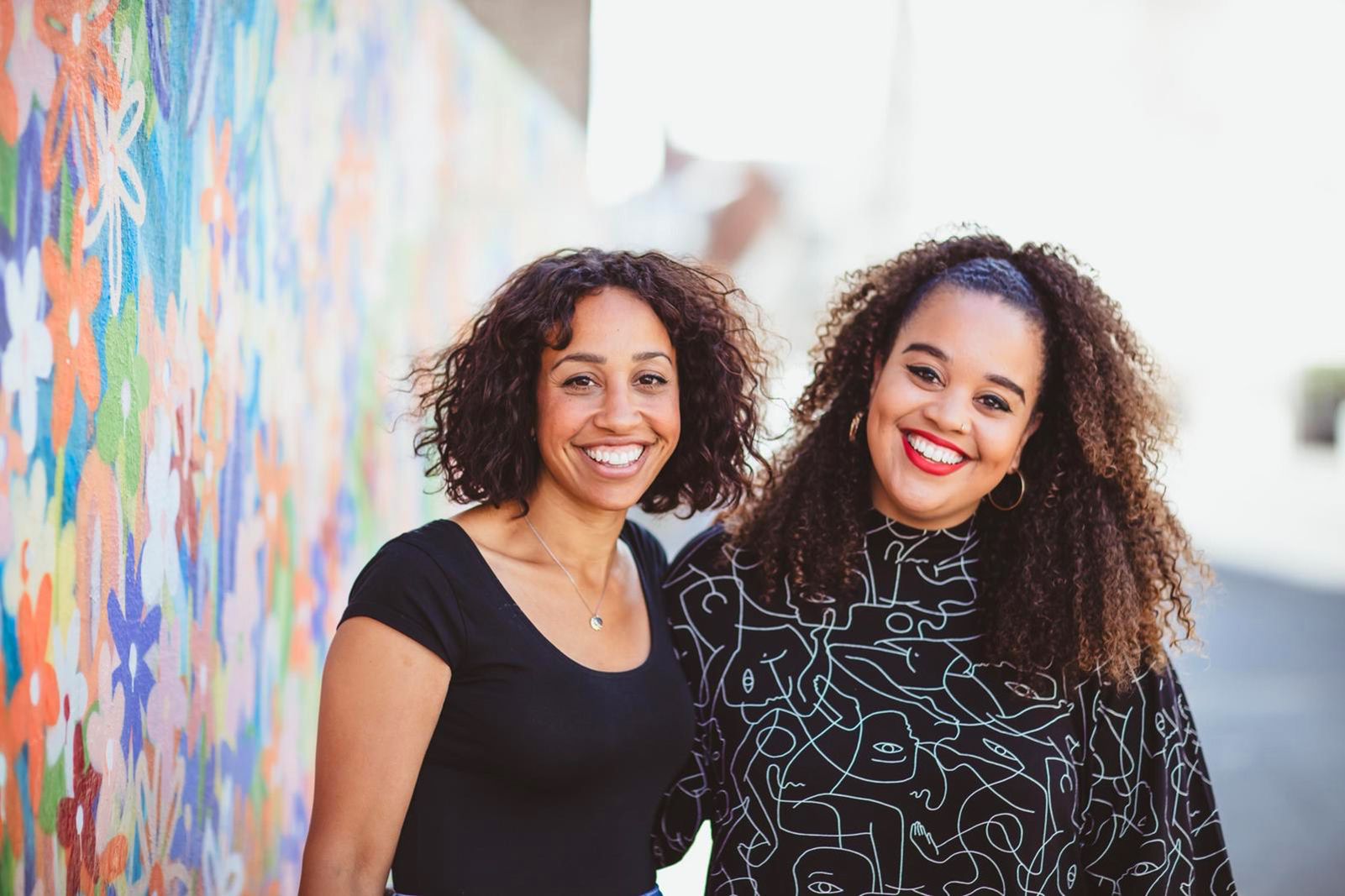 In the last census, Britain recorded over 1.2 million people who identified as mixed race. 6% of children under the age of 5 identify as mixed race, a higher number than any other Black and ethnic minority group in the country. So, why is it so hard for mixed race people to navigate their identity?