
Set in a beach-shack town an hour from Melbourne, THE WAY IT IS NOW tells the story of a burnt-out cop named Charlie Deravin.
THE WAY IT IS NOW
by Garry Disher
Text Publishing (Australia), November 2021
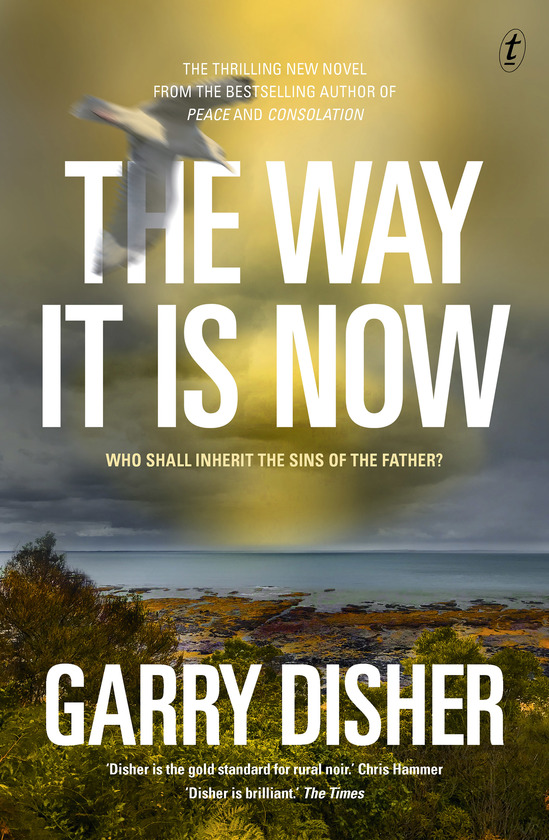 Twenty years ago Charlie Deravin’s mother went missing near the family beach shack—believed murdered; body never found. His father has lived under a cloud of suspicion ever since. Now Charlie’s back living in the shack in Menlo Beach, on disciplinary leave from his job with the police sex-crimes unit, and permanent leave from his marriage. After two decades worrying away at the mystery of his mother’s disappearance, he’s run out of leads. Then the skeletal remains of two people are found in the excavation of a new building site—and the past comes crashing in on Charlie.
THE WAY IT IS NOW is the enthralling new novel by Garry Disher, one of Australia’s most loved and celebrated crime writers.
Garry Disher has published over fifty titles across multiple genres. With a growing international reputation for his best-selling crime novels, he has won four German and three Australian awards for best crime novel of the year, and been longlisted twice for a British CWA Dagger award. In 2018 he received the Ned Kelly Lifetime Achievement Award.
 We all know the gut-wrenching pang that comes after accepting a beautiful moment will soon become a distant memory. We all get into cycles where it feels like the failures and disappointments just keep coming. Instagram comics artist Alison Zai presents WEIRD TO EXIST, a collection of 100 comics that depict these universal emotions and existential musings with great accuracy and empathy.
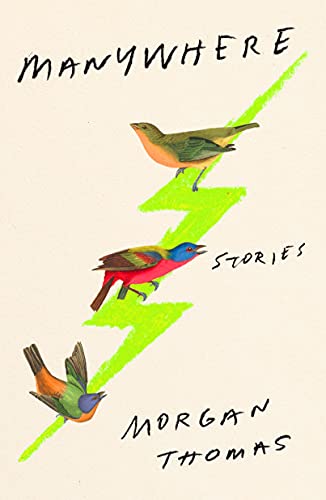 The nine stories in Morgan Thomas’s shimmering debut collection MANYWHERE witness Southern queer and genderqueer characters determined to find themselves reflected in the annals of history, at whatever cost. As each character traces deceit and violence through tall tales and their own pasts, their journeys reveal the porous boundaries of body, land, and history, and the sometimes ruthless awakenings of self-discovery.
 What if her mother was right about her all along? Rhett Smith fled the woman who taught her to protect her heart, hide her feelings and trust no one except herself for two decades of adventurous work, travel and reinvention, relying on her tougher alter ego, The Modern Pioneer Girl, for support and guidance, then wrote a popular book about it.
 On an early-April dawn in 2003, in a Portland hospital far from the Rummani family’s ancestral home in Palestine, a stillborn baby girl comes back to life and turns a vibrant cobalt blue. On the same day, the Rumanni’s beloved soap factory in Nablus is destroyed in a bombing. To Nuha, the girl’s great-aunt, there’s no question that this inexplicable child somehow embodies their sacred family history, when the Rummanis were among the wealthiest soap-makers and their blue soap was a symbol of a famous, unlikely love.