
Warm, insightful, and witty, the first book of advice from New York Times bestselling author Jenny Lawson—aka the Bloggess.
HOW TO BE OKAY WHEN NOTHING IS OKAY:
Tips and Tricks That Kept Me Alive, Happy, and Creative in Spite of Myself
by Jenny Lawson
Penguin Life, March 2026
(via Sterling Lord Literistic)
 Jenny Lawson is full of contradictions. She’s a celebrated author but battles self-doubt, paralysis, and anxiety. She’s an award-winning humorist but struggles with treatment-resistant depression. The questions people most often ask her are, “How do you do it? How do you keep going even when it feels impossible? How do you keep creating?” This book is her answer.
In HOW TO BE OKAY WHEN NOTHING IS OKAY, Jenny shares more than one hundred humorous, heartfelt, and genuine tools and tricks that she relies on to keep her going even when her brain isn’t working properly due to depression, anxiety, and ADHD. She also offers tips to stay passionate and focused on creative endeavors, especially when everything around you is saying to give up.
With chapters like “Wash Your Brain More Than You Wash Your Bra” (sleep, you beautiful human), “Working on Easy Mode Is Still Working” (asking for accommodations is okay!), “Celebrate Good Times, Come On!” (make it a habit to celebrate the good things), and many more, How to Be Okay When Nothing Is Okay is a balm and companion, reminding us all that we are not alone. It’s for anyone who struggles with self-doubt, guilt, motivation, and mental blocks and wants to rekindle their passion for creating. Funny, simple, empathetic, and full of hope, it will encourage you not to just survive but to find and curate joy in the face of difficult times.
« …A witty roundup of coping strategies for navigating anxiety, creative block, and distraction…Lawson’s at her most winning when she’s relating her personal mishaps…to show how ordinary embarrassment can be reframed as evidence of persistence rather than failure. The result is an irreverent, idiosyncratic grab bag of tactics for getting through tough mental health days. » —Publisher’s Weekly
“Uplifting, encouraging and incredibly inspiring, this latest from humorist and blogger Lawson (Broken) is filled with hilarious and heartfelt practical advice for creatives and people struggling with their mental health… Thanks to Lawson’s humor, frankness, and insight, her book ends up being much more than just another standard self-help guide. Lawson’s words will likely bring comfort and aid to readers with anxiety, chronic illness, ADHD, and depression in the times when they might be struggling the most. —Library Journal, starred review
« How to Be Okay When Nothing Is Okay is wise and funny and a reminder that you don’t have to be perfect in imperfect times (which is always). I hope Jenny Lawson never gets tired of being an actual national treasure. »—John Scalzi, New York Times bestselling author of Starter Villain
Jenny Lawson has published four New York Times bestsellers, including Let’s Pretend This Never Happened and Furiously Happy. She is the owner and proprietress of Nowhere Bookshop, a beloved independent bookstore and bar in San Antonio, Texas. She’s been writing her popular, award-winning blog (thebloggess.com) for over 15 years and has a very large social media following on X, Instagram, Facebook, and Threads.
 Muse, secretary, wife: these are some of the labels used to describe the women whose influence on history has been erased. Their achievements have brought honour and fame to the men close to them – such as Karl Marx, Bertolt Brecht and Albert Einstein, who couldn’t have done what they did without their female friends, daughters or lovers – but they themselves remain largely unknown. The list includes scientists like Rosalind Franklin and Lise Meitner, who, unlike their male colleagues, were never celebrated for their discoveries; and authors and artists like Marie Hirsch, Lou Andreas-Salomé and Hedwig Thun, who hid behind male pseudonyms all their lives in order to be taken seriously. In « Stolen Fame », Schöler tells their stories, introducing us to the women who changed human history and showing that there are still issues around participation and visibility. Behind every successful man is a system that empowers him – and that system stands in every woman’s way.
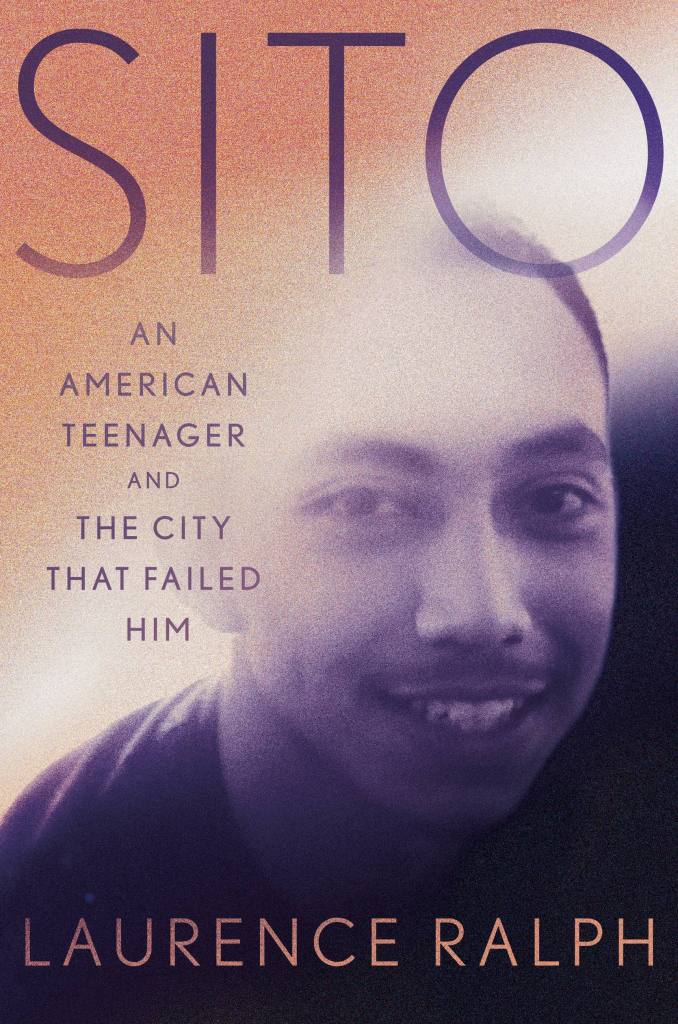 In September of 2019, Luis Alberto Quiñonez—known as Sito— was shot to death as he sat in his car in the Mission District of San Francisco. He was nineteen. His killer, Julius Williams, was seventeen. It was the second time the teens had encountered one another. The first, five years before, also ended in tragedy, when Julius watched as his brother was stabbed to death by an acquaintance of Sito’s. The two murders merited a few local news stories, and then the rest of the world moved on. But for the families of the slain teenagers, it was impossible to move on. And for Laurence Ralph, the stepfather of Sito’s half-brother who had dedicated much of his academic career to studying gang-affiliated youth, Sito’s murder forced him to revisit a subject of scholarly inquiry in a deeply personal way. Written from Ralph’s perspective as both a person enmeshed in Sito’s family and expert on the entanglement of class and violence, SITO is an intimate story with an message about the lived experience of urban danger, and about anger, fear, grief, vengeance, and ultimately grace.
 Too many women depend on external approval to define their self worth. While that desire might initially drive people to high-performing jobs, it secretly sabotages their chances of the fulfilling life and career they desire. Brooke Taylor has transformed the lives of more than 5,000 high-achieving women in business by healing what she calls “the success wound” – the pain that comes from a person’s mistaking success for her self-worth.
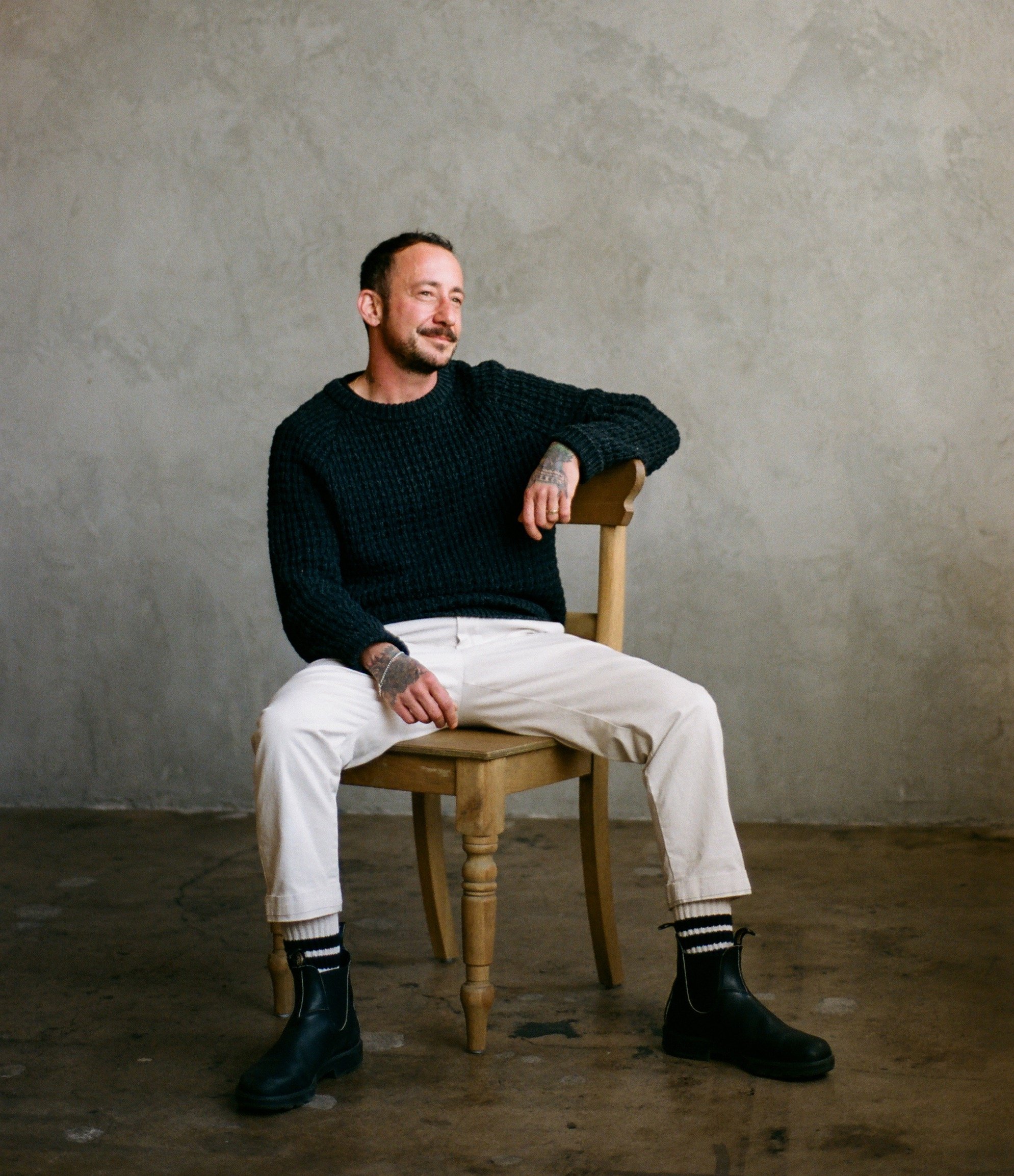 Thomas Page McBee is at 42, he writes, one of the oldest trans people he knows, an “elder,”—and he’s also 12, “a man without a boyhood, alive at the end of the world.” Time is linear, but it’s also cyclical. This moment, with its fever-pitch of anti-trans rhetoric, a broken political system, not to mention climate change, can feel like the end of the world—as have other moments in our history. And yet, as Thomas writes, “the future is already here.” The seeds of what is to come already exist. We need to be asking different and better questions.