
THE GRIEVING BRAIN:
How Our Neurons Map Love and Loss
by Mary-Frances O’Connor
Harper One, March 2022
 There is the initial pain of loss, and then there is the grieving. We have long assigned grief to the realm of nebulous emotions, but we now know that the brain creates those emotions in response to many outside factors. Neuroscientist Mary-Frances O’Connor has been studying the effects of grief on the brain and body for more than twenty years, and the clues she has found as to how we cope with loss turn out to be rooted in how we fall in love. In THE GRIEVING BRAIN, she explores this new territory and explains what happens inside the brain when we become attached to another and then lose that loved one—and why it can be so difficult to imagine a future without them. (Hint: Sometimes the brain leads us to believe the death is just not true.)
For readers of popular science such as Bessel van der Kolk’s The Body Keeps the Score and Lisa Feldman Barrett’s How Emotions Are Made, as well as Joan Didion’s memoir of loss, The Year of Magical Thinking, THE GRIEVING BRAIN offers remarkable insight into the inner workings of our minds and the evolution of grief. O’Connor’s explanation of the brain’s reaction to loss is an inspiring look at love. And her discovery, that we should think of grief as a form of learning, is a bold new perspective on a timeless struggle.
Mary-Frances O’Connor is the award-winning director of the Grief, Loss and Social Stress (GLASS) Lab, and an associate professor of psychology at the University of Arizona. She earned her degrees in psychology from Northwestern and in clinical psychology from the University of Arizona, and she completed her clinical training at the UCLA Neuropsychiatric Institute and Hospital and her post-doctoral fellowship at the Cousins Center for Psychoneuroimmunology at the UCLA Semel Institute for Neuroscience and Human Behavior. In 2017, she received the American Psychosomatic Society’s 75th Anniversary Award, given in recognition of her important career contributions in the field of mind-body medicine. She has previously appeared on NPR’s Morning Edition and Good Morning Tucson, and has been featured in the New York Times and Psychology Today, among many others.
 Despite being a trained midwife, Illiyin’s own birth experience was traumatic and led her to examine the effects of birth trauma more deeply. She has grown to appreciate the need for greater understanding of what took place during childbirth and why, in order to facilitate healing during the postnatal period. Using her own experience as a midwife and mother Illiyin plans to dispel myths and taboos around pregnancy and give women and birthing people the tools to manage and alleviate the effects of birth trauma. Illiyin will also be giving practical tips and exercises throughout the book to help readers understand and manage any birth related trauma while transitioning into postnatal life – whether it is the first or fifth baby.
 The nose sits in the middle of the face, yet most people know surprisingly little about it. Yet our ENT department manages a large part of our perception – apart from breathing. Next to the eyes, the nose, ears and throat form our most important connection to the outside world. Dr. Christine Löber explains in best pop science manner how smelling works, where the voice comes from and why cotton swabs have no place in the ear. She makes us impressively aware of the influence the ENT area has on our psyche. And she gives tips on how to keep the throat, nose and ears healthy. The great knowledge book about the throat, nose and ears.
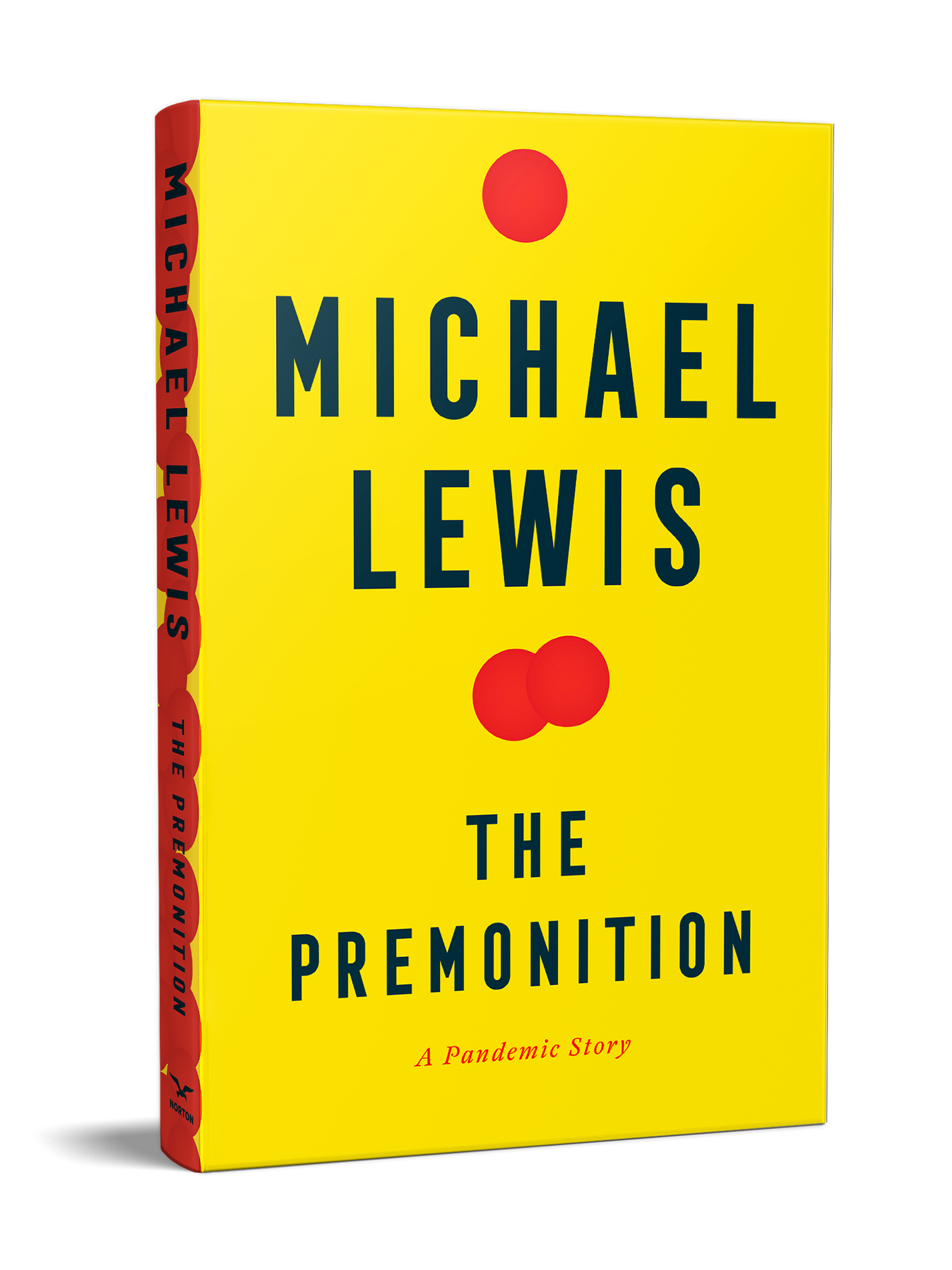 The news out of China was not good: there were signs that a new disease might be big―scary big, like a brushfire coming at you uphill. Authorities, medical and political, saw no reason to worry and little need for tests. Michael Lewis’s riveting nonfiction thriller pits a rogue band of visionaries, working under the radar, against the weight and disinterest of officialdom. It is a race against time, and the deadline is now… or yesterday.
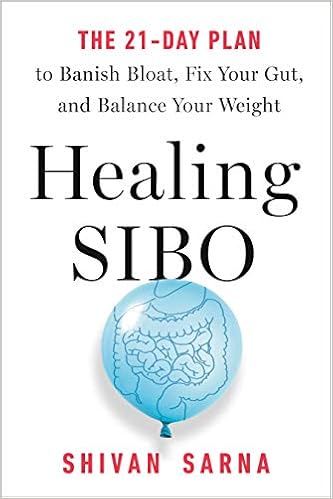 Even as millions of Americans suspect they’re suffering from a gastrointestinal disorder, they may spend years in pain before they figure out just what’s going on with their gut. And while irritable bowel syndrome (IBS) is commonly diagnosed, SIBO, a disorder with basically all the same symptoms, is not. So, what is SIBO? The acronym stands for Small Intestine Bacterial Overgrowth, a disorder in which bacteria that usually grow in other parts of the gut start to proliferate and take up residence in the small intestine. This causes a whole confluence of symptoms, ranging from bloating and cramps, to uncontrollable weight gain or weight loss, to even malnutrition when the bacteria eat up vital nutrients from our food. Even though several studies have shown that as many as 84 percent of patients with IBS also tested positive for SIBO, it remains understudied and underdiagnosed. After decades of dealing with debilitating symptoms with no relief, Shivan Sarna’s life changed when she was diagnosed with SIBO. As she eliminated her symptoms one by one through lifestyle changes and help from her physicians, she started to synthesize her personal experiences with Western and naturopathic medicine and dedicate herself to advocating for those suffering from SIBO, or those who think they could be.