
How can we be more mindful when the world is this f*cked up? HOW TO STAY HUMAN IN A F*CKED UP WORLD is the fresh, engaging answer to this important question.
HOW TO STAY HUMAN IN A F*CKED UP WORLD:
Mindful Practices for Real Life
by Tim Desmond
HarperOne, June 2019
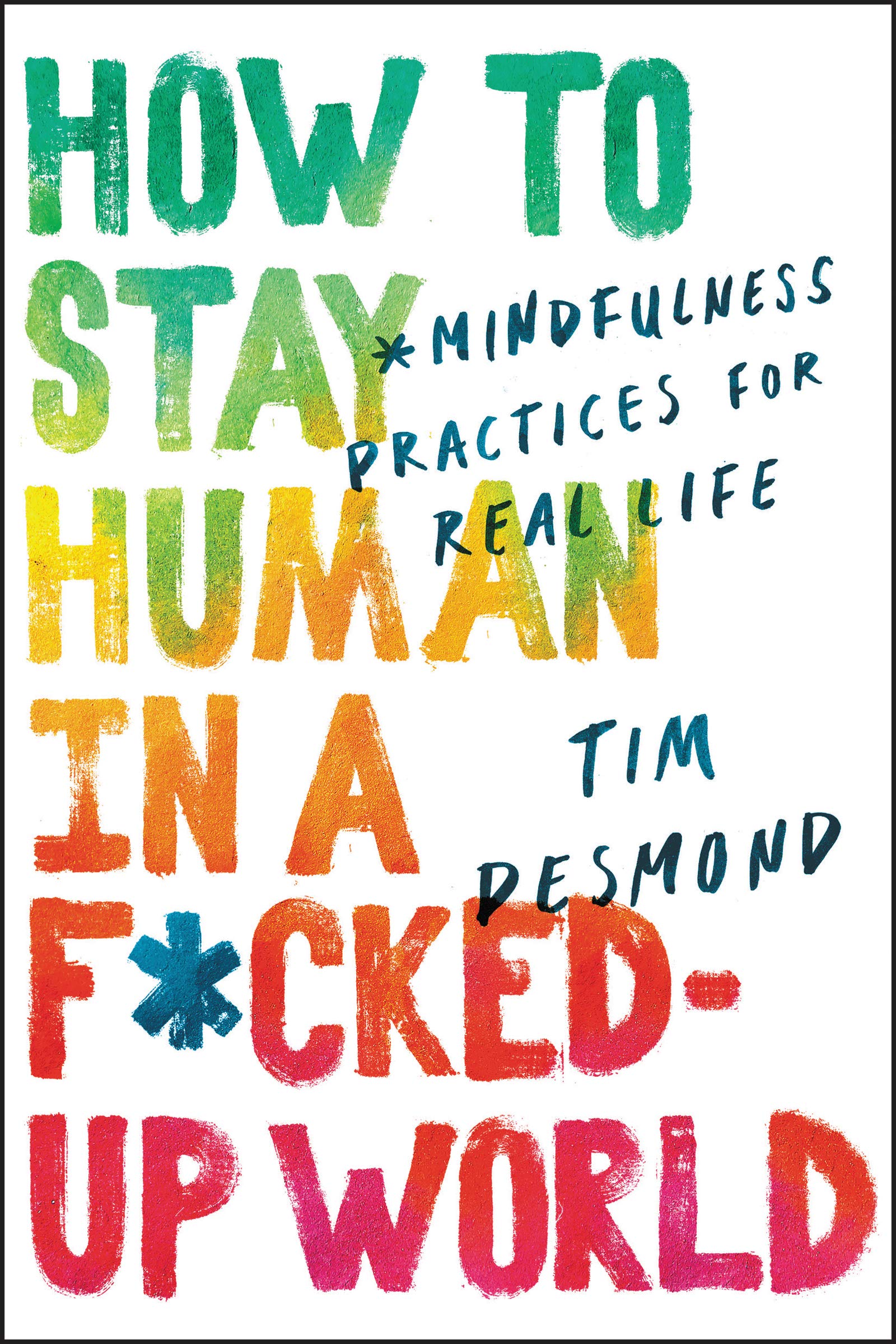 If you’ve tried mindfulness before and failed, we get it. Likely you were told to sit on a pillow in a dark room, meditate, or count your breaths. But mindfulness isn’t about separating ourselves from the problems in the world. Instead, it is about re-learning how to get out there, connect with the suffering of every living being and in so doing, embrace your own personal suffering to heal, transform, grow, and finally find peace. Tim Desmond—an esteemed Buddhist philosopher who has lectured on psychology at both Harvard and Yale and studied under Zen master Thich Nhat Hanh—has spent his life cultivating new ways to bridge the gap between the ancient tradition of mindfulness and modern life. With How to Stay Human in a F*cked Up World Desmond gets right to the heart of our collective pain with a life-changing mindfulness practice for surviving the sometimes-miserable world we live in, featuring strategies and guidance you can start using to feel more connected, joyful, and present today.
Timothy Ambrose Desmond is a Distinguished Faculty Scholar at Antioch University teaching professional psychology rooted in self-compassion. He has lectured at Yale School of Medicine, and taught mindfulness in all 50 states. After having grown up poor in Boston with a single alcoholic mother and having been homeless as a teenager, Desmond was exposed to the teachings of Thich Nhat Hanh, and eventually studied closely with Thich Nhat Hanh and his senior monastics at Plum Village. In 2011, Desmond co-founded Morning Sun Mindfulness Center, an intentional community and retreat center in Alstead, NH. When he isn’t teaching, advising, or on retreat, Desmond is organizing progressive political demonstrations, and was one of the core organizers of Occupy Wall Street.
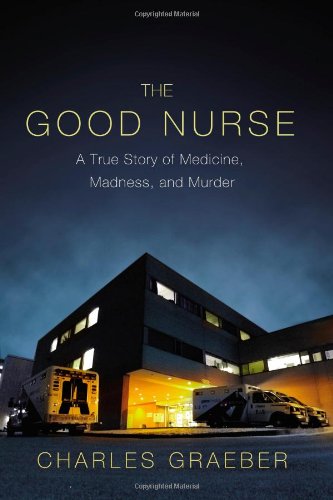 THE GOOD NURSE: A True Story of Medicine, Madness, and Murder, publié chez Twelve en 2013, est un récit poignant par le journaliste Charles Graeber exposant les crimes épouvantables d’un des tueurs en série les plus prolifiques des États-Unis, Charlie Cullen. Époux, père de famille et infirmier expérimenté, sa compulsion secrète l’a impliqué dans la mort d’au moins 300 patients entre 1988 et 2003, répartis dans neuf hôpitaux du New Jersey et de Pennsylvanie.
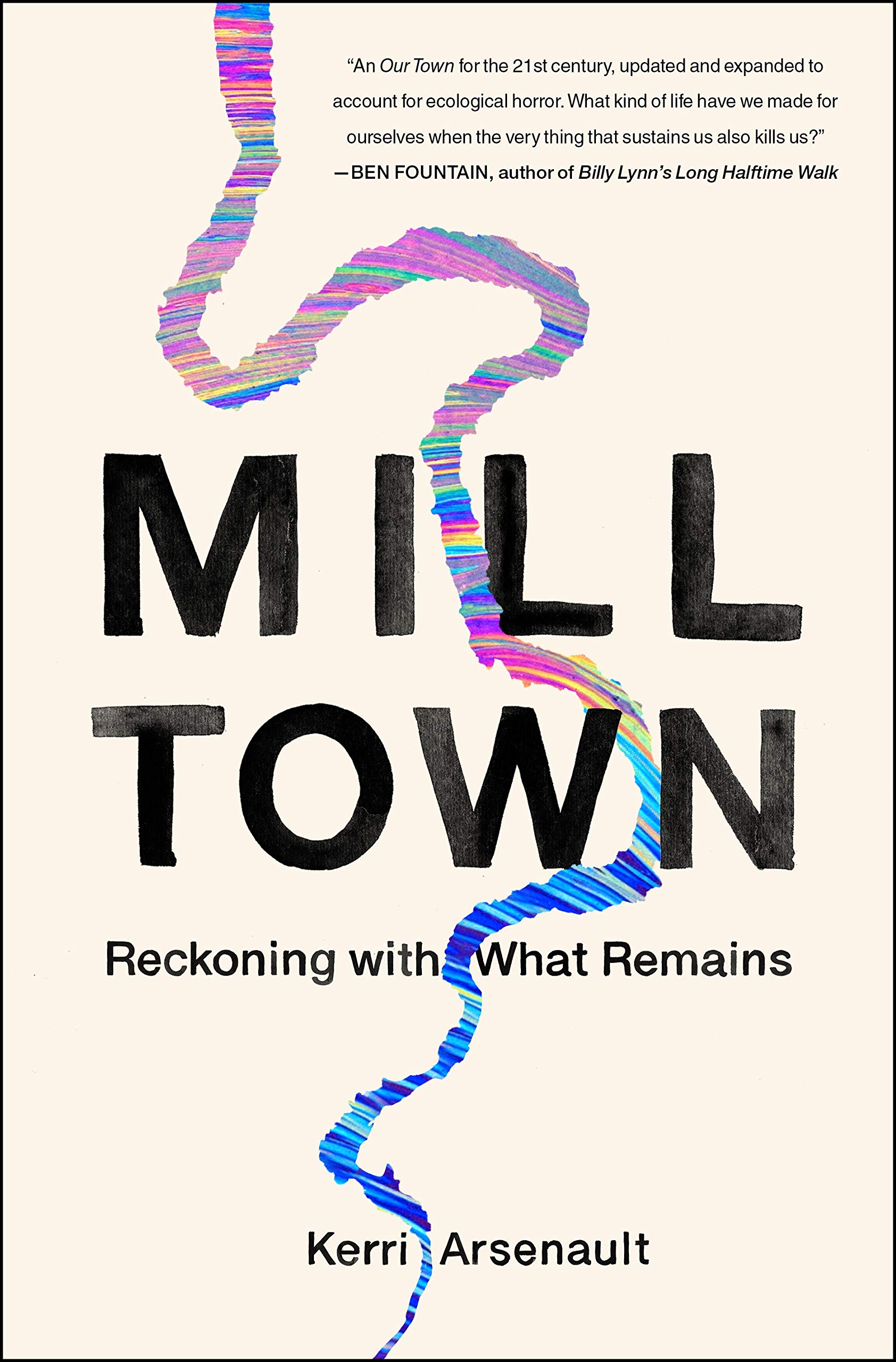 Kerri Arsenault grew up in the rural working class town of Mexico, Maine. For over 100 years the community orbited around a paper mill that employs most townspeople, including three generations of Arsenault’s own family. Years after she moved away, Arsenault realized the price she paid for that seemingly secure childhood. The mill, while providing livelihoods for nearly everyone, also contributed to the destruction of the environment and the decline of the town’s economic, moral, and emotional health in a slow-moving catastrophe, earning the area the nickname “Cancer Valley.” In Mill Town, Arsenault undertakes an excavation of a collective past, sifting through historical archives and scientific reports, talking to family and neighbors, and examining her own childhood to present a portrait of a community that illuminates not only the ruin of her hometown and the collapse of the working-class of America, but also the hazards of both living in and leaving home, and the silences we are all afraid to violate. In exquisite prose, Arsenault explores the corruption of bodies: the human body, bodies of water, and governmental bodies, and what it’s like to come from a place you love but doesn’t always love you back. A galvanizing and powerful debut,
  “
“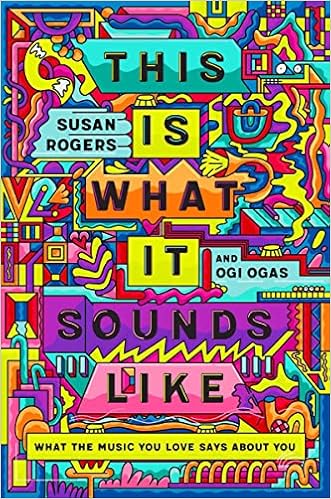 When you listen to music, do you prefer lyrics or melody? Intricate harmonies or driving rhythm? The “real” sounds of acoustic instruments or those of computerized synthesizers? Drawing from her successful career as a music producer (engineering hits like Prince’s “Purple Rain”), professor of cognitive neuroscience Susan Rogers reveals why your favorite songs move you. She explains that we each possess a unique “listener profile” based on our brain’s reaction to seven key dimensions of any record: authenticity, realism, novelty, melody, lyrics, rhythm, and timbre. Exploring this profile will deepen your connection to music, refresh your playlists, and uncover aspects of your personality. Rogers takes us behind the scenes of record-making, using her insider’s ear to illuminate the music of Prince, Frank Sinatra, Lana Del Rey, and many others. Told in a lively, inclusive style, this book will change the way you listen to music.