In this science-based, remarkably candid account of what it’s like to heal from Complex PTSD, journalist Stephanie Foo offers a fascinating exploration of a psychological phenomenon we’re only beginning to understand and a relevant and powerful narrative of reckoning and healing.
THE UNMAKING
by Stephanie Foo
Ballantine, pub. date TBD
 Stephanie Foo was an accomplished journalist, a producer at This American Life, won an Emmy, and launched a podcasting app, but behind her office door she was having panic attacks. At the age of 30 she was diagnosed with Complex PTSD. Finding few resources to help her heal, Stephanie set out to write her own guide, THE UNMAKING. With the determination and curiosity of an award-winning journalist, Stephanie investigates the science behind Complex PTSD and how it has shaped her own life. She interviews experts and tries a variety of therapies. She also dives into her past of extreme child abuse and neglect and uncovers family secrets.
While someone can develop PTSD from a single traumatic event, Complex PTSD blooms when the trauma happens over and over and over, over the course of years. Risk factors include being hit or verbally abused by a caretaker, having mentally ill, alcoholic or addict parents, or even facing poverty. Those numbers alone add up to around 50 million people. And that’s not including the large populations of those who may have developed Complex PTSD through domestic abuse, continual health issues, or POC and queer people living in threatening and discriminatory environments. They need help. And yet…nobody is talking about it. THE UNMAKING describes how C-PTSD is, essentially, brain damage, and the tragic impact it has on bodies and minds. But unlike the academic books on C-PTSD, Stephanie Foo also shares how it feels to learn that science as a survivor. She writes about her doubts, anguish, terrible setbacks, and ultimately, successes.
Stephanie Foo is a writer and radio producer. She most recently was a producer at the radio show This American Life, which reaches 5 million listeners every week. Before that, she helped create the public radio show Snap Judgment, where she produced nearly 200 stories in 4 years. Foo is an acclaimed advocate for diversity in all forms. She wrote a viral article for Transom about the importance of diverse workplaces, particularly in newsrooms, and speaks frequently on the topic of diversity and inclusion. She’s an Adjunct Assistant Professor at Columbia University and has spoken at Columbia, Vassar, Yale, Berkeley and CUNY.
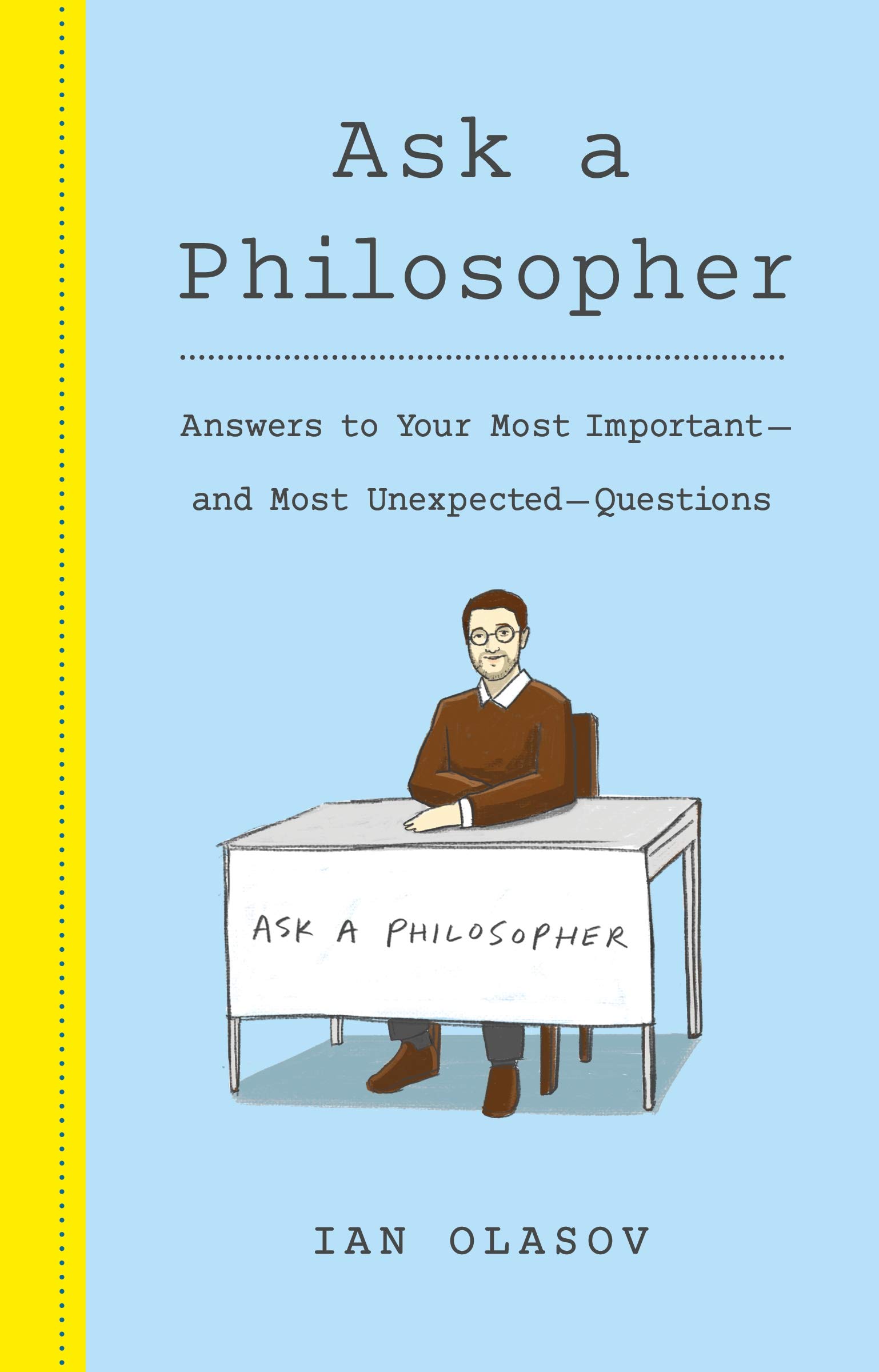 Ian Olasov answers questions such as:
 In 2017 acclaimed journalist Alexander Wolff moved to Berlin to ta explore the lives of his exile grandfather Kurt Wolff and émigré father Niko Wolff—two part-Jewish, German-born men who became American citizens. Kurt Wolff broke into the book business in 1909 as partner of Ernst Rowohlt in Leipzig; four years later, at age 26, he went out on his own, publishing Franz Kafka, Heinrich Mann, Franz Werfel, Joseph Roth, and other writers whose books would be burned by the Nazis. Just after the Reichstag fire in 1933, he and his wife Helen fled to France and Italy, and eight years later in New York they founded Pantheon Books, which went on to publish
 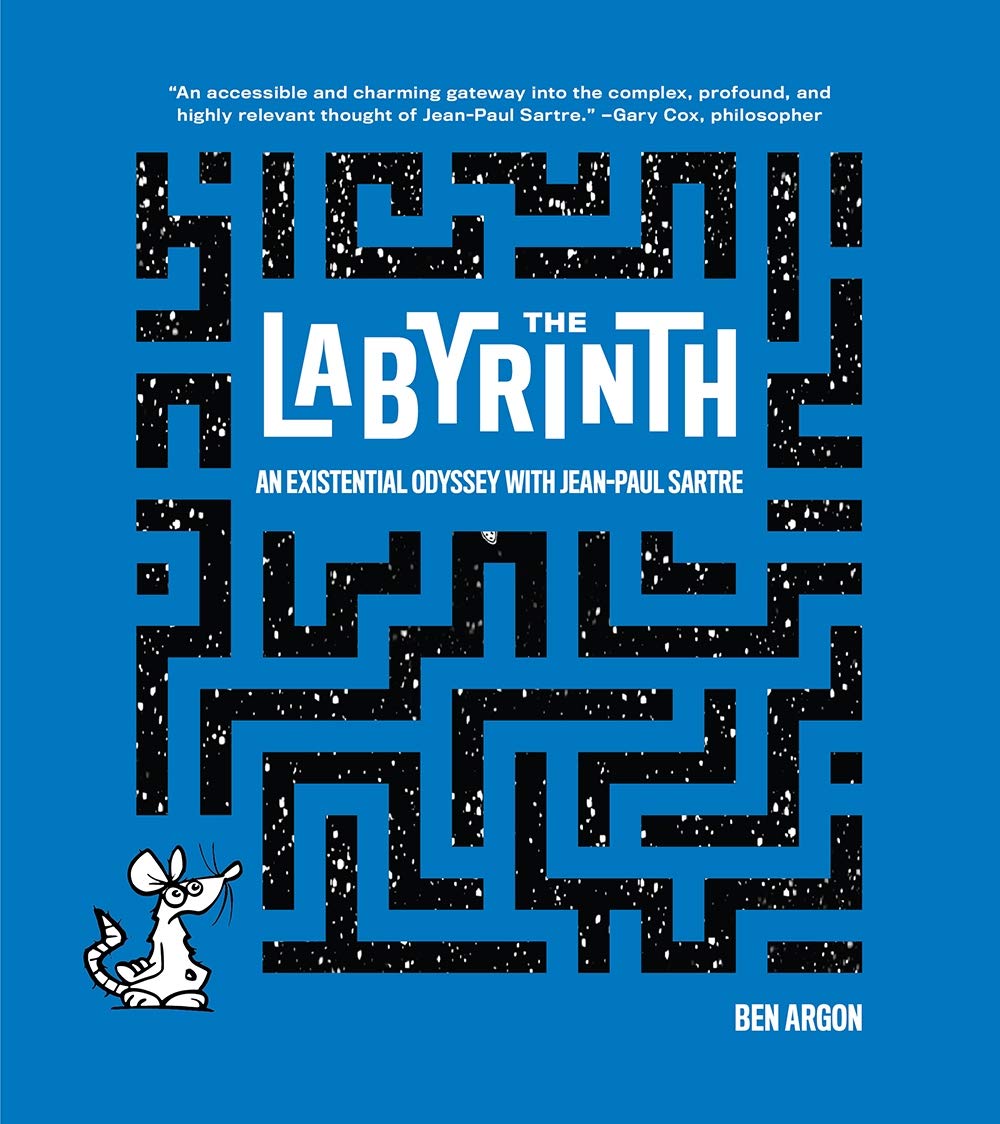 As graduates embark on the next phase of their lives, what better way to get them accustomed to the rat race they are about to enter than by introducing them to the philosophy of Jean-Paul Sartre? Cleverly told through the story of a pair of rats trapped in the labyrinth of existence, this allegory humorously conveys the key ideas of Sartre’s existential philosophy in graphic novel form—accessible for students and readers of all ages. In addition, two reputable Sartre scholars have contributed the introduction and afterword: Gary Cox, a British philosopher with a doctorate from the University of Birmingham, and Christine Daigle, professor of philosophy at Brock University in Canada.