
Sold in a 7-publisher auction, debut author and Reese’s Book Club Fellow Arriel Vinson delivers an outstanding novel-in-verse about a girl who falls in love at the roller-skating rink—the only place in the world where she feels whole.
THE FREEDOM OF FALLING
by Arriel Vinson
Putnam/ Penguin Random House, Summer 2025
(via Writers House)
Jaelyn Coleman wants nothing more than to go to WestSide Roll skating rink every weekend like she always does with her best friend Noelle. As Arriel says, like many Black families, her parents—before they got divorced—made roller skating a tradition. But Jaelyn learns that her place of refuge is shutting down by the middle of the summer. Her neighbourhood is being gentrified. Which means she and her best friend might grow apart even more. Trey—the guy she just met at the rink—may become a distant memory. And the place where her family was essentially made will be gone. But, Jaelyn realizes that no one can take away what she loves, and that skating is about keeping community alive.
With searing intelligence, THE FREEDOM OF FALLING explores female friendship, complicated family relationships, and growing into confidence. But at its heart, it’s about learning to let your emotions be free. The freedom to fall in love, maybe with your cute boyfriend, but also with your family who you thought you had lost.
Arriel Vinson is a Reese’s Book Club LitUp Fellow and Midwesterner who writes about being young, Black, and in search of freedom. She earned her MFA in Fiction from Sarah Lawrence College. Her poetry, fiction, and essays have appeared in Shondaland, Kweli Journal, Catapult, The Rumpus, Waxwing, and others. A Tin House YA Scholar, 2020 Walter Grant recipient, and 2019 Kimbilio Fellow, her work has been nominated for Best New Poets 2020, Best of the Net 2019, and a Pushcart Prize.
LitUp by Reese’s Book Club is working to break down systematic barriers in traditional book publishing and provide opportunities for underrepresented women storytellers. The program provides powerful resources for diverse writers to get started and get their books onto our shelves through a writers retreat, a mentorship with Reese’s Book Club alumni authors, and marketing through Reese’s Book Club channels, including spotlights on their Instagram, features in their newsletter, and videos on TikTok.
 Firin is a face-changing con artist trained by her domineering father. Bregan is an actor turned heroic leader in the Reform movement that’s overthrowing the coal-choked island of Luisonn.
 American-raised Jamie has just found out that he’s the prince of a small country, and now he’s being thrown head first into the world of royalty with no idea how to navigate it. Erik, the reluctant “spare” prince of the country next door, who’s dealing with family drama of his own, agrees to show him the royal ropes after they meet at an event. In the following months, between archery lessons, balls, a ski trip, and even a royal wedding, they must find out what they each want from their future as royals, and if that future can include the two of them together.
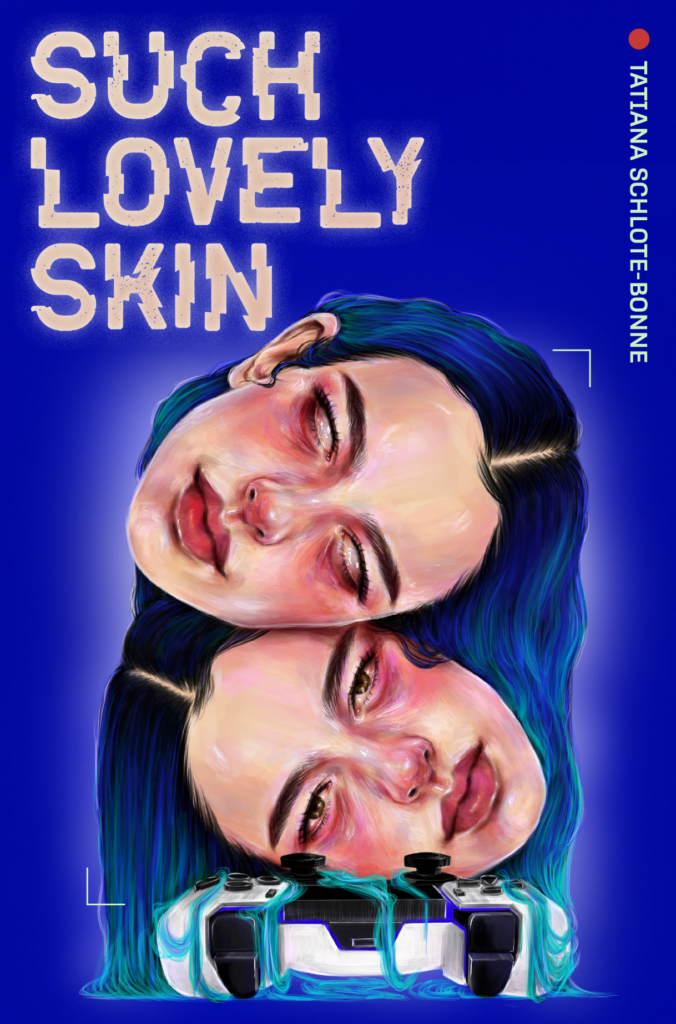 After spending the summer wracked with guilt about causing the accident that killed her little sister, ambitious gamer and chronic liar Viv returns to Twitch streaming. She never told her parents the truth about the accident, but she hopes that maybe making it big in streaming and giving the money to them is penance enough for her mistakes. The weekend before school starts, Viv finds the perfect horror game to make her Twitch comeback, and during an offline practice run, an NPC asks Viv for a secret. She decides to tell them the truth about her sister’s death since a game could never share her secret—in doing so, she accidentally welcomes a demonic mimic into her life. No one believes Viv when she tells them about her evil doppelganger. Viv has lied to get her best friend’s sympathy and has spread rumors for attention, so why should anyone trust her now? The only person who believes her is Ash, a cute social outcast whom Viv once bullied. In trying to clear her name and kill the mimic, Viv discovers that her lies have hurt people who never deserved it, herself included.