
A memoir from one of the most beloved and acclaimed chefs in the world, one who changed the culinary landscape forever.
DBNY
by Daniel Boulud & Andrew Friedman
Grand Central, Fall 2027
(via David Black Literary)
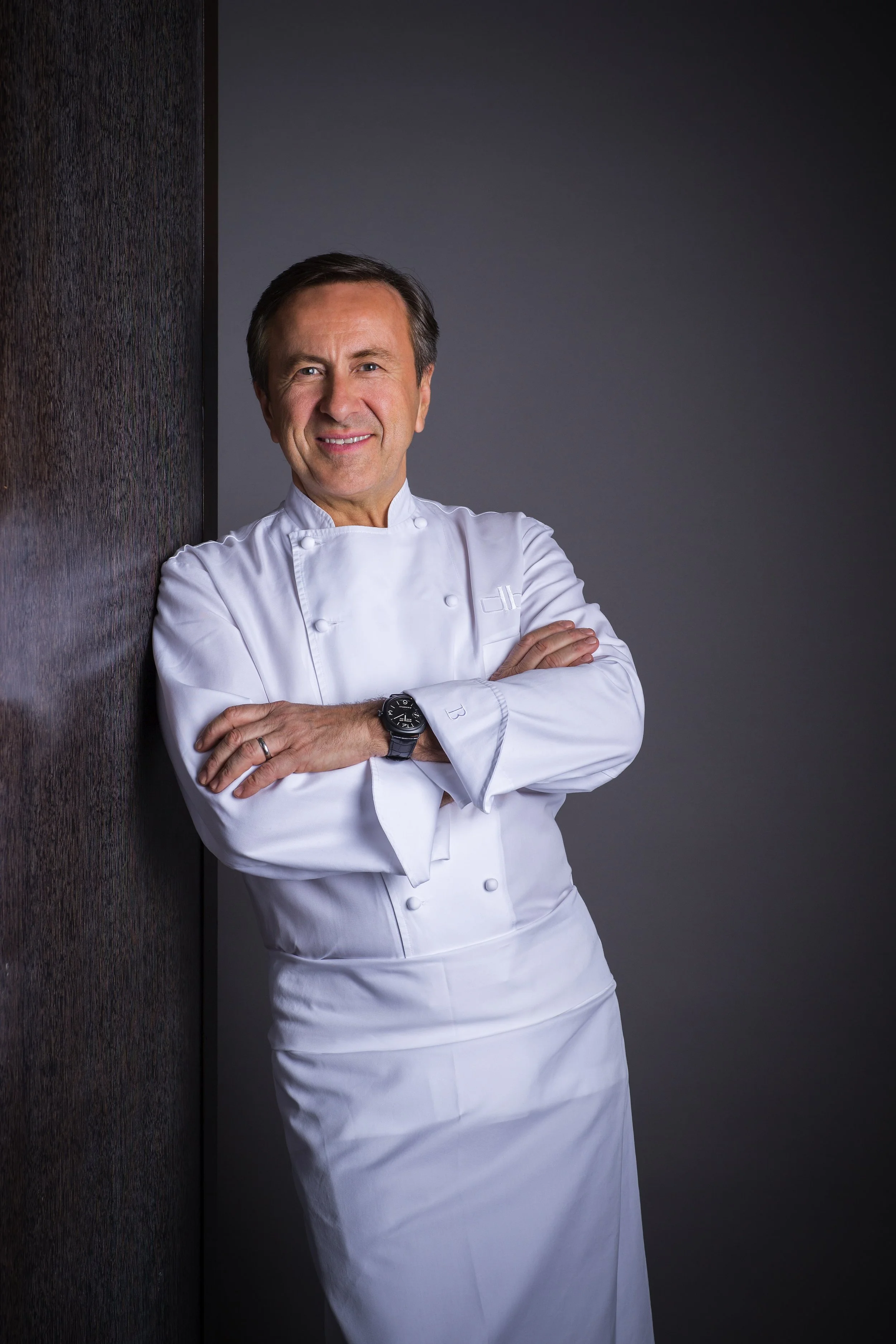 Chef Daniel Boulud’s career to date has spanned four decades, more than a dozen restaurants worldwide, and the mentorship of countless chefs, many of whom have become household names in their own right. He first trained under a succession of influential figures in his native France, but as readers will learn in this book, it’s been his relationship with New York City, and by extension America, that has been the greatest catalyst for his seemingly boundless ideas, energy, and success. As the fortieth anniversary of his moving to New York City approaches, Danie is ready to tell his story, and that of his times, mingling it with a
celebration of his adopted home.
Through his memoir, Boulud will expore the value of New York City and America to culinarians generally, and to him in particular, and how incorporating the panoply of cultures and cuisines here transformed his food from resolutely French to something … well, still unmistakably French, but more expansive and modern, and made him a better and more universally relatable chef. He will trace the modern American food and restaurant movement from the point of view of a Frenchman who came to the US, helped change food and restaurants, and trained generations of chefs. He will examine how American ingenuity and lust for commerce positively impacted him as a businessperson and operator, inspiring him to constantly explore new concepts, and opening his mind to new ways of serving quantities of guests quality food in numbers that would be inconceivable in his home country.
He will give a firsthand personal and professional accounting of living through multiple economic downturns and recoveries in the Reagan years, the Clinton years, after 9/11, and the COVID pandemic, and discuss the American experience, and yes the American dream, from the point of view of an immigrant. And he will give his thoughts and guidance for how to grow a business, empire, and team while staying true to your defining personal values.
Daniel Boulud is a French chef and restaurateur with restaurants in New York City, Palm Beach, Miami, Toronto, Montréal, Singapore, the Bahamas, and Dubai. He is the author of several cookbooks and is best known for his eponymous restaurant Daniel, opened in New York City in 1993, which currently holds one Michelin star.
Andrew Friedman is the author of Chefs, Drugs and Rock & Roll: How Food Lovers, Free Spirits, Misfits and Wanderers Created a New American Profession (2018), and producer and host of the independent podcast Andrew Talks to Chefs, currently in its sixth year. He is also the author of Knives at Dawn: America’s Quest for Culinary Glory at the Legendary Bocuse d’Or Competition (2009), co-editor of the internationally popular anthology Don’t Try This at Home: Culinary Catastrophes from the World’s Greatest Chefs, and co-author of more than twentyfive cookbooks, memoirs, and other projects with some of the United States’ finest and most well-known chefs. Additionally, he is an adjunct professor within the School of Graduate and Professional Studies at the Culinary Institute of America. An avid tennis player, he co- authored American tennis star James Blake’s New York Times bestselling memoir Breaking Back: How I Lost Everything and Won Back My Life (2007), and was for several years a TENNIS magazine editor-at-large. He lives in Brooklyn, NY.
 At the end of the eighteenth century, Europe faced revolutions, famine, and war. It was out of this chaos that the field of economics was born—and while that founding has for centuries been attributed almost entirely to men, they were only part of the story.
  Elon Musk has cast himself as the savior of humanity, an altruistic force whose fortune is tied to noble pursuits from halting our dependence on fossil fuels to colonizing Mars. Once frequently heralded as a modern-day Edison, Musk has taken up a new place in the public consciousness with his growing desire to disrupt not just the automotive and space industries but the policies that shape our nation, placing him at the center of America’s most complex undertakings in manufacturing, politics, and defense and technology, even as his increasingly erratic personal behavior has raised questions about his stability and judgement.