From young Afghani activist and Amnesty International Global Youth Ambassador Pashtana Durrani, a deeply inspiring memoir about the power of learning and the value of educators in their many forms – from teachers, mentors, and role models, to fathers, mothers, and any one of us with the drive to stand against ignorance.
LAST TO EAT, LAST TO LEARN
My Life in Afghanistan Fighting to Educate Women
by Pashtana Durrani, with Tamara Bralo
Kensington, March 2024
(via The Martell Agency)
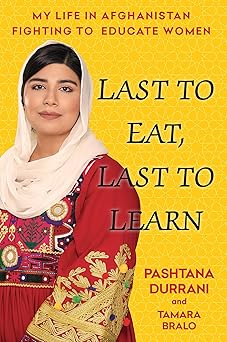 LAST TO EAT, LAST TO LEARN is the remarkable memoir of Pashtana Durrani, a 23-year-old Afghan woman, who has pursued her passion for educating the “disappearing girls” of the remote, contested rural tribal regions, amidst all the turmoil, violence and oppression that has enveloped her country – and her family — over a generation.
Pashtana Durrani was the first recipient of a grant from Malala’s Fund, and the founder of Learn NGO, an organization that was ruthlessly targeted by the Taliban. She conceived and developed a brilliant program for getting educational materials directly into the hands of girls and young women in the form of solar-powered tablets preloaded with lessons for grades K-12.
Pashtana escaped from Afghanistan after the Taliban takeover and will soon be in the U.S., with a two-year residency at Wellesley College to continue her critical work for girls’ education. Malala wrote one of two letters to the U.S. government to petition for Pashatana’s safe evacuation to the U.S. Pashtana is a highly sought-after expert in the on-going international advocacy struggles, a figure of hope and promise for all those determined not to cede ground in the battle for women’s education and autonomy in Afghanistan and beyond.
Tamara Bralo is an award-winning journalist who worked for BBC, CNN, and Al Jazeera English, and spent years covering war zones around the world, including Iraq, Libya, and Syria.
 When it was released to the public in November 2022, ChatGPT awakened the world to a secretive project: teaching AI-powered machines to write. Its creators had a sweeping ambition—to build machines that could not only communicate, but could do all kinds of other activities, better than humans ever could. But was this goal actually achievable? And if reached, would it lead to our liberation or our subjugation?
 It’s an international tale that takes us from Mozambique to Australia, from Hong Kong to New York, and of course, inside the hushed, marble corridors of Zurich’s banking elite.
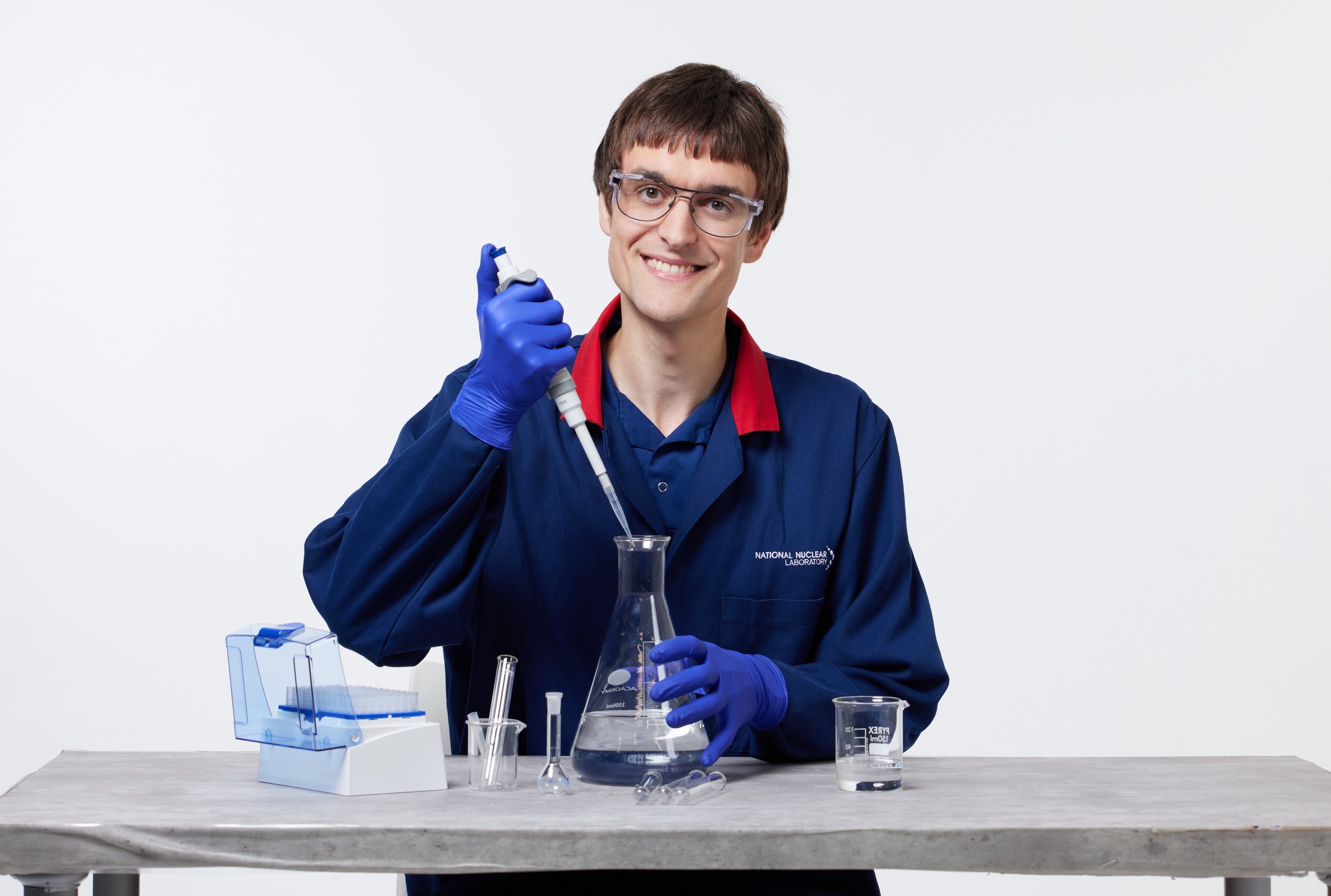 GOING NUCLEAR will be an exploration of the immense power in the centre of the atom, the areas of our world that it touches, and the potential it has to solve the biggest problems our species faces. The book retraces our relationship with nuclear through the Nuclear Revolution of the early 20th century and look towards the Nuclear Renaissance that could — and should — ensue over the coming decades. Gregory argues convincingly that there is no net zero without nuclear power.