
Cynicism is making us sick; Stanford Psychologist Dr. Jamil Zaki has the cure—a “ray of light for dark days” (Adam Grant, #1 New York Times bestselling author).
HOPE FOR CYNICS
The Surprising Science of Human Goodness
by Jamil Zaki
Grand Central Publishing, September 2024
(via The Gernert Company)
 For thousands of years, people have argued about whether humanity is selfish or generous, cruel or kind. But recently, our answers have changed. In 1972, half of Americans agreed that most people can be trusted; by 2018, that figure had fallen to 30%. Different generations, genders, religions, and political parties can’t seem to agree on anything, except that they all think human virtue is evaporating.
Cynicism is a perfectly understandable response to a world full of injustice and inequality. But in many cases, cynicism is misplaced. Dozens of studies find that people fail to realize how kind, generous, and open-minded others really are. And cynical thinking worsens social problems, because our beliefs don’t just interpret the world—they change it. When we expect people to be awful, we coax awfulness out of them.
Cynicism is a disease, with a history, symptoms—and a cure. Through science and storytelling, Jamil Zaki imparts the secret for beating back cynicism: hopeful skepticism. This approach doesn’t mean putting our faith in every politician or influencer. It means thinking critically about people and our problems, while simultaneously acknowledging and encouraging our strengths. Far from being naïve, hopeful skepticism is a more precise way of understanding others, and paying closer attention re-balances how you think about human nature. As more of us do this, we can take steps towards building the world we truly want.
Dr. Jamil Zaki is a professor of psychology at Stanford University and the director of the Stanford Social Neuroscience Lab. He trained at Columbia and Harvard, studying empathy and kindness in the human brain. He is interested in human connection and how we can learn to connect better.
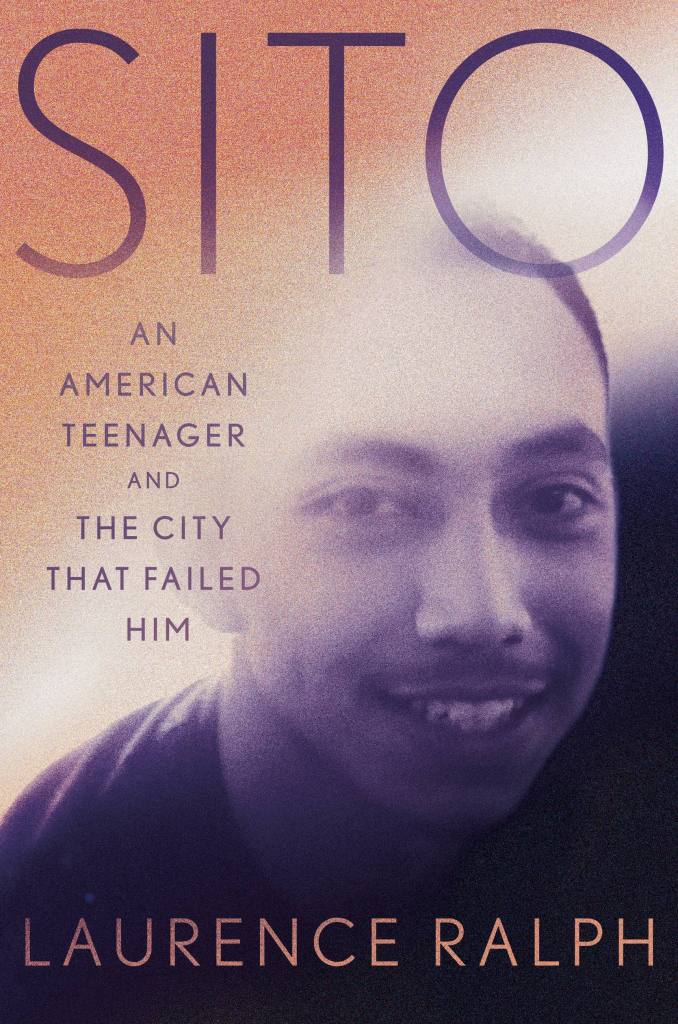 In September of 2019, Luis Alberto Quiñonez—known as Sito— was shot to death as he sat in his car in the Mission District of San Francisco. He was nineteen. His killer, Julius Williams, was seventeen. It was the second time the teens had encountered one another. The first, five years before, also ended in tragedy, when Julius watched as his brother was stabbed to death by an acquaintance of Sito’s. The two murders merited a few local news stories, and then the rest of the world moved on. But for the families of the slain teenagers, it was impossible to move on. And for Laurence Ralph, the stepfather of Sito’s half-brother who had dedicated much of his academic career to studying gang-affiliated youth, Sito’s murder forced him to revisit a subject of scholarly inquiry in a deeply personal way. Written from Ralph’s perspective as both a person enmeshed in Sito’s family and expert on the entanglement of class and violence, SITO is an intimate story with an message about the lived experience of urban danger, and about anger, fear, grief, vengeance, and ultimately grace.
 For twenty years, Sciona has devoted every waking moment to the study of magic, fueled by a mad desire to achieve the impossible: to be the first woman ever admitted to the High Magistry at the University of Magics and Industry. When Sciona finally achieves her ambition and becomes a Highmage, she finds that her challenges have just begun. Her new colleagues are determined to make her feel unwelcome, and instead of a qualified lab assistant they give her a janitor. What neither Sciona nor her peers realize is that her taciturn assistant was not always a janitor. Ten years ago he was a nomadic hunter who lost his family on their perilous journey from the wild plains to the city. But now he sees the opportunity to finally understand the forces that decimated his tribe, drove him from his homeland, and keep the privileged in power. At first, mage and outsider have a fractious relationship. But working together they uncover an ancient secret that could change the course of magic forever—if it doesn’t get them killed first.
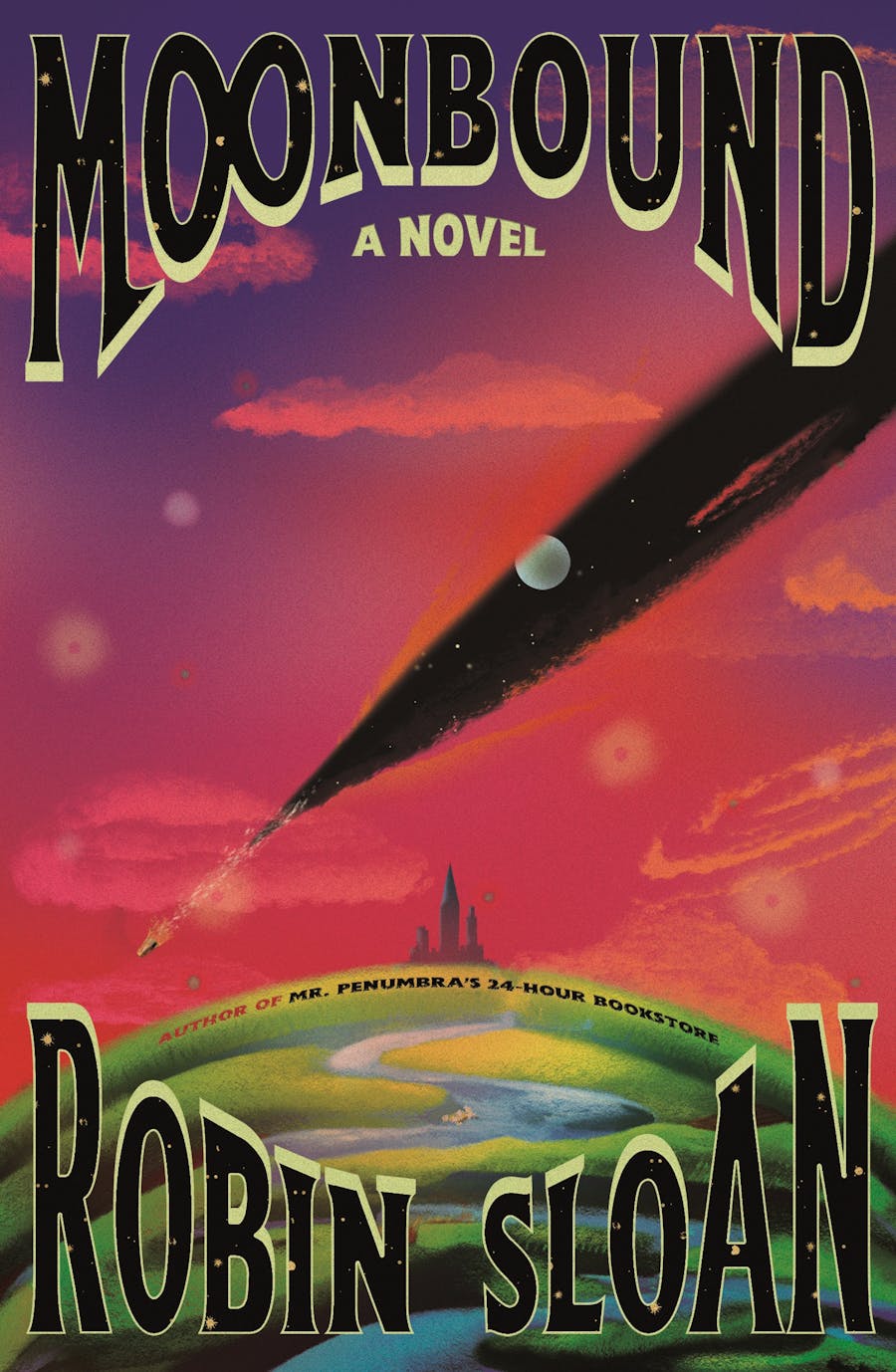 In MOONBOUND, Robin Sloan has written a novel with the full scope and ambitious imagination of the very books that lit the engines of Mr. Penumbra’s 24-Hour Bookstore: an epic quest as only Sloan could conceive it, mixing science fiction, fantasy, good old-fashioned literary storytelling, and unrivaled enthusiasm for what’s next.
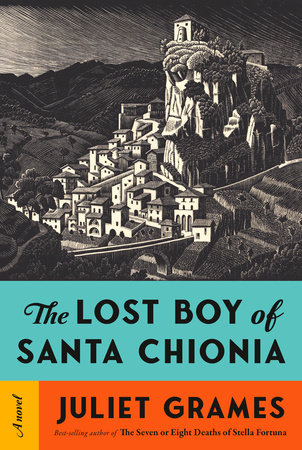 Calabria, 1960. Francesca Loftfield, a twenty-seven-year-old, starry-eyed American, arrives in the isolated mountain village of Santa Chionia tasked with opening a nursery school. There is no road, no doctor, no running water or electricity. And thanks to a recent flood that swept away the post office, there’s no mail, either.