
From prehistory to now, the fascinating story of why music is vital to the human experience.
THE SHORTEST HISTORY OF MUSIC
by Andrew Ford
Black Inc. (Australia), August 2024
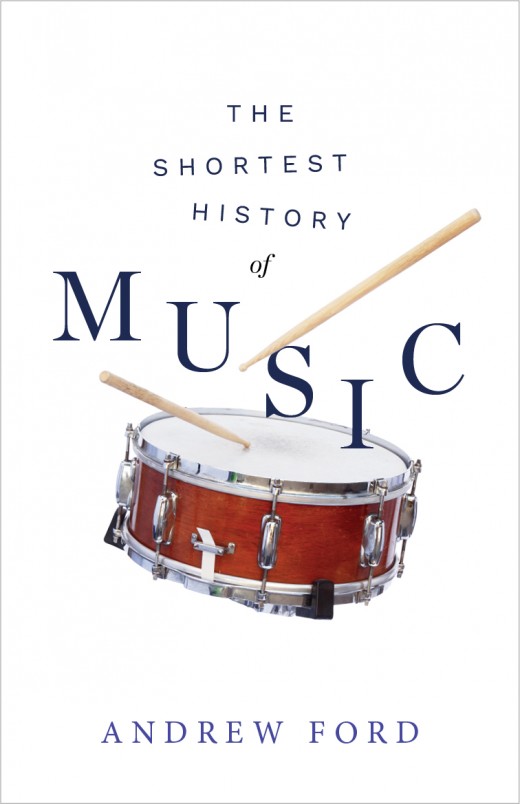 From award-winning broadcaster and composer Andrew Ford, The Shortest History of Music is a lively, authoritative tour through several thousand years of music. Packed with colourful characters and surprising details, it sets out to understand what exactly music is – and why humans are irresistibly drawn to making it.
This is not a traditional chronological account. Instead, Andrew Ford focuses on key themes in the history of music and considers how they have played out across the ages. How has music interacted with other social forces, such as religion and the economy? How have technological changes shaped the kinds of music humans make? From lullabies to concert halls, songlines to streaming services, what has music meant to humans at different times and in different places?
Andrew Ford OAM is a composer, writer and broadcaster who has won awards in each of those capacities, including the Paul Lowin Prize for his song cycle Learning to Howl, a Green Room Award for his opera Rembrandt’s Wife and the Albert H Maggs Prize for his large ensemble piece, Rauha. He has been composer-in-residence for the Australian Chamber Orchestra, the Australian National Academy of Music (ANAM) and the Australian Festival of Chamber Music. In 2014 he was Poynter Fellow and visiting composer at Yale University, in 2015 visiting lecturer at the Shanghai Conservatory, and in 2018 HC Coombs Creative Arts Fellow at the Australian National University. Ford has written widely on all manner of music and published ten previous books. He has written, presented and co-produced five radio series for the ABC and, since 1995, presented The Music Show each weekend on Radio National. He was awarded an OAM in the 2016 Queen’s Birthday Honours.
 The first major English-language history of Ukraine from its emergence after the demise of the Soviet Union through the current Russian invasion.
 In the early 1800s the world was a safe and cozy place. But then a twelve-year-old farm boy in Massachusetts stumbled on a row of fossilized three-toed footprints the size of dinner plates—the first dinosaur tracks ever found. Soon, in England, Victorians unearthed enormous bones—bones that reached as high as a man’s head. Outside of myths and fairy tales, no one had even imagined that creatures like three-toed giants had once lumbered across the land. And if anyone had somehow conjured up such a scene, they would never have imagined that all those animals could have vanished, hundreds of millions years ago. The thought of sudden, arbitrary disappearance from life was unnerving and forced the Victorians to rethink everything they knew about the world.
 Muse, secretary, wife: these are some of the labels used to describe the women whose influence on history has been erased. Their achievements have brought honour and fame to the men close to them – such as Karl Marx, Bertolt Brecht and Albert Einstein, who couldn’t have done what they did without their female friends, daughters or lovers – but they themselves remain largely unknown. The list includes scientists like Rosalind Franklin and Lise Meitner, who, unlike their male colleagues, were never celebrated for their discoveries; and authors and artists like Marie Hirsch, Lou Andreas-Salomé and Hedwig Thun, who hid behind male pseudonyms all their lives in order to be taken seriously. In « Stolen Fame », Schöler tells their stories, introducing us to the women who changed human history and showing that there are still issues around participation and visibility. Behind every successful man is a system that empowers him – and that system stands in every woman’s way.
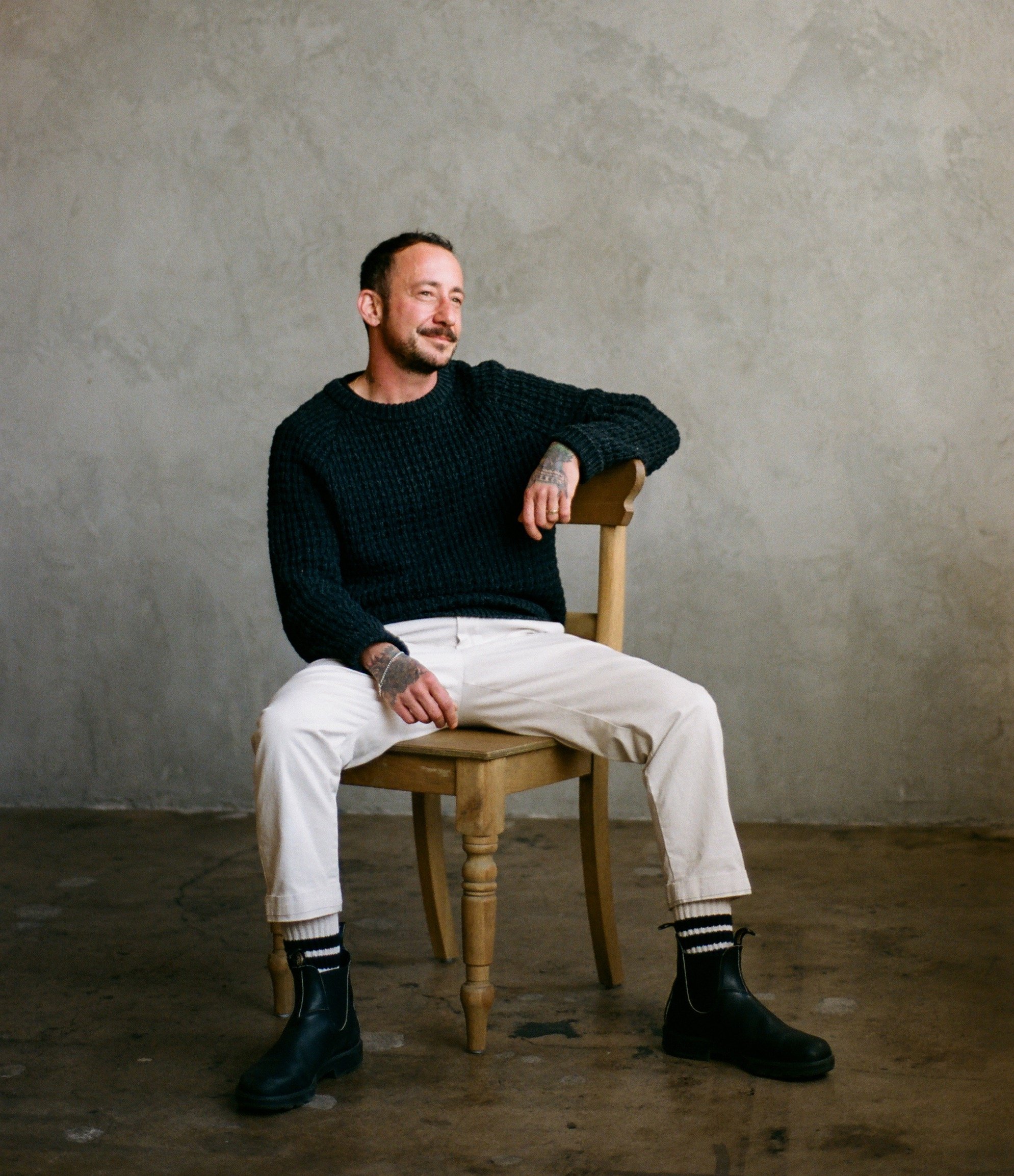 Thomas Page McBee is at 42, he writes, one of the oldest trans people he knows, an “elder,”—and he’s also 12, “a man without a boyhood, alive at the end of the world.” Time is linear, but it’s also cyclical. This moment, with its fever-pitch of anti-trans rhetoric, a broken political system, not to mention climate change, can feel like the end of the world—as have other moments in our history. And yet, as Thomas writes, “the future is already here.” The seeds of what is to come already exist. We need to be asking different and better questions.