
Told through an intricately woven constellation of narrative, it’s a novel of ambition and sacrifice, humor and desire, alienation and heartbreak, terror and wonder. At its core, it is the story of the extraordinary lengths one woman goes to find space for herself.
HERE MEN FROM THE PLANET EARTH
by Eliana Ramage
Avid Reader Press, TBD
(via The Gernert Company)
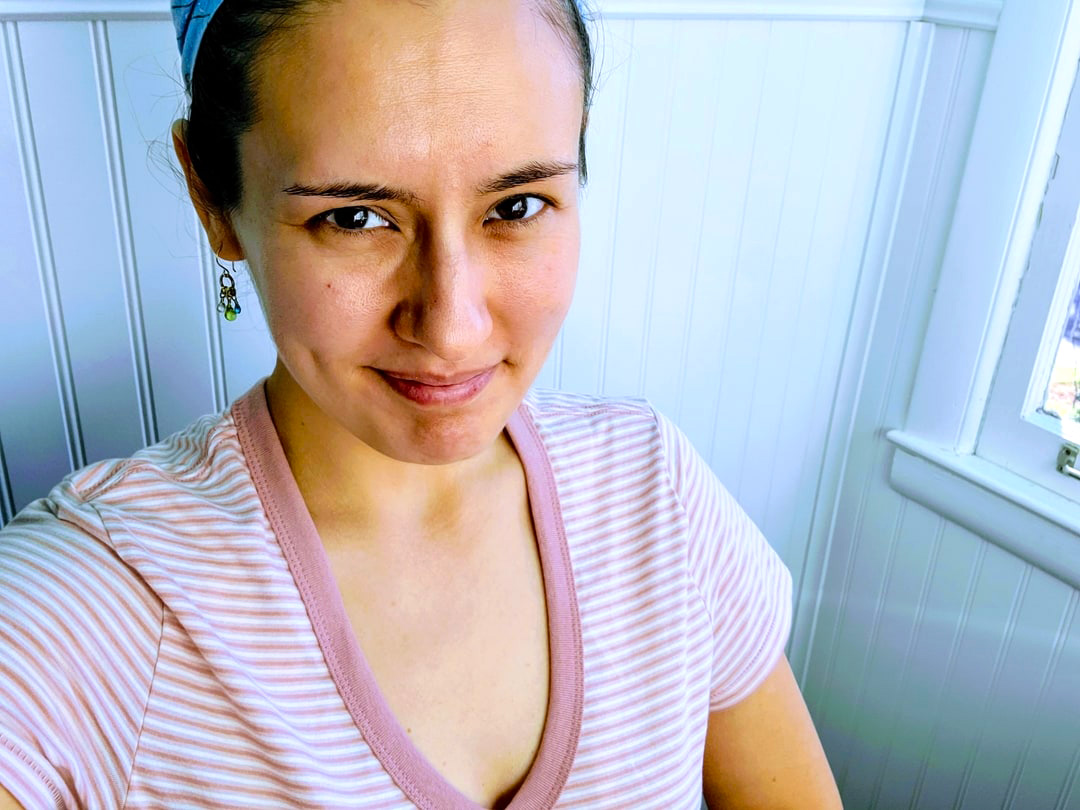 HERE MEN FROM THE PLANET EARTH is Eliana Ramage’s debut novel about a young, queer Cherokee woman relentlessly determined to become an astronaut. It’s a book whose expansive heart, powerfully realized characters, thematic richness, and ambitious sweep are reminiscent of Gabrielle Zevin’s Tomorrow, and Tomorrow, and Tomorrow, by way of Andy Weir, Sterlin Harjo (Reservation Dogs) and Kelli Jo Ford.
Spanning almost thirty years, and several continents, it’s also a book that stretches to encompass the multifaceted lives of four different Cherokee women. There’s Steph Harper, our obsessive, determined, at times maddening aspiring astronaut, but also: her younger sister Kayla Harper, an artist who goes on to become an Indigenous influencer and whose determination to appear good takes her life to unexpected places; Steph’s college girlfriend Della Sixkiller, who strives to reclaim her identity as an adult after being removed from her Cherokee family through a challenge to the Indian Child Welfare Act; and Hannah Harper, Steph and Kayla’s mother, who ran from an abusive husband back into the arms of the capital of the Cherokee Nation when her girls were young and who’s been afraid to look back ever since.
Each of these women is running from something across this novel — but ultimately, HERE MEN FROM THE PLANET EARTH asks what it could look like instead to run toward. Time and again, Ramage urges readers to find a way to hold, with empathy, more than one strand of history, more than one idea, more than one way of being Indian — or being anyone — in their heads at once. Hers is a debut about family and community, earthly fragility, women in STEM, complicity and reckoning, visibility in the face of generational erasure, and what it looks like to find pinpricks of hope even against a backdrop of darkness. I could not possibly love it more.
Eliana Ramage is a queer Cherokee Nation citizen living in Nashville. She was an Iowa Arts Fellow at the Iowa Writers’ Workshop, and has been a Richard E. Guthrie Memorial Fellow, a Lambda Literary fellow, a Harpo Foundation Native American Residency Fellow at Vermont Studio Center, and a Tin House Scholar. One excerpt from this novel won the CRAFT Elements Short Fiction Prize, and another was chosen for The Masters Review Anthology. Her stories have also appeared in Beloit Fiction Journal and The Baltimore Review.
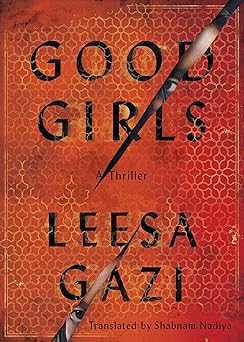 For sisters Lovely and Beauty, home is a prison under the toxic watch of their controlling, abusive mother, Farida Khanam. The girls are each locked in their own rooms, their own gilded cages, and have never been allowed to leave the house by themselves. GOOD GIRLS opens and it’s Lovely’s 40th birthday, the day Farida will give Lovely the freedom to go to the Gausia Market alone. “Today was the day for everyone to be what they weren’t, or perhaps be what they were.” With a tragic foreboding, we know today is the day that will change everything.
 Following in the footsteps, hooves and pawprints of the bestselling illustrated inspirational book The Boy, The Mole, The Fox and The Horse comes Regina Linke’s exquisite fable THE OXHERD BOY.
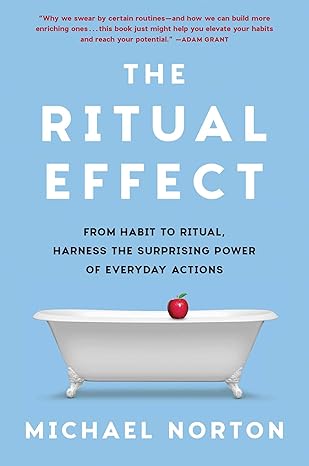 Our lives are filled with repetitive tasks meant to boost productivity—what we know as habits. Over time, we do these activities automatically. But when we perform these habits mindfully—when we focus on the precise way an act is performed—we create a ritual. Now, an everyday act goes from black-and-white to technicolor. And as author and Harvard professor Michael Norton explains here, it’s these rituals that make life worth living.
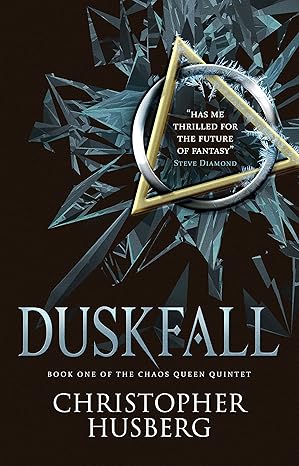 Book 1: DUSKFALL
 Book 2: DARK IMMOLATION
 Book 3: BLOOD REQUIEM
 Book 4: FEAR THE STARS
 Book 5: DAWNRISE