
Anxiety, stress, and grief aren’t going away anytime soon, and this book won’t make you happy. But with wit and empathy, Feliciano leads you right past happy to calm. No matter how « happy » your life is—or isn’t—you can reach a deeper, truer, and longer-lasting place of contentment.
THIS BOOK WON’T MAKE YOU HAPPY:
Eight Keys to Finding True Contentment
by Niro Feliciano
Broadleaf Books, April 2022
(via Kaplan/Defiore Rights)
 When people find out she is a therapist, Niro Feliciano knows she isn’t going anywhere anytime soon. At soccer games, at cocktail parties, in waiting rooms, people corner her and ask: Why am I so stressed? Is the way I feel normal? Why can’t I just be happy?
The truth is happiness is fleeting, and we are stressing ourselves out trying to achieve it. In This Book Won’t Make You Happy, national media commentator and Psychology Today columnist Feliciano offers a path to something much more achievable and abundantly more satisfying: contentment.
By incorporating eight simple postures rooted in cognitive behavioral science and mindfulness practices into our daily routines, we can move away from anxiety and toward balance and calm. Acceptance, gratitude, connection, a present-focused perspective, intentionality and priority, self-compassion, resilience, and faith: through these practices we will overcome obstacles that hold us back from living full, meaningful, contented lives.
Niro Feliciano is a psychotherapist, podcast host, national media commentator, and expert on anxiety, brain science, and spirituality. She holds a master’s degree in social work from Columbia University and is a columnist for Psychology Today. A first-generation Sri Lankan American, she lives with her family in Fairfield County, Connecticut.
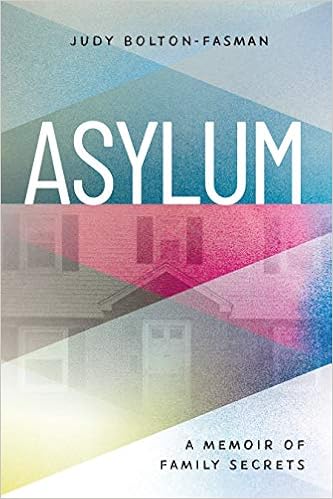 In the prefatory chapter, “Burn This,” Judy receives a thick letter from her father and conjectures that the contents will reveal the long hidden explanations, confessions, and secrets that will unlock her father’s cryptic past. Just as she is about to open the portal to her father’s “transtiendas,” his dark hidden secrets, Harold Bolton phones Judy and instructs her to burn the still unopened letter. With the flick of a match, Judy ignites her father’s unread documents, effectively destroying the answers to long held questions that surround her parents’ improbable marriage and their even more secretive lives.
 All those memories. A man on his knees. The dark burn of Coke washing down a yellow wall. The night someone strung dead bats along the school fence, their black leather wings shredded into streamers. I never want to revisit that life.
 Throughout history, people have picked up their pens and wielded their words–transforming their lives, their communities, and beyond. Now it’s your turn! Representing a diverse range of backgrounds and experiences, MIGHTIER THAN THE SWORD connects over forty inspiring biographies with life-changing writing activities and tips, showing readers just how much their own words can make a difference. Readers will explore nature with Rachel Carson, experience the beginning of the Reformation with Martin Luther, champion women’s rights with Sojourner Truth, and many more. These richly illustrated stories of inspiring speechmakers, scientists, explorers, authors, poets, activists, and even other kids and young adults will engage and encourage young people to pay attention to their world, to honor their own ideas and dreams, and to embrace the transformative power of words to bring good to the world.
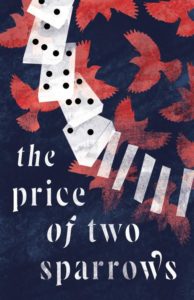 Heico is an ornithologist fighting a losing battle to protect the birds in his beachside suburb. When a journalist asks for comment on a planned development, Heico exaggerates his reports on how many migratory birds use the site. Soon it is revealed that the proposed building is a mosque, and he finds himself embroiled in community resistance to the project. Still, he refuses to back down. As the delayed mosque project becomes a focal point for growing Islamophobia, Heico must confront his own ghosts, and the prejudices he insists he doesn’t have. Nahla is Heico’s house cleaner. Having recently arrived in Australia she is trying to find her place in a new country and a new marriage. Isolated and lonely, she sees the mosque as a symbol of what she hopes to find in Australia: community, familiarity, acceptance. But as resistance to the project intensifies, she must summon the courage and the language to speak out and claim her space in this new life.