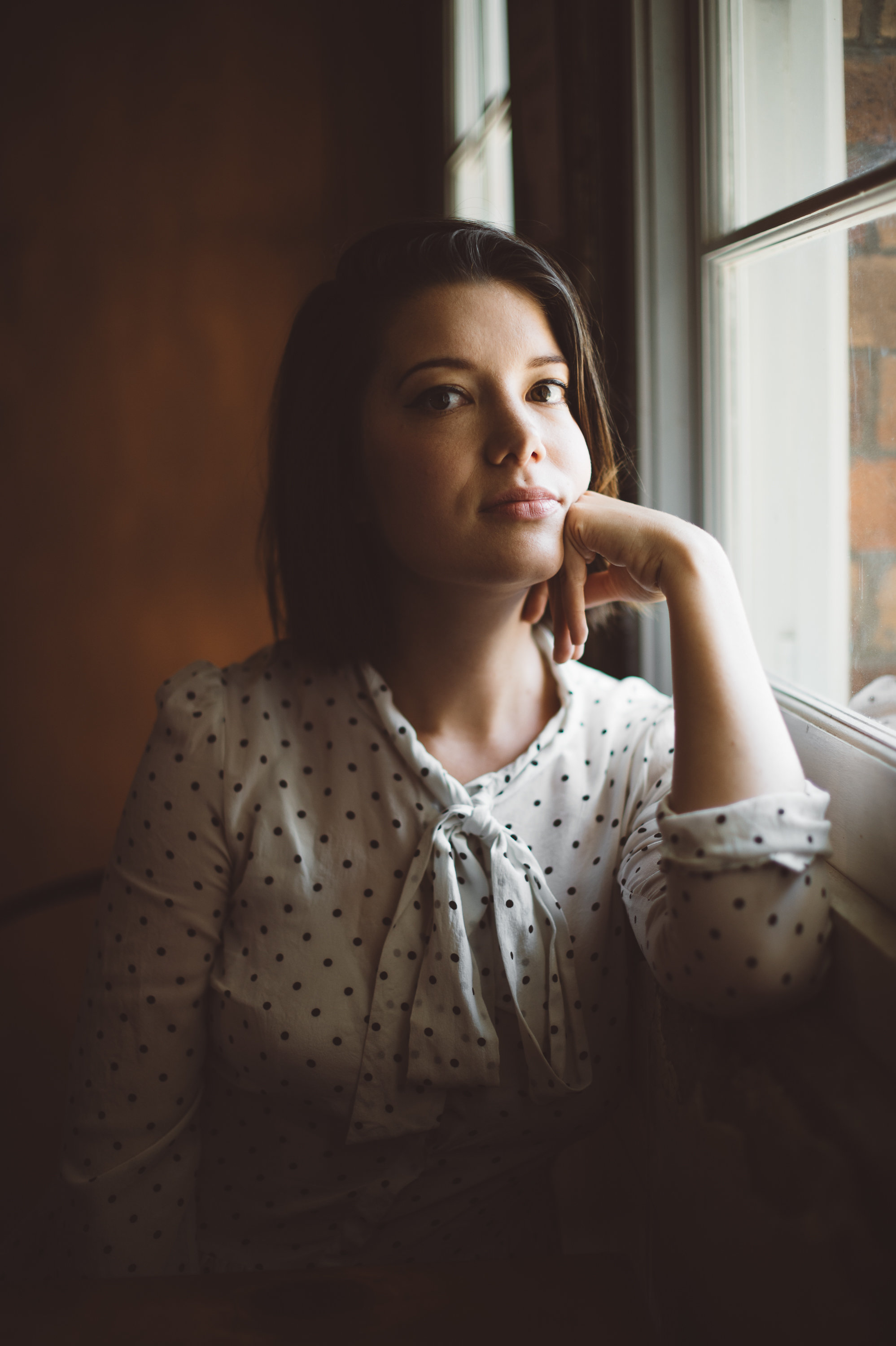
Blending memoir with observations on the healthcare industry, THE SHAPE OF SOUND is a story about the corrosive power of secrets, stigma and shame, and how deaf experiences and disability are shaped by economics, social policy, medicine and societal expectations.
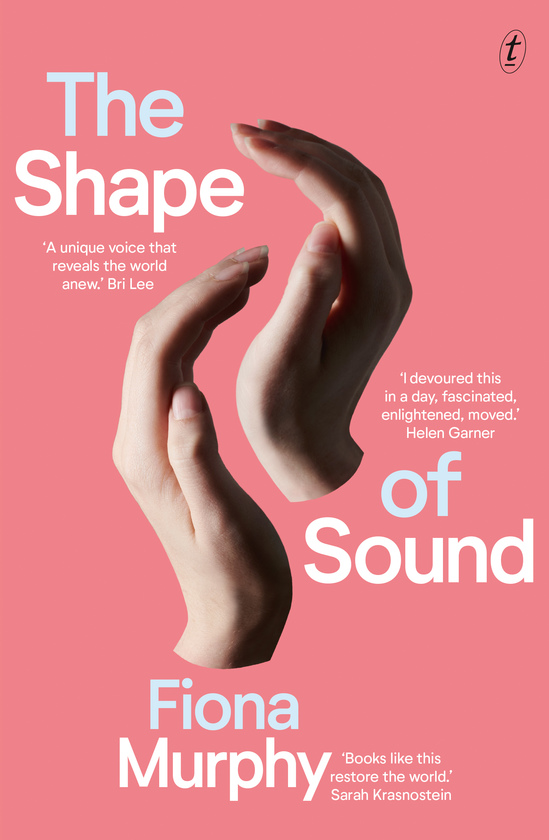
THE SHAPE OF SOUND
by Fiona Murphy
Text Publishing Australia, April 2021
 I am still unlearning the habit of secrecy. And yet, whenever somebody discovers that I am deaf, my body still reacts with churning terror. How do you build up a sense of robust pride when your body has taught itself to be fearful?
Fiona Murphy’s memoir about being deaf is a revelation.
Secrets are heavy, burdensome things. Imagine carrying a secret that if exposed could jeopardise your chances of securing a job and make you a social outcast. Fiona Murphy kept her deafness a secret for over twenty-five years. But then, desperate to hold onto a career she’d worked hard to pursue, she tried hearing aids. Shocked by how the world sounded, she vowed never to wear them again. After an accident to her hand, she discovered that sign language could change her life, and that Deaf culture could be part of her identity. Just as Fiona thought she was beginning to truly accept her body, she was diagnosed with a rare condition that causes the bones of the ears to harden. She was steadily losing her residual hearing. The news left her reeling. This is the story of how Fiona learns to listen to her body.
Fiona Murphy is a Deaf poet and essayist. Her work has been published in Kill Your Darlings, Overland, Griffith Review and the Big Issue, among other publications. In 2019, she was awarded the Overland Fair Australia Essay Prize and the Monash Undergraduate Creative Writing Prize. In 2018, she was shortlisted for the Richell Prize and highly commended by the Wheeler Centre Next Chapter program.
 Robyn Ayres works as the camp caretaker on Finch Island, a former leper colony off the coast of Queensland. Her current clients are a group of ex-military men who run a tough-love program for troubled teens. The latest crop looks like the usual mix of bad boys and sad boys. Then Robyn takes a second look at a kid called Darren. Last time she saw him his name was Aaron, and Robyn was his primary school teacher. And she was somehow at the centre of a vicious small-town custody battle involving his terrifying grandmother.
 BODIES OF LIGHT tracks the life of Maggie: from her childhood shuttled from one abusive care home to another; to domestic happiness that ends in tragedy; to the arms of a passionate woman in New Zealand; and to a new existence in the USA—only for her to find that she can’t leave her old self behind so easily. This is the story of a life in full, detailed, wrenching, sensuous and compelling. It’s about trauma and heartbreak, memory and loss, the refusal to do anything but survive, no matter the odds.
 Hesse lives in a small coastal town, where a coalmine and power station are a part of the scenery, and a part of the ever-growing problem of climate change. His mother is a member of a local environmental group campaigning to close the mine and shut down the power station. It’s a no-brainer, of course, but Hesse is more interested in surfing—and in Fenna, the new exchange student from the Netherlands. But when someone seems to be trying to derail the campaign, and his friends’ families face losing their jobs, Hesse begins to realise that things are complex. Even though he’s reluctant to step into the spotlight, with Fenna’s encouragement he decides it’s time to make a stand. Because some things are too important to leave to everyone else. And even one small, nervous voice can make a difference. When Hesse agrees to speak at a protest meeting he has no idea of the storm he is about to unleash.