
Aimed at philosophers and non-philosophers alike, this is a modern argument about the ambivalence towards childbearing and how to overcome it.
WHAT ARE CHILDREN FOR?
Affirming Life in an Age of Ambivalence
by Anastasia Berg & Rachel Wiseman
St. Martin’s Press, June 2024
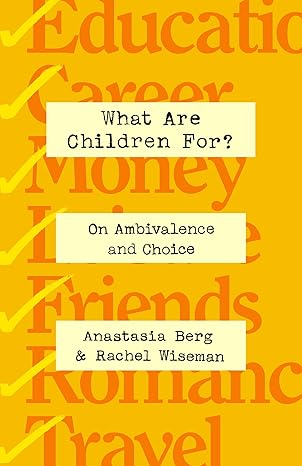
Becoming a parent, once the expected outcome of adulthood, is increasingly viewed as a potential threat to the most basic goals and aspirations of modern life. We seek self-fulfillment; we want to liberate women to find meaning and self-worth outside the home; and we wish to protect the planet from the ravages of climate change. Weighing the pros and cons of having children, the Millennial and Gen Z generations are finding it increasingly hard to judge in its favor. WHAT ARE CHILDREN FOR? seeks to loosen the grip of the shallow narratives that either lament growing childlessness as a mark of cultural decline, or celebrate it as unambiguous evidence of social progress. Berg and Wiseman explore philosophical and cultural examples of this debate, whether from modernist writers like Virginia Woolf, second-wave feminists in the 1970s, or the current trend of dystopian novels and stories. In the tradition of Jenny Odell and Amia Srinivasan, Berg and Wiseman write with clear logic and passionate prose to offer those struggling the guidance necessary to move beyond their uncertainty. They argue that when we make the individual decision whether or not to have children we confront a profound philosophical question, that of the goodness of life itself. How can we justify perpetuating human life given the catastrophic harm and suffering of which we are always at once both victims and perpetrators? WHAT ARE CHILDREN FOR? concludes that we must embrace the fundamental goodness of human life—not only in theory, but in our everyday lives.
Anastasia Berg and Rachel Wiseman first explored these questions in an essay for The Point on choosing to have children, the rare work of philosophical inquiry to have gone viral; Berg recently discussed her own decision to pursue having a family in the context of the novel coronavirus in a widely read op-ed in the New York Times. Frequent collaborators and close friends, Anastasia Berg is currently based in Cambridge and will start as an Assistant Professor of Philosophy at the Hebrew University. She is expecting her first child. Rachel Wiseman lives in Chicago, where she is the managing editor of The Point, an award-winning nonfiction literary magazine.
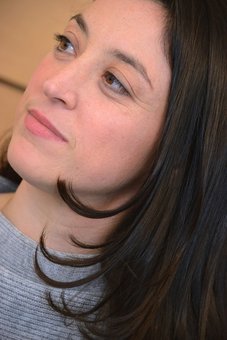 Abigail blends reporting, research, and history to create an international portrait of new motherhood and the policies that scaffold this transitional phase of life. As debates surrounding paid leave, universal daycare, and national healthcare rage on across different corners of the globe, FOUR MOTHERS is an intimate narrative of what those policies mean in the everyday lives of four women—and a compelling argument for the necessity and urgency of supporting parents.
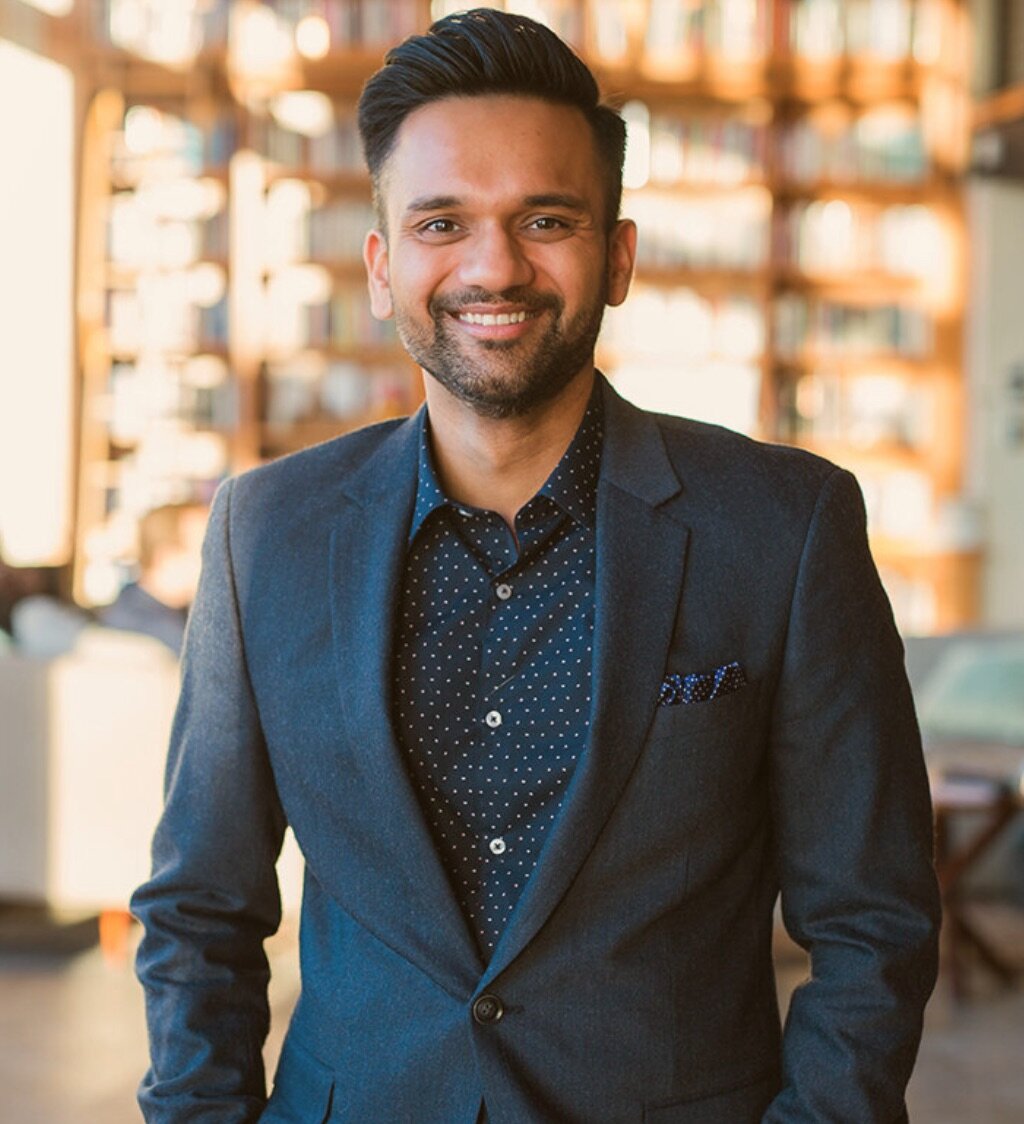 Growing up in India and the United States, and being a brown-skinned, cis-gendered, gay man with an Indian name, Anu has experienced different levels of bias, privilege, and prejudice in his life—ranging from the subtly stinging to the all-out violent—and he knows intimately the importance of breaking not only interpersonal bias, but our own internalized biases. Today, he is the founder of BE MORE with Anu, an organization that funds independent research on breaking bias and has provided anti-bias trainings to hundreds of companies around the world.
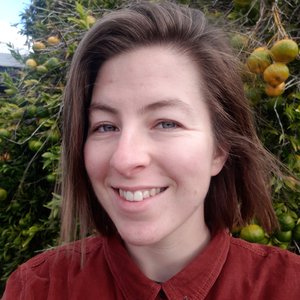 At night, as I stargazed from my tiny tent, I’d hear the primal whalesong roll up along the ocean floor and onto the beach where I lay. The ethereal melodies seeped through my shivering skin, like a relic of an ancient time. I felt as if I was eavesdropping across millennia, the sound stirring some faint genetic memory deep inside me.