
Propulsive and gripping, SALONIKA BURNING is a formidable work of historical fiction that illuminates not only the devastation of war but also the social upheaval of the times. It shows Gail Jones at the height of her powers.
SALONIKA BURNING
by Gail Jones
Text Publishing (Australia), November 2022
 How he wished to paint it. The razed city. The human drama. He saw the old forms broken, shaped in new alignments, the destructible world abstracted in splendid innovations…Already he understood the power of derangement, and how a single window might contain an entire fate.
Greece, 1917. The great city Salonika is ravaged by an enormous fire as Europe is engulfed by war. Amid the destruction, there are those who have come to the frontlines to heal: surgeons, ambulance drivers, nurses, orderlies and other volunteers. Four of these people—Olive, Grace, Stella and Stanley—are at the centre of Gail Jones’ extraordinary new novel, which takes its inspiration from the wartime experiences of Australians Miles Franklin and Olive King, and those of British painters Grace Pailthorpe and Stanley Spenser.
Gail Jones is one of Australia’s most celebrated writers. She is the author of two short-story collections and nine novels, and her work has been translated into several languages. She has received numerous literary awards, including the Prime Minister’s Literary Award, the Age Book of the Year, the South Australian Premier’s Award, the ALS Gold Medal and the Kibble Award, and has been shortlisted for the Miles Franklin Literary Award, the International Dublin Literary Award and the Prix Femina Étranger. Originally from Western Australia, she now lives in Sydney.
 Ana will never forget her mother’s face when she sent her and her baby brother, Oskar, out of their Polish ghetto and into the arms of a Christian friend. For Oskar, though, their new family is the only one he remembers. When a woman from a Jewish resettlement organization seizes them, claiming to have their best interest at heart, Ana sees an opportunity to reconnect with her roots, while Oskar sees only the loss of the home he loves. Roger grows up in a monastery in France, inventing stories and trading riddles with his best friend in a life of quiet concealment. When a Jewish aunt seeks to reclaim him, the Church steals him across the Pyrenees before relinquishing him to family in Jerusalem. Renata, a graduate student in archaeology, has spent her life unearthing secrets from the past—except for her own. After her mother’s death, Renata’s grief is entwined with all the questions her mother left unanswered, including why they fled Germany so quickly when Renata was a little girl. Two decades after the war, these characters are each building lives for themselves in Israel, trying to move on from the trauma and loss that haunts them. But as their stories converge in unexpected ways, they must ask where they truly belong. Beautifully evocative and tender, filled with both luminosity and anguish, ONCE WE WERE HOME illuminates a little-known history. Based on the true stories of children stolen during wartime, this heart-wrenching novel raises questions of complicity and responsibility, good intentions and unforeseen consequences, as it confronts what it really means to find home.
 Russia, 1812. The war with Napoleon is over, and Imperial Army Captain Aleksandr Nikolaevich is returning home to Tsarskoe Selo, the imperial summer palace, where Prince Felix, the tsar’s second son and Sasha’s sometime lover, holds court. But the reunion he planned goes awry when Sasha saves a woman lying unconscious in the snow and carries her into the palace, only to discover she’s not quite a woman at all.
 As a little girl raised amid the hardships of Michigan’s Copper Country, Fenna Vos learned to focus on her own survival. That ability sustains her even now as the Second World War rages in faraway countries. Though she performs onstage as the assistant to an unruly escape artist, behind the curtain she’s the mastermind of their act. Ultimately, controlling her surroundings and eluding traps of every kind helps her keep a lingering trauma at bay.
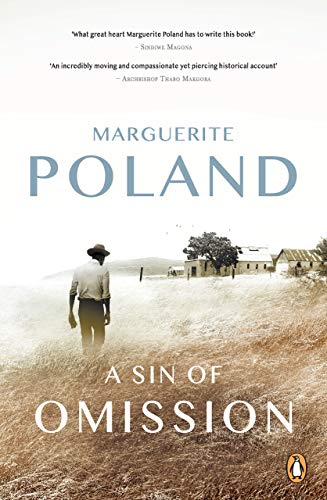 Torn from his parents as a small child in the 1870s, Stephen Mzamane is picked by the Anglican church to train at the Missionary College in Canterbury and then returned to southern Africa’s Cape Colony to be a preacher. He is a brilliant success, but troubles stalk him: his unresolved relationship with his family and people, the condescension of church leaders towards their own native pastors, and That Woman-seen once in a photograph and never forgotten. And now he has to find his mother and take her a message that will break her heart. Stephen’s journey to his mother’s home proves decisive in resolving the contradictions that tear at his heart.