
Acclaimed photographer George Steinmetz documents the awesome global effort that puts food on our tables and transforms the surface of the Earth.
FEED THE PLANET
A Photographic Journey to the World’s Food
Photographs by George Steinmetz; Text by Joel K. Bourne Jr.
Abrams, October 2024
 Do you know where your food comes from? To find out, photographer George Steinmetz spent a decade traveling to more than 36 countries, 24 US states, and 5 oceans documenting global food systems. In striking aerial images, he captures the massive scale of 21st–century agriculture that has sculpted 40 percent of the Earth’s landmass. He explores the farming of staples like wheat and rice, the cultivation of vegetables and fruits, fishing and aquaculture, and meat production, showing us both traditional farming in diverse cultures and vast agribusinesses that fuel international trade. From Kansas wheat fields to a shrimp cocktail’s origins in India to cattle stations in Australia larger than some countries, Steinmetz tracks the foods on the world’s tables back to land and sea, field and factory.
With text by veteran environmental journalist Joel K. Bourne Jr., Feed the Planet brings the impact of visual images, accompanied by clear explanations and accurate information, to one of humanity’s deepest needs, greatest pleasures, and most pressing challenges: Bringing nutritious and sustainably produced food to the Earth’s growing population.
George Steinmetz is an award–winning documentary photographer whose large–scale projects on pressing global issues have been published in National Geographic magazine, the New York Times, and many other leading publications. His books for Abrams include The Human Planet (2020), New York Air (2015), Desert Air (2012), Empty Quarter (2009), and African Air (2008). He lives in New Jersey with his wife, journalist Lisa Bannon.
Joel K. Bourne Jr. is an award–winning environmental journalist and the author of The End of Plenty: The Race to Feed a Crowded World (2015). He is a former Senior Editor for the Environment at National Geographic magazine, where he remains a frequent contributor covering agriculture, energy, and environmental issues around the globe. He lives with his family in Wilmington, North Carolina.
 Willow Feathers McBeaver, aka Detective Duck, is a crime-solving (and very precocious) little duck. She and her animal pals live on Dogwood Pond, a beautiful pond in New England adjacent to Lazy Days, a human campground. Dogwood Pond has always been a pristine spot with clear water, abundant wildlife, and shady willow trees, but now it is encountering puzzling problems—mysteries that arise from human-caused disruptions in nature, such as water pollution, refuse, warming climate, and human encroachment.
 For more than two decades, award-winning science and nature writer David Quammen has traveled to Earth’s most far-flung and fragile destinations, sending back field notes from places caught in the tension between humans and the wild. This illuminating book features 20 of those assignments: elegantly written narratives, originally published in
 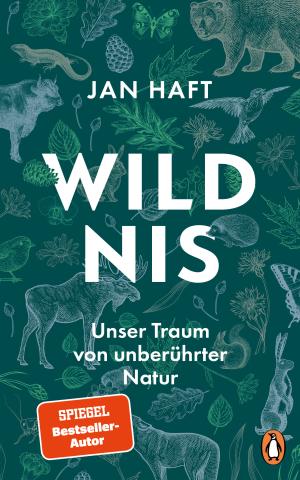 When we think of wilderness, we think of places like forests filled with an abundance of wild plants – landscapes that show no trace of human civilisation. After all, man and primordial nature are mutually exclusive. In fact, though, wilderness always implies a certain tug of war between different forces: wherever we disturb the balance, nature cannot take its course, and what remains isn’t wilderness, but an impoverished landscape – even if we leave nature to its own devices. Even now, the forests we once exploited contain just a fraction of the animals, plants and fungi that once existed there. Why is that? Biologist and filmmaker Haft examines flawed ideas, proposes a new way of conceiving of wilderness, and explains how – if we wanted to – we could easily and cheaply create new animal-friendly, sustainable and diverse landscapes.
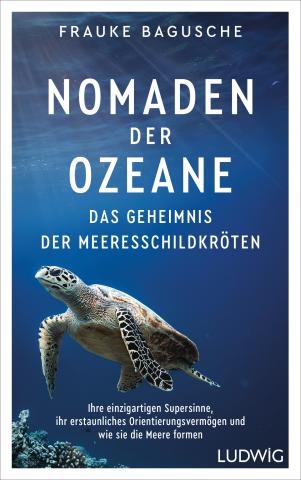 Turtles can do amazing things: some can dive to more than 1,000 metres, others transport organisms across the seas (and thus contribute to their distribution), others act as « architects of the oceans » by helping to spread coral reefs along the sea bed. All have impressive « super-senses », which mean they’re able to return to the beaches where they were born – often decades later, and from thousands of kilometres away. They orient themselves by the earth’s magnetic field, as well as their sense of smell, which allows them to recognise the scent of their first beach.