
A guide to “tiny t” trauma and how to overcome it so that we can thrive, not merely survive. Based on 20 years of professional research and practice, this book will change the way we look at, understand and deal with trauma, and the common problems that unresolved tiny t creates such as anxiety, perfectionism and low mood. Includes techniques and exercises for dealing with tiny t.
TINY T TRAUMAS:
Take Control of Your Past, Present and Your Future and Live the Life You Deserve
by Dr. Meg Arroll
HarperCollins UK, publication date TBD
(via Dorie Simmonds Agency)
 Do you feel just a bit crap, most of the time? We’re not talking major depression here but rather that constant underlying feeling of being underwater, struggling beneath the surface of life. It’s because of your tiny t – the small, everyday traumas that you’ve endured all your life which have led you to living on autopilot, slightly numb to the world. This book will show you how to come alive once again – and flourish, rather than languish, in a life less lived.
Mental health is now finally being recognised as having as important a part to play in our overall sense of well-being and understanding the role of tiny ts in our lives is crucial for mental well-being. Tiny t trauma happens to everyone, so the book is for anyone that feels they’re sleepwalking through life – or banging their head against life’s brick wall. This book will bring value to readers as it finally tells people why they feel so underwhelmed and under-fulfilled when nothing in particular is ‘wrong’. This is the hinterland in between mental wellness and illness, where you’re not quite symptomatic enough to receive a diagnosis or mental health care, but certainly aren’t flourishing or bossing life – all caused by small yet cumulative everyday traumas.
There are an inexhaustible tiny t traumas and everyone has their completely unique constellation of experiences and circumstances, so it can be difficult to express them clearly – it’s that tip of your tongue phenomenon where you know something’s not ok, but because we usually talk about mental health in terms of the Big T traumas such as abuse or critical early life trauma, we’re struggling for the words to even understand it. Tiny t is almost intangible and there’s a huge gap in the evidence base because of the way we conceptualise trauma – we look at the big, the bad and the ugly, not so much at the subtle, insidious and everyday that affects us all
Meg Arroll (PhD, CPsychol, CSci, AFBPsS, FHEA, MISCPAccred) started her career in academia, focusing on medically unexplained conditions that leave people feeling lost, neglected and at sea in a world of symptoms, stigma and pain. This passion for finding answers to questions that no doctors seem able to treat came from her own personal experience – which gives her that rare combination of subjective personal experience and objective professional skills. Her aim is to guide people through their journeys, so that they have the confidence to move forward independently.
 Anti-fatness is everywhere. In WHAT WE DON’T TALK ABOUT WHEN WE TALK ABOUT FAT, Aubrey Gordon unearths the cultural attitudes and social systems that have led to people being denied basic needs because they are fat and calls for social justice movements to be inclusive of plus-sized people’s experiences. Unlike the recent wave of memoirs and quasi self-help books that encourage readers to love and accept themselves, Gordon pushes the discussion further towards authentic fat activism, which includes ending legal weight discrimination, giving equal access to health care for large people, increased access to public spaces, and ending anti-fat violence. As she argues, “I did not come to body positivity for self-esteem. I came to it for social justice.”
 « I’ve seen the future of horror . . . and his name is Clive Barker. » In the mid-1980s, Stephen King inducted a young English novelist into the world of great genre writers, and since then, this genius creator has only continued to expand his field of activity. Created by his two most loyal collaborators, Phil and Sarah Stokes, CLIVE BARKER’S DARK WORLDS is the first book to shed light on the massive scope of Barker’s creative work. With the help of Barker himself, this book contains exclusive insight from those who have worked with him creatively and professionally, alongside analyses of his works and comments over four decades from industry contemporaries and friends such as Ramsey Campbell, Quentin Tarantino, Neil Gaiman, China Miéville, Peter Straub, Armistead Maupin, J.G. Ballard, Wes Craven, and many more.
 First breaking out into the international scene with festival-favorite
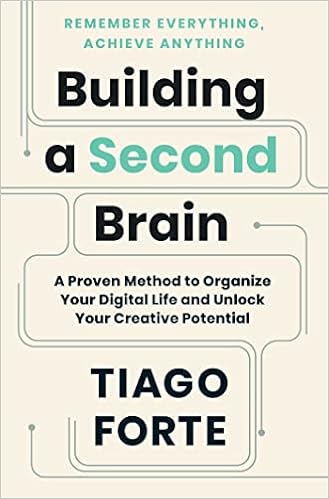 For the first time in history, we have instantaneous access to the world’s knowledge. There has never been a better time to learn, to contribute, and to improve ourselves. Yet, rather than feeling empowered, we are often left feeling overwhelmed by this constant influx of information. The very knowledge that was supposed to set us free has instead led to the paralyzing stress of believing we’ll never know or remember enough.