
With his trademark blend of trenchant observation and insightful analysis, in his first book, Liar’s Poker, Michael Lewis revealed the excesses of Wall Street; in The Big Short, he introduced us to the traders who bet against the market leading to the 2007-2008 financial crisis; in Moneyball he explained the statistical revolution in professional sports, and in his last book, The Fifth Risk, he took on the Trump administration. Now, in THE PREMONITION, he will expose the failure of that administration to handle the pandemic.
THE PREMONITION: A Pandemic Story
by Michael Lewis
Norton, May 2021
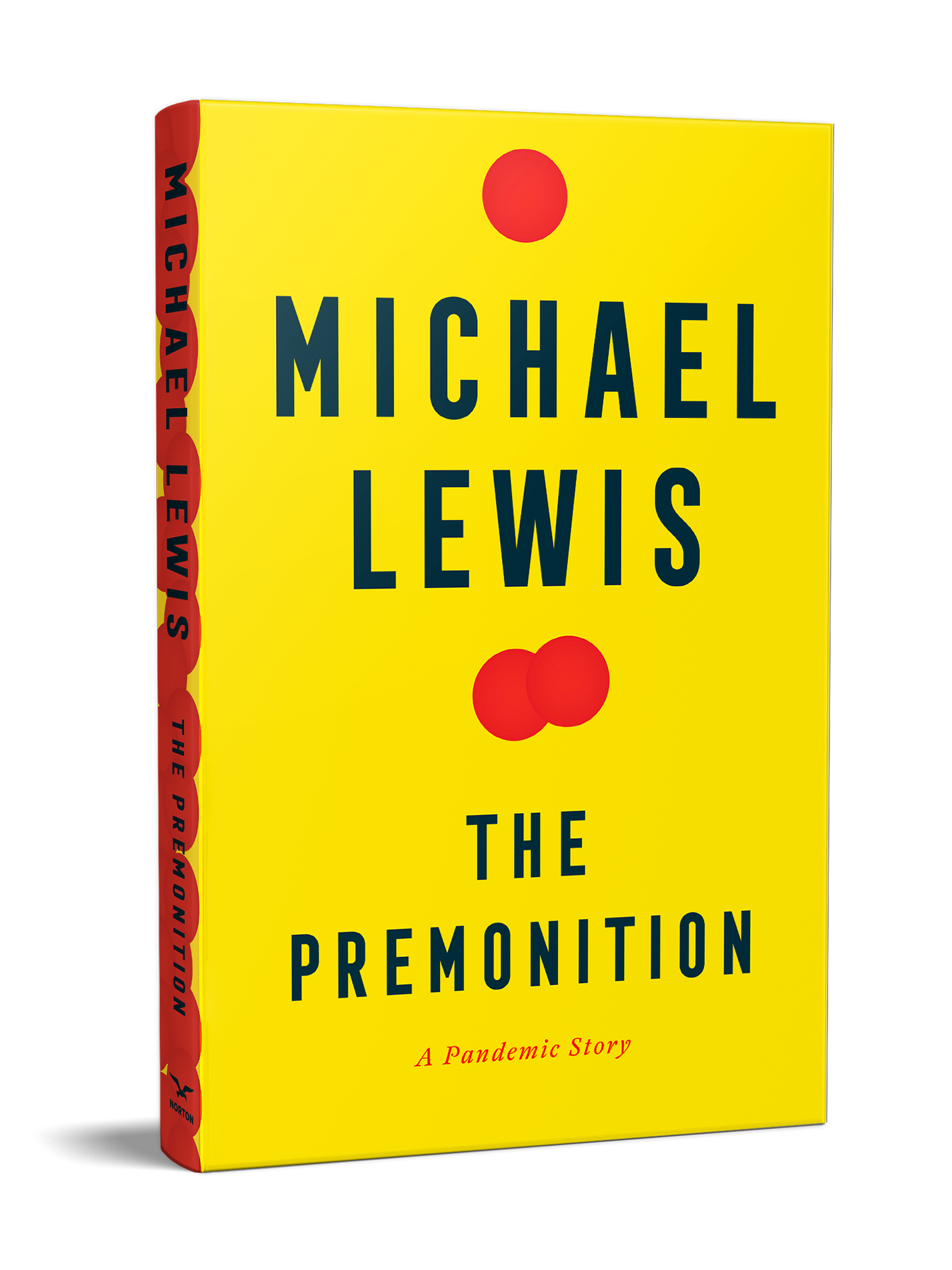 The news out of China was not good: there were signs that a new disease might be big―scary big, like a brushfire coming at you uphill. Authorities, medical and political, saw no reason to worry and little need for tests. Michael Lewis’s riveting nonfiction thriller pits a rogue band of visionaries, working under the radar, against the weight and disinterest of officialdom. It is a race against time, and the deadline is now… or yesterday.
Michael Lewis is the best-selling author of Liar’s Poker, Moneyball, The Blind Side, The Big Short, and The Undoing Project. He holds a bachelor’s degree in art history from Princeton and a master’s degree in economics from the London School of Economics. He lives in Berkeley, California, with his wife and three children.


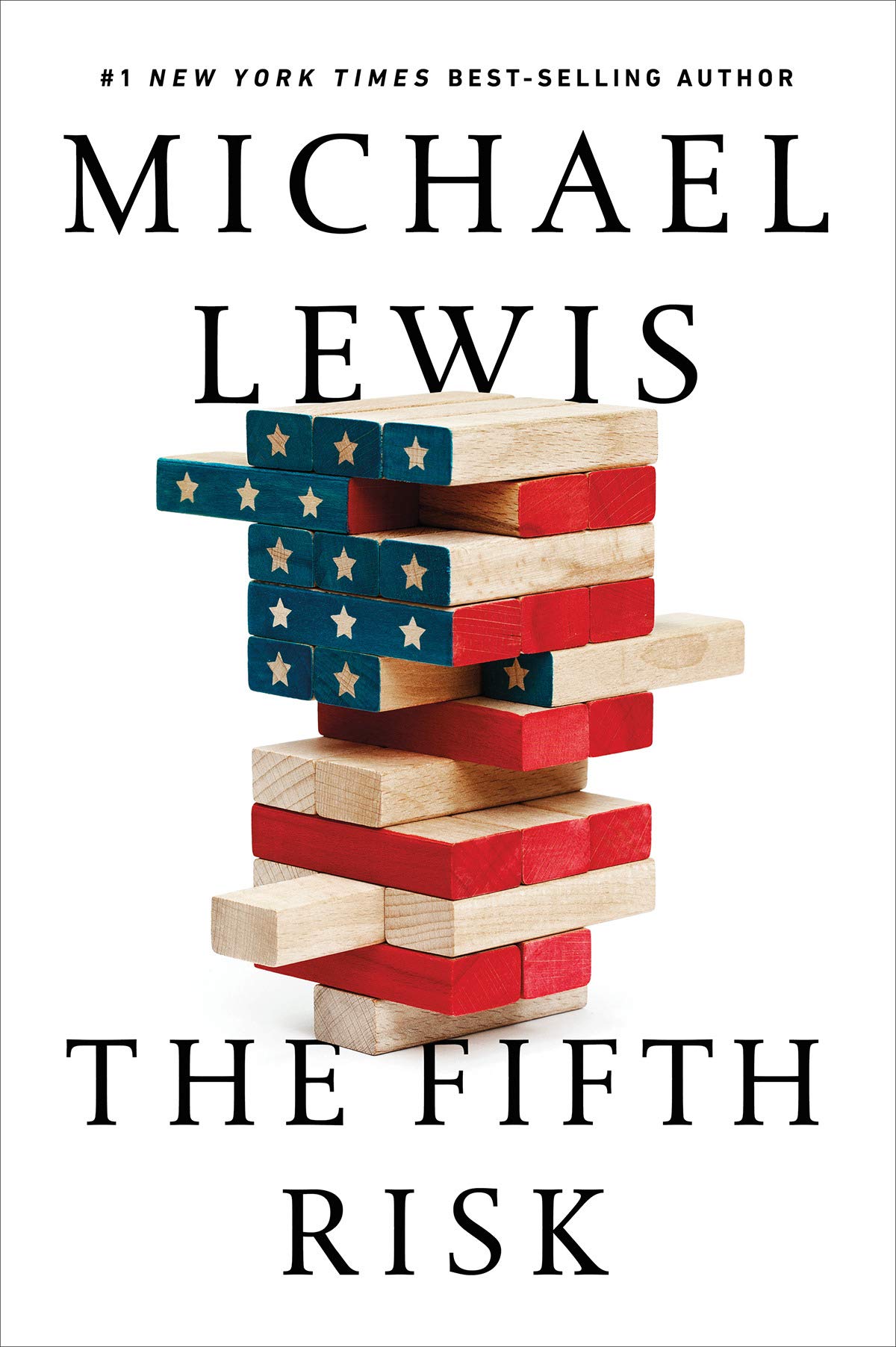 « The election happened, » remembers Elizabeth Sherwood-Randall, then deputy secretary of the Department of Energy. « And then there was radio silence. » Across all departments, similar stories were playing out: Trump appointees were few and far between; those that did show up were shockingly uninformed about the functions of their new workplace. Some even threw away the briefing books that had been prepared for them. Michael Lewis’s brilliant narrative takes us into the engine rooms of a government under attack by its own leaders. In Agriculture the funding of vital programs like food stamps and school lunches is being slashed. The Commerce Department may not have enough staff to conduct the 2020 Census properly. Over at Energy, where international nuclear risk is managed, it’s not clear there will be enough inspectors to track and locate black market uranium before terrorists do. Willful ignorance plays a role in these looming disasters. If your ambition is to maximize short-term gains without regard to the long-term cost, you are better off not knowing those costs. If you want to preserve your personal immunity to the hard problems, it’s better never to really understand those problems. There is upside to ignorance, and downside to knowledge. Knowledge makes life messier. It makes it a bit more difficult for a person who wishes to shrink the world to a worldview. If there are dangerous fools in this book, there are also heroes, unsung, of course. They are the linchpins of the system―those public servants whose knowledge, dedication, and proactivity keep the machinery running. Michael Lewis finds them, and he asks them what keeps them up at night.

