
They were eleven when they sent a killer to prison…but they were liars. This is a twisty, adult suspense debut from an author of novels for younger readers.
WHAT LIES IN THE WOODS
by Kate Alice Marshall
Flatiron/St. Martin’s Press, January 2023
 Twenty-two years ago, Naomi Shaw believed in magic. She and her two best friends, Cassidy and Olivia, spent that summer roaming the woods of Chester, Washington, imagining a world of ceremony and wonder—the Goddess Game. The summer ended suddenly, with Cass and Liv stumbling onto the road covered in blood. Naomi had been attacked, was nearly dead. But miraculously, Naomi survived her seventeen stab wounds, and lived to identify the man who had hurt her. The girls’ testimony put away a serial killer, wanted for murdering six women. They were heroes. And they were liars. The day she learns that Alan Michael Stahl has died in prison, Naomi gets a call from Olivia. For twenty-two years, the friends have kept a secret worth killing for: a skeleton in the woods that was the center of their rituals and imagined magic that summer. But now Olivia wants to tell, and Naomi is forced back to the town she’d escaped. When Olivia disappears, Naomi sets out to find out what really happened in the woods—no matter how dangerous the truth turns out to be. Naomi thought the Goddess Game was over. But it’s just beginning.
Kate Alice Marshall is the author of the young adult novels I Am Still Alive, Rules for Vanishing, and Our Last Echoes, as well as the Secrets of Eden Eld middle grade series. She lives outside of Seattle, where she spends her time playing board games, tending a chaotic vegetable garden, and wrangling dogs and children.
 Sometimes, a woman has to rescue herself
 Fame. Fortune. Love. You can’t have them all.
 Ana will never forget her mother’s face when she sent her and her baby brother, Oskar, out of their Polish ghetto and into the arms of a Christian friend. For Oskar, though, their new family is the only one he remembers. When a woman from a Jewish resettlement organization seizes them, claiming to have their best interest at heart, Ana sees an opportunity to reconnect with her roots, while Oskar sees only the loss of the home he loves. Roger grows up in a monastery in France, inventing stories and trading riddles with his best friend in a life of quiet concealment. When a Jewish aunt seeks to reclaim him, the Church steals him across the Pyrenees before relinquishing him to family in Jerusalem. Renata, a graduate student in archaeology, has spent her life unearthing secrets from the past—except for her own. After her mother’s death, Renata’s grief is entwined with all the questions her mother left unanswered, including why they fled Germany so quickly when Renata was a little girl. Two decades after the war, these characters are each building lives for themselves in Israel, trying to move on from the trauma and loss that haunts them. But as their stories converge in unexpected ways, they must ask where they truly belong. Beautifully evocative and tender, filled with both luminosity and anguish, ONCE WE WERE HOME illuminates a little-known history. Based on the true stories of children stolen during wartime, this heart-wrenching novel raises questions of complicity and responsibility, good intentions and unforeseen consequences, as it confronts what it really means to find home.
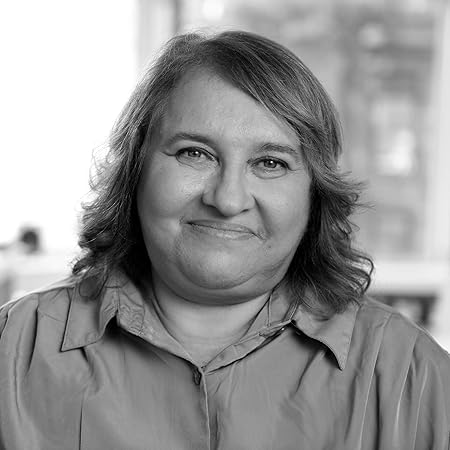 When confronted with pain and obstacles, we often shrink back out of fear and disappointment. But in REAL LIFE, Sharon Salzberg lets us know it doesn’t have to be that way. When we feel alone, cut off, or trapped, we can let those difficulties steer us onto a path toward an authentic, flourishing life—living in a way that allows us to find the wholeness that lies within. Even when we’re alone, a sense of community can accompany us through the stormy times. Our words, hearts, and actions can line up with a larger vision, rather than the smaller views our anxious, fearful thoughts arouse in us. To live in a less constricted way, Salzberg says, we need to get real about what’s most important, to ask ourselves, “What do I most deeply yearn for?” “What would I benefit from letting go of?” “What do I believe is possible for me?” By developing tools like mindful awareness, friendship and a greater sense of purpose, we can accomplish the journey to expansive freedom and live the life that speaks to our innermost longing to live free.