
With a new introduction, the groundbreaking classic RACE MATTERS affirms its position as the bestselling, most influential, and most original articulation of the urgent issues in America’s ongoing racial debate.
RACE MATTERS
by Cornel West
Beacon Press, 2001
 Cornel West is at the forefront of thinking about race. First published in 1993, on the one-year anniversary of the Los Angeles riots, RACE MATTERS became a national best seller that has gone on to sell more than half a million copies. West addresses a range of issues, from the crisis in black leadership and the myths surrounding black sexuality to affirmative action, the new black conservatism, and the strained relations between Jews and African Americans. He never hesitates to confront the prejudices of all his readers or wavers in his insistence that they share a common destiny. Bold in its thought and written with a redemptive passion grounded in the tradition of the African-American church, RACE MATTERS is a book that is at once challenging and deeply healing.
« [A] compelling blend of philosphy, sociology and political commentary…It directly takes on some of the most volatile issues facing American society today…One can only applaud the ferocious moral vision and astute intellect on display in these pages. » ̶̶ The New York Times
Cornel West is a prominent and provocative democratic intellectual. He graduated magna cum laude from Harvard University in three years and obtained his MA and PhD in philosophy at Princeton University. He has taught at Union Theological Seminary, Yale, Harvard, Princeton, and the University of Paris. He has written twenty books and edited thirteen, including including Keeping Faith, Prophetic Fragments, and, with bell hooks, Breaking Bread. He has been Professor of Religion and Director of Afro-American Studies at Princeton University since 1988, and was recently appointed Professor of Afro-American Studies and the Philosophy of Religion at Harvard University.
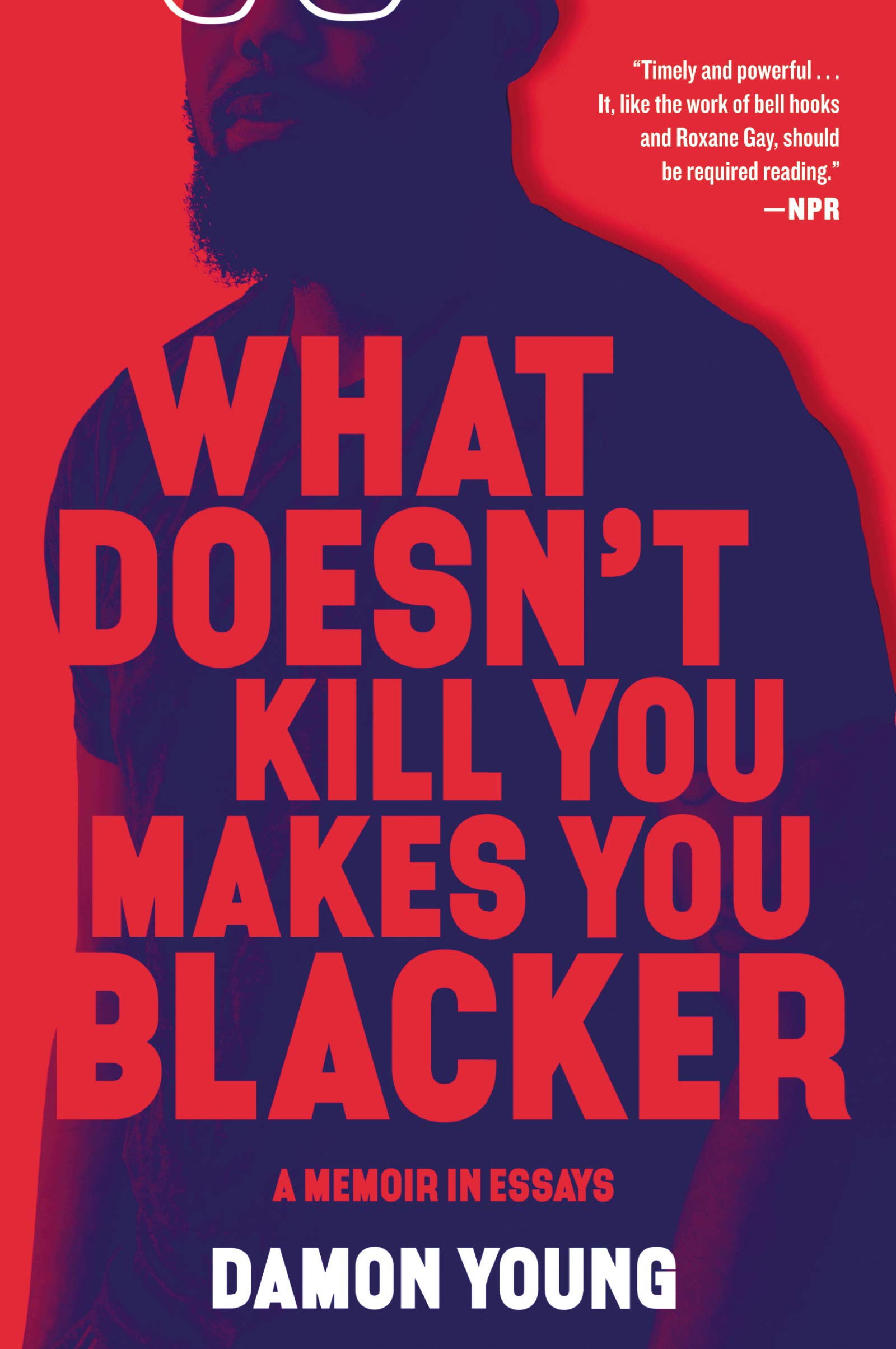 For Damon Young, existing while Black is an extreme sport. The act of possessing black skin while searching for space to breathe in America is enough to induce a ceaseless state of angst where questions such as “How should I react here, as a professional black person?” and “Will this white person’s potato salad kill me?” are forever relevant. WHAT DOESN’T KILL YOU MAKES YOU BLACKER chronicles Young’s efforts to survive while battling and making sense of the various neuroses his country has given him. It’s a condition that’s sometimes stretched to absurd limits, provoking the angst that made him question if he was any good at the “being straight” thing, as if his sexual orientation was something he could practice and get better at, like a crossover dribble move or knitting; creating the farce where, as a teen, he wished for a white person to call him a racial slur just so he could fight him and have a great story about it; and generating the surreality of watching gentrification transform his Pittsburgh neighborhood from predominantly Black to “Portlandia . . . but with Pierogies.” And, at its most devastating, it provides him reason to believe that his mother would be alive today if she were white. From one of our most respected cultural observers, WHAT DOESN’T KILL YOU MAKES YOU BLACKER is a hilarious and honest debut that is both a celebration of the idiosyncrasies and distinctions of Blackness and a critique of white supremacy and how we define masculinity.
 Anyone who has ever been told “You should speak up!” during a presentation at the office, a group project at school, or even a conversation among friends can attest to the misunderstanding at the heart of that demand. For those of us—women, people of color, immigrants, outsiders—who find it hard to speak up, the issue is not just about willpower. Many of us have internalized the same messages since birth: that because of the pitch of our voice, the accent we possess, or the slang we use, we will not be taken seriously. Power, we’re told, sounds like the mostly white, straight, wealthy men who wield it.
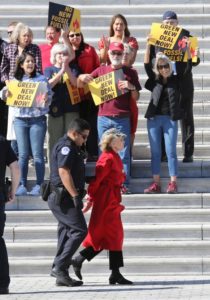 Since October 11th, Jane Fonda has been leading weekly Friday protests in Washington D.C. in her now iconic red coat, heeding the urgent call of young activists like Greta Thunberg to take fighting climate change to the streets. She and the Friday actions have gotten so much media attention, in part because of Jane’s unyielding commitment in the form of civil disobedience, in which other celebrities and growing crowds of activists have been inspired to participate.