
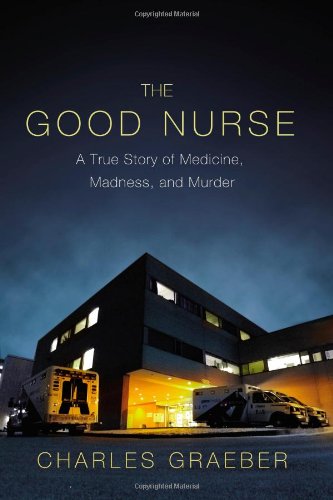
 THE GOOD NURSE: A True Story of Medicine, Madness, and Murder, publié chez Twelve en 2013, est un récit poignant par le journaliste Charles Graeber exposant les crimes épouvantables d’un des tueurs en série les plus prolifiques des États-Unis, Charlie Cullen. Époux, père de famille et infirmier expérimenté, sa compulsion secrète l’a impliqué dans la mort d’au moins 300 patients entre 1988 et 2003, répartis dans neuf hôpitaux du New Jersey et de Pennsylvanie.

Gregory Pace/Shutterstock/Vespa Pictures
Comme l’explique cet article de Deadline, le film raconte la poursuite et la capture de Charlie Cullen, qui a été possible grâce à l’enquête sans relâche de deux anciens officiers de la police criminelle de Newark dans le New Jersey, et à l’aide inestimable d’une infirmière et collègue de Cullen qui a tout risqué pour le faire tomber. Jessica Chastain et Eddie Redmayne interpréteront les rôles principaux. Le film sera réalisé par Tobias Lindholm et produit par la société de Darren Aronofsky, Protozoa, en partenariat avec FilmNation. La date de sortie n’a pas encore été annoncée.
Les droits de langue française de THE GOOD NURSE sont toujours disponibles.
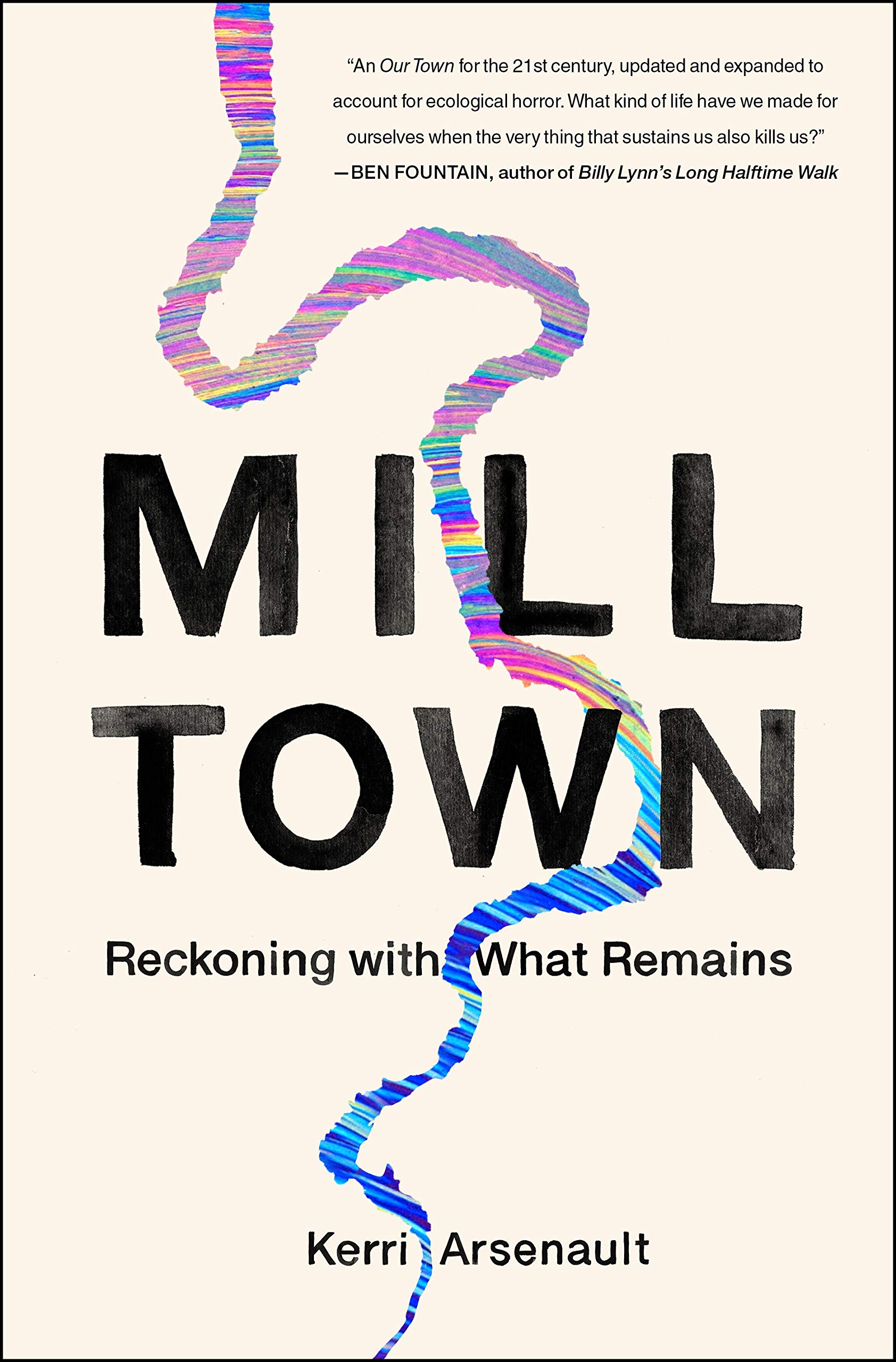 Kerri Arsenault grew up in the rural working class town of Mexico, Maine. For over 100 years the community orbited around a paper mill that employs most townspeople, including three generations of Arsenault’s own family. Years after she moved away, Arsenault realized the price she paid for that seemingly secure childhood. The mill, while providing livelihoods for nearly everyone, also contributed to the destruction of the environment and the decline of the town’s economic, moral, and emotional health in a slow-moving catastrophe, earning the area the nickname “Cancer Valley.” In Mill Town, Arsenault undertakes an excavation of a collective past, sifting through historical archives and scientific reports, talking to family and neighbors, and examining her own childhood to present a portrait of a community that illuminates not only the ruin of her hometown and the collapse of the working-class of America, but also the hazards of both living in and leaving home, and the silences we are all afraid to violate. In exquisite prose, Arsenault explores the corruption of bodies: the human body, bodies of water, and governmental bodies, and what it’s like to come from a place you love but doesn’t always love you back. A galvanizing and powerful debut,
  “
“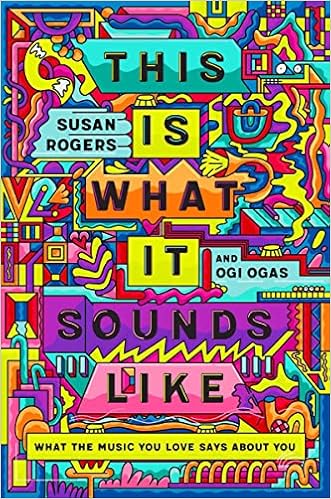 When you listen to music, do you prefer lyrics or melody? Intricate harmonies or driving rhythm? The “real” sounds of acoustic instruments or those of computerized synthesizers? Drawing from her successful career as a music producer (engineering hits like Prince’s “Purple Rain”), professor of cognitive neuroscience Susan Rogers reveals why your favorite songs move you. She explains that we each possess a unique “listener profile” based on our brain’s reaction to seven key dimensions of any record: authenticity, realism, novelty, melody, lyrics, rhythm, and timbre. Exploring this profile will deepen your connection to music, refresh your playlists, and uncover aspects of your personality. Rogers takes us behind the scenes of record-making, using her insider’s ear to illuminate the music of Prince, Frank Sinatra, Lana Del Rey, and many others. Told in a lively, inclusive style, this book will change the way you listen to music.
 Stephanie Foo was an accomplished journalist, a producer at