
At once tender, startling, and deeply funny, JONATHAN ABERNATHY YOU ARE KIND is a gimlet-eyed reckoning with late-stage capitalism, a brilliant, ferocious novel for readers of Paul Beatty’s The Sellout and Patricia Lockwood’s No One Is Talking About This.
JONATHAN ABERNATHY YOU ARE KIND
by Molly McGhee
Atra, Fall 2023
(via Sterling Lord Literistic)
 Jonathan Abernathy is screwed. Jobless, behind on his student loan payments, and a self-declared failure, the only thing Abernathy has in abundance is debt. When a government loan forgiveness program offers him a job he can do literally in his sleep, he thinks he’s found his big break. That is, until he finds himself auditing the dreams of white collar workers, flagging their anxieties and preoccupations for removal.
As Abernathy finds his footing in this new role, reality and morality begin to warp around him. Soon, the lines between life and work, love and hate, right and wrong, even sleep and consciousness, have blurred.
“Molly McGhee reminds me of absolutely no one. Here’s an original mind brimming over with invention and comic ferocity and a new world sensibility that serves to remind us what good hands the future of literature is in. I am hugely excited for everyone to read this mad, hilarious writer.” —Ben Marcus, Guggenheim Fellow and author of The Flame Alphabet
Molly McGhee is from a cluster of unincorporated towns outside of Nashville, Tennessee. She completed her M.F.A. in fiction at Columbia University, where, in addition to receiving a Chair’s Fellowship, she taught in the undergraduate creative writing department. She has worked in the editorial departments of McSweeney’s, The Believer, NOON, Farrar, Straus and Giroux, and Tor. Currently living in Brooklyn, her work has appeared in The Paris Review.
 Sixteen-year-old Odile Ozanne is an awkward, quiet girl, vying for a coveted seat on the Conseil. If she earns the position, she’ll decree who among the town’s residents may be escorted deep into the woods, who may cross the border’s barbed wire fence, who may make the arduous trek to descend into the next valley over. It’s the same valley, the same town. But to the east, the town is twenty years ahead in time. To the west, it’s twenty years behind. The only border crossings permitted by the Conseil are mourning tours: furtive viewings of the dead in towns where the dead are still alive.
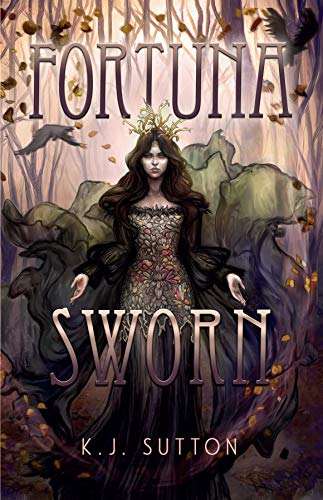 We were meant to be seductive. We were designed to lure humans in.
 As the speed of change in our increasingly complex world accelerates daily, leaders are tasked with performing outside of their familiar zones both in their personal and professional lives. This requires us to adapt. Yet, the same conditions that make adapting so important can also trigger fear, leading us to resist change and default to reactive behavior. The authors call this the “adaptability paradox”: when we most need to learn and change, we stick with what we know, often in ways that stifle learning and innovation. To avoid this trap, leaders must become proactive so they can lead ahead of the curve.
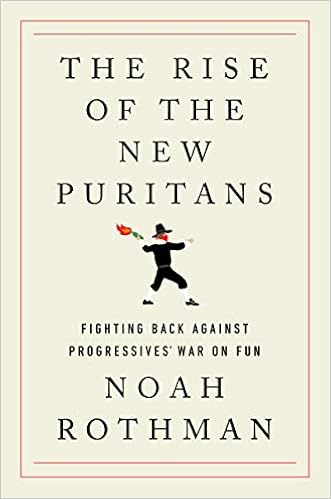 In Noah Rothman’s view, the Left used to be the party of the hippies and the free spirits. Now it’s home to woke scolds and humorless idealogues. The New Puritans can judge a person’s moral character by their clothes, Netflix queue, fast food favorites, the sports they watch, and the company they keep. No choice is neutral, no sphere is private.