
A journalist takes readers into the science and history of intermittent fasting, an ancient practice in the middle of a red-hot resurgence, exploring the body’s power to heal itself.
THE OLDEST CURE IN THE WORLD:
Adventures in the Art and Science of Fasting
by Steve Hendricks
Abrams Press, September 2022
 One in ten American adults tried intermittent fasting last year, and they may be on to something. The latest research shows that fasting repairs cellular damage, improves the outcomes for chemotherapy patients, and helps with keeping a healthy weight—leading to fasting’s resurgence in recent years.
Journalist Steve Hendricks’s THE OLDEST CURE IN THE WORLD tells the history of fasting—from the ancient world (Jesus treated an epileptic with fasting) to its rediscovery centuries later, thanks in part to a heartbroken doctor who resolved to starve himself to death only to find renewed vigor and become a media celebrity in the process. Hendricks introduces us to the people who are reviving this long-lost remedy, including open-minded doctors who have explored and practiced fasting despite the medical establishment’s resistance over the centuries and everyday people eager for a cure to what ails them.
THE OLDEST CURE IN THE WORLD is a smart, narrative look at a very hot topic, offering a fascinating look at the science behind the counterintuitive concept of going without food for our health, and chronicling the author’s own illuminating and entertaining forays into fasting.
Steve Hendricks is a freelance reporter and the author of two previous books, A Kidnapping in Milan and The Unquiet Grave. He has written for Harpers, Slate, Salon, Outside, the Columbia Journalism Review, and The New Republic, among others. He was raised in Arkansas and Texas, educated at Yale, and lives in Boulder, Colorado, with his wife, a law professor, and a teenage son.
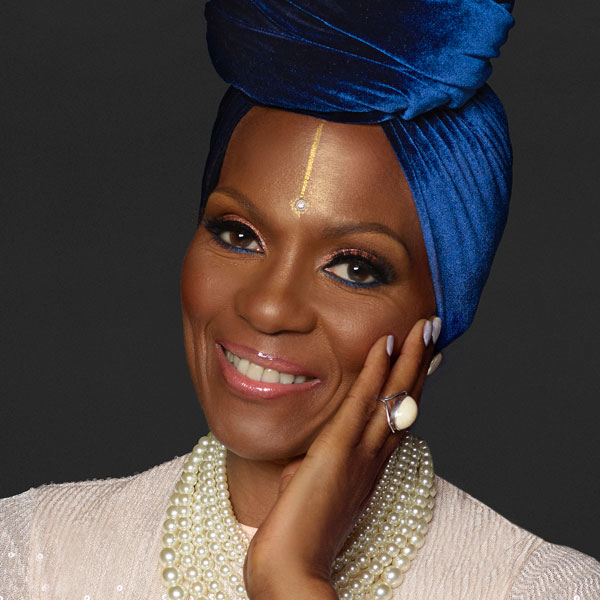 A perfect accompaniment and extension to the recently Updated & Expanded 20th Anniversary Edition of the enduring classic, THE SACRED WOMAN JOURNAL is a rich expansion of her self-published healing journal, featuring quotes, mantras, meditations, and prayers to inspire a reader’s journey through twelve healing gateways. Over a 12-week period, this guided journal will provide a tailored canvas of profound possibilities, revelations, visions, and lessons learned, and offer a road map to self-enlightenment in a time when we could all use a little more direction.
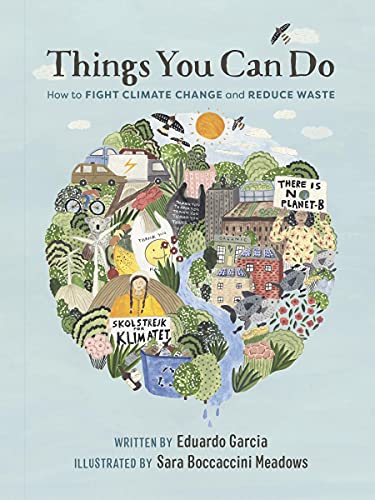 Award-winning climate journalist Eduardo Garcia offers a deeply researched and user-friendly guide to the things we can do every day to fight climate change. Based on his popular New York Times column “One Thing You Can Do,” this fully illustrated book proposes simple solutions for an overwhelming problem. No lectures here—just accessible and inspiring ideas to slash emissions and waste in our daily lives, with over 350 explanatory illustrations by talented painter Sara Boccaccini Meadows.
 In the Victorian language of flowers, hundreds of blooms were ascribed specific meanings based on mythology, science, foreign language, and ancient history. Page through this botanical encyclopedia to learn each flower’s Victorian meaning (blackberry, for example, represents « envy » while ranunculus boldly states, « I am dazzled by your charms »), other common names for the bloom, and read about each flower’s cultural history. There is also an index of the flowers grouped by theme, should you want to challenge your local florist with creating a coded message for a loved one.
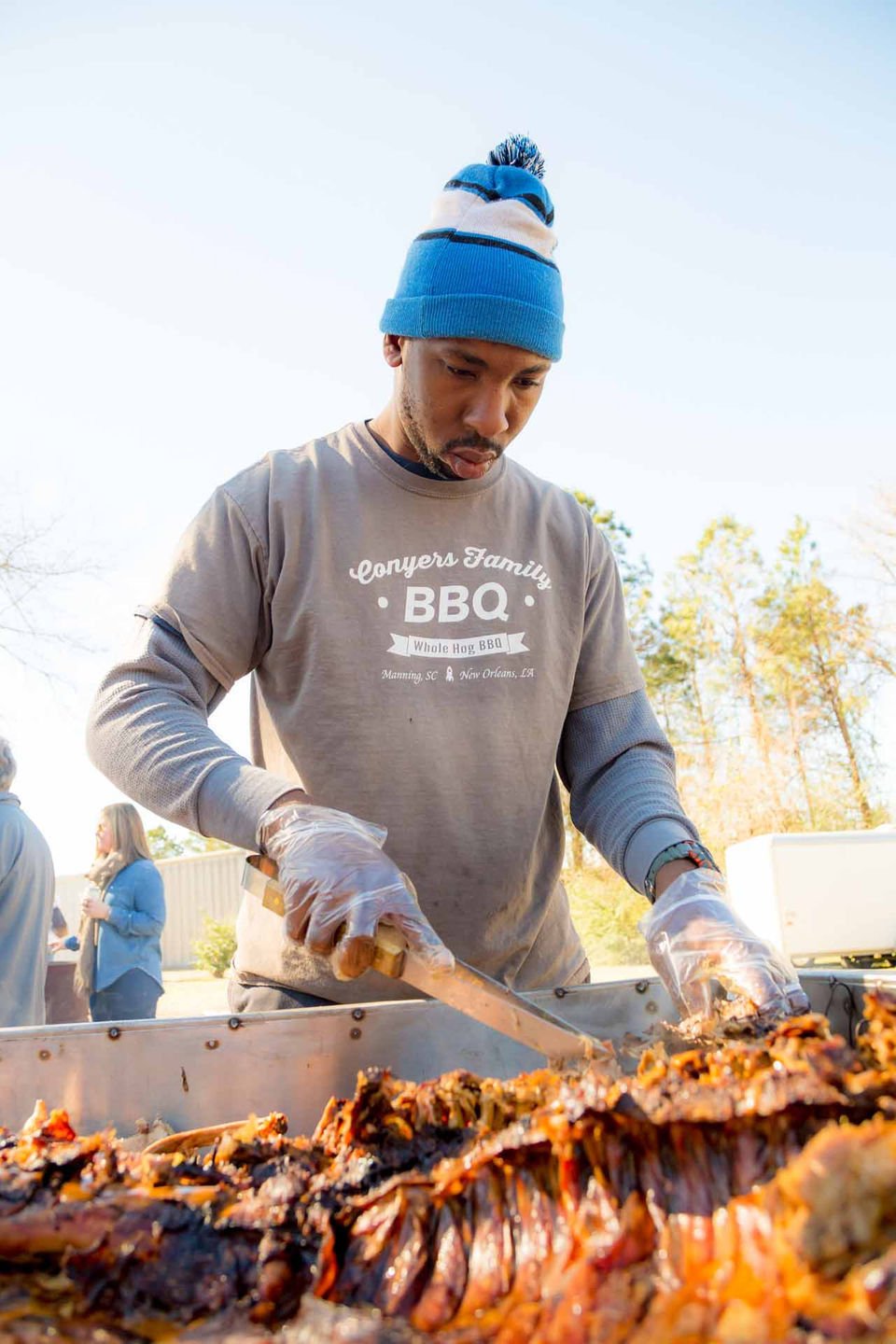 The descendant of farmers and barbecuing masters, Dr. Howard Conyers is a structural dynamicist at NASA by day and a preserver of barbecue history after hours. In THE UNTOLD STORY OF UNITED STATES’ BARBECUE, Dr. Conyers details the real and complete history of barbecue in America, tracing its roots back to the enslaved people who are believed to have brought the practice to the American South to today’s Black experts all across the country. Dr. Conyers shares oral histories and photographs from Black whole-animal barbecue cooks from across the South and describes the traditional methods of roasting hogs and other animals over pits in the ground—a practice that dates back well over 400 years. The history of Black barbecue has never before been fully documented by someone born into the craft, who has uncovered and pieced together the fascinating first-person narratives that finally tell the complete cultural story.