
Prize-winning author Clint Smith visits World War II sites around the world alongside survivors, descendants, and residents who have a particular relationship to each place, largely focusing on the experiences of groups of people whose stories often sit at the peripheries of the conflict’s dominant narrative, giving an intimate account of their lived experiences during the war.
JUST BENEATH THE SOIL
by Clint Smith
Random House, publication date TBD
(via The Gernert Company)
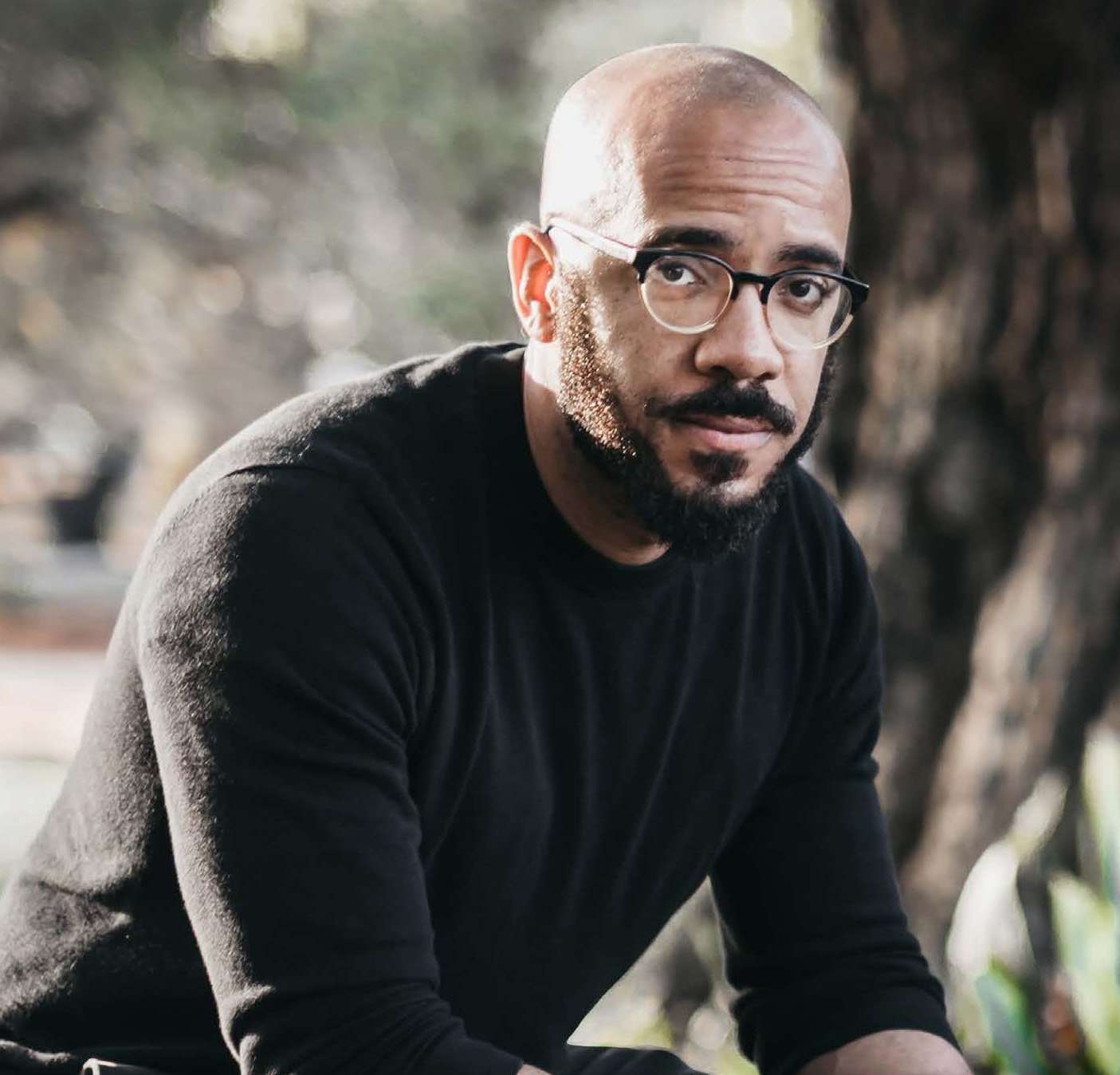
Photo by Carletta Girma
Clint Smith is a singular, once-in-a-generation talent. From the universal critical acclaim of his bestselling debut How The Word Is Passed to his widely read and influential articles at The Atlantic, each new piece of Clint’s writing transforms stories from our past into resonant living history. JUST BENEATH THE SOIL is the next step in Clint’s journey towards a fuller exploration of public memory.
In JUST BENEATH THE SOIL, Clint Smith trains his expert eye on a new time period: World War II. With his poetic, effortless prose, he brings us along as he interrogates what it means to have an “American perspective” on the most consequential and brutal global event of the past century. He spends time with one of the last Navajo Code Talkers, also a survivor of the infamous boarding schools for Native children. He sits with the still-living Korean “comfort women” who were subjected to sexual slavery at the hands of the Japanese military. He remembers his great uncle, a Black American veteran who signed up to fight for a country that subjected him to racial terror. He asks, why do we lift Germany up as an exemplar of remembrance for their willingness to build memorials, monuments, and museums dedicated to the Holocaust? And should we? Weaving together his powerful personal ethos, historical analysis, and cultural criticism, JUST BENEATH THE SOIL reveals that our history is not, in fact, buried deep, and instead lies just below our feet.
With his nuanced and thoughtful determination to look at the painful past that is his hallmark, Clint Smith unveils a new way to consider the history of World War II–in a Du Boisian spirit and tradition. Clint will take a global history and make it personal. He will also be the first Black author of a history of World War II not specifically about the experiences of Black people and soldiers during the war.
And as with everything he writes, accessibility to a broad audience and intellectual rigor are his goal. Clint puts it best: “I wrote it for the 15-year-old version of myself. This book represents a new way of thinking about the greatest conflict of the past century, and provides new eyes through which we might collectively understand it.”
Clint Smith is a staff writer at The Atlantic. He is the author of How the Word Is Passed: A Reckoning With the History of Slavery Across America, which was a #1 New York Times bestseller, winner of the National Book Critics Circle Award for Nonfiction, the Hillman Prize for Book Journalism, the Stowe Prize, the Dayton Literary Peace Prize, and selected by the New York Times as one of the 10 Best Books of 2021. He is also the author of Counting Descent, which won the 2017 Literary Award for Best Poetry Book from the Black Caucus of the American Library Association and was a finalist for an NAACP Image Award.
 In her memoir, poet Maggie Smith explores the disintegration of her marriage and her renewed commitment to herself. The book begins with one woman’s personal heartbreak, but its circles widen into a reckoning with contemporary womanhood, traditional gender roles, and the power dynamics that persist even in many progressive homes. With the spirit of self-inquiry and empathy she’s known for, Smith interweaves snapshots of a life with meditations on secrets, anger, forgiveness, and narrative itself. The power of these pieces is cumulative: page after page, they build into a larger interrogation of family, work, and patriarchy.
 September 29, 1913: the steamship
 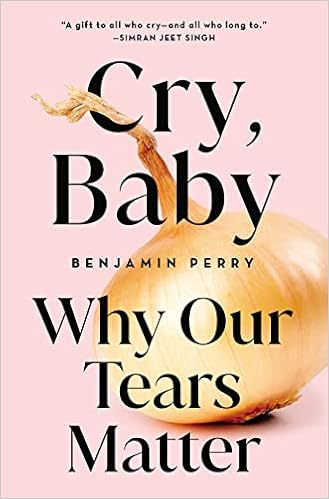 One of our most private acts, weeping can forge connection. Tears may obscure our vision, but they can also bring great clarity. And in both literature and life, weeping often opens a door to transformation or even resurrection. But many of us have been taught to suppress our emotions and hide our tears. When writer Benjamin Perry realized he hadn’t cried in more than ten years, he undertook an experiment: to cry every day. But he didn’t anticipate how tears would bring him into deeper relationship with a world that’s breaking.
 Most people want something in their life to change, whether it’s their job, their personal relationships, or their ability to live authentically. And sometimes, unwanted change comes all too swiftly. In THE ONLY CONSTANT, celebrated author and educator Najwa Zebian guides her readers through the changes we must make (or those we need to endure) on the journey to our most authentic lives. She quiets the noise, teaches us to accept ourselves as we are now, and focuses on the necessity and beauty of those messy transitional times.